Metal Powder Works reports $12.38 million loss and 40% revenue growth in FY2026

Metal Powder Works Limited reported a doubling of its annual loss to $12.38 million despite a 40% revenue increase, while fast-tracking its production capacity to 800 metric tonnes by mid-2027.
- Loss after tax doubles to $12.38 million
- Revenue rises 40% to $469,324
- Customer base grows to 100 active clients
- Accelerated capacity expansion to 800MT by 1H 2027
- Winding down K-TIG welding segment

Losses Surge Amid Commercial Build-Out
Metal Powder Works Limited (ASX:MPW) has posted a $12.38 million loss after tax for the year ended 30 June 2026, doubling the $6.19 million loss recorded the previous year. This comes despite a 40% increase in revenue to $469,324, reflecting a company in investment and scale-up mode rather than profitability.
The widening loss is largely attributable to significant share-based payments expense of $3.53 million, increased corporate costs, and a strategic restructuring of sales operations. The company’s cash position improved to $10.5 million, bolstered by a $15 million capital raising in September 2025, which underpins its growth ambitions.
Scaling Production and Expanding Market Reach
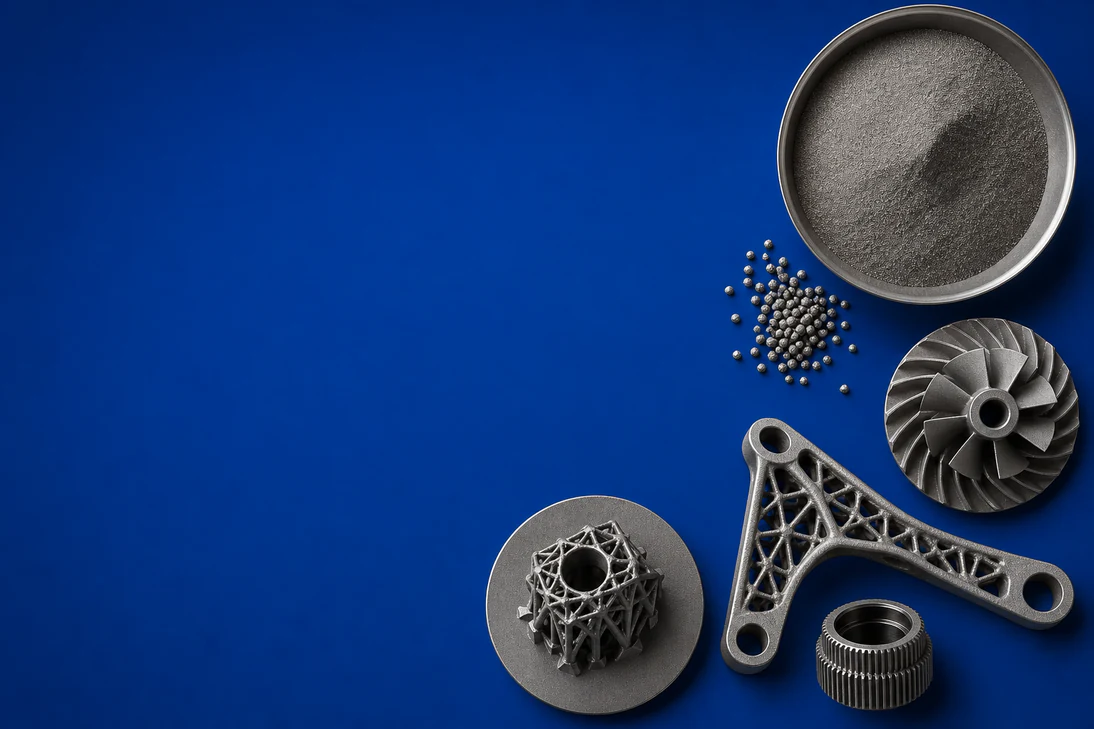
MPW is focused on scaling its patented DirectPowder™ technology, which produces tailored metal powders for additive manufacturing, defence, aerospace, and nuclear sectors. The company ended FY2026 with 100 active customers and a materially larger sales pipeline, reflecting broadening demand across multiple alloy programs.
Operational capacity has surged with installed production capacity reaching 28 tonnes per annum (tpa) across existing Alpha units. More notably, the first Next Gen #1 production unit was proven at 100 tpa and entered service in July 2026, designed to deliver a 25-fold output increase relative to Alpha systems. This underpins MPW’s accelerated target of 800 tpa capacity by the first half of calendar year 2027, brought forward from 2028 and funded from existing cash reserves.
Strategic Partnerships and Defence Contracts
MPW has deepened its strategic footprint, securing a follow-on contract with Westinghouse Electric Company to advance nuclear-grade powder optimisation. The company also secured its first NATO defence contract under the UK Ministry of Defence’s Project TAMPA, supplying titanium components manufactured via its integrated powder production and additive manufacturing capabilities.
Further partnerships include agreements with CenterLine for cold spray applications, Jet Metals for copper powders in the press and sinter market, and Titomic for maritime applications. These collaborations open routes to market across additive manufacturing, powder metallurgy, and defence sectors.
Winding Down K-TIG Welding Operations
As part of its strategic focus, MPW is winding down its K-TIG welding technology segment, which has been classified as a discontinued operation. The segment’s inventory was written down to nil, and the wind-down is expected to complete during FY2027 without material further expenditure.
Leadership and Governance Updates
The company appointed Dr Ahmed El Desouky as Chief Operating Officer post-year end, signaling a bolstered executive team to support the next phase of growth. The board continues to oversee a significant transformation, balancing commercial expansion with operational scaling and cost management.
MPW’s financial statements were audited with an unmodified opinion, confirming the integrity of the reported results and disclosures.
Bottom Line?
MPW’s accelerated capacity expansion and growing customer base position it for potential growth, but the doubled loss and ongoing restructuring highlight execution risks ahead.
Questions in the middle?
- How effectively will MPW convert its expanded sales pipeline into revenue?
- What impact will the wind-down of K-TIG operations have on overall profitability and cash flow?
- Can the company sustain its accelerated production ramp-up without further capital raises?