Nanoveu Secures US Patent for AI Object Detection Hardware Accelerator

Nanoveu's EMASS division has been granted a US patent for a silicon accelerator that dramatically speeds up AI object detection, underpinning its next-gen ECS-DoT chip now in production at TSMC.
- US Patent No. 12,651,452 B2 granted for dedicated AI object detection silicon
- Patent exclusively licensed to Nanoveu’s EMASS division
- Hardware module boosts speed and energy efficiency over software methods
- Next-gen 16nm ECS-DoT chip incorporating the technology entered fabrication in January 2026
- Further patent filings planned across voice, motion, and sensor fusion workloads

US Patent Grants Edge AI Hardware Breakthrough
Nanoveu Limited (ASX:NVU) has clinched a significant intellectual property win with the US Patent and Trademark Office granting Patent No. 12,651,452 B2. This patent covers a dedicated silicon accelerator for non-maximum suppression (NMS), a crucial final step in AI object detection pipelines. Traditionally handled in software, NMS is a notorious bottleneck that consumes disproportionate processing time and energy.
The patented hardware approach, exclusively licensed to Nanoveu’s ultra-low-power semiconductor arm EMASS, offloads this task to a purpose-built silicon module. Peer-reviewed research cited in the patent shows speed improvements up to 75 times compared to software implementations and over 13 times faster than prior hardware accelerators, all while maintaining detection accuracy at full-HD resolutions.
ECS-DoT Chip Embeds Patent Technology
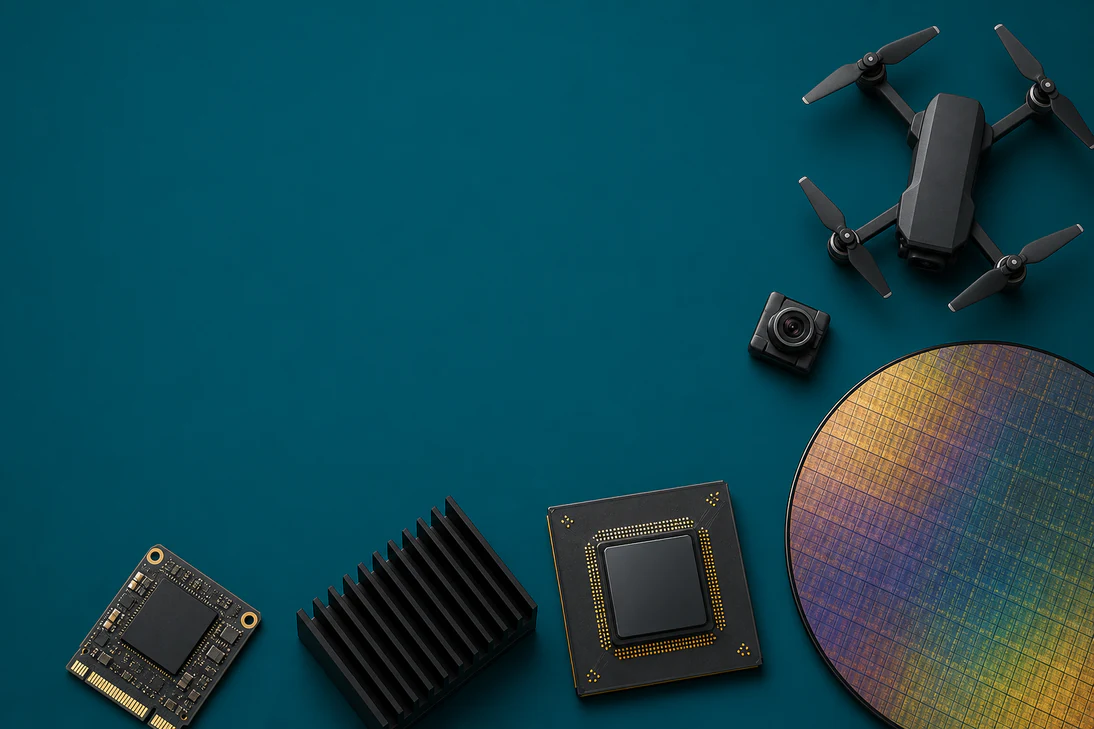
This innovation is embedded in the next-generation 16nm ECS-DoT system-on-chip, which began fabrication at TSMC in January 2026. ECS-DoT targets always-on edge AI applications that demand ultra-low power consumption, such as smart cameras, wearables, drones, and automotive sensors. Efficient object detection at the silicon level is critical to making these devices practical for battery-powered operation.
EMASS founder Dr Mohamed Sabry, who co-invented the patented technology while at Nanyang Technological University, emphasised the importance of hardware-accelerated NMS for power-efficient edge vision. The exclusive licence ensures EMASS controls this key mechanism as it advances its silicon roadmap.
Expanding Patent Portfolio Across AI Workloads
The patent grant is one piece of a broader intellectual property strategy. Nanoveu plans further filings covering voice recognition, motion sensing, and sensor fusion workloads. These complement previously announced patents targeting drone energy optimisation and flight control technologies, areas critical to EMASS’s and Nanoveu’s ambitions in autonomous systems and robotics.
These developments align with Nanoveu’s recent progress in drone efficiency and AI chip fabrication, which have been highlighted in the company’s latest operational updates. The integration of proprietary silicon with drone platforms acquired through Spinoff Robotics is expected to accelerate commercialisation in defence and industrial sectors.
Bottom Line?
Nanoveu’s patent grant solidifies its edge AI silicon credentials, but the commercial payoff hinges on successful integration and market adoption of its ECS-DoT platform.
Questions in the middle?
- How quickly will Nanoveu translate this patent into revenue-generating products?
- What competitive advantages does hardware-accelerated NMS confer against rival AI chip makers?
- Will upcoming patent filings across voice and sensor fusion broaden EMASS’s market reach effectively?