PolarX Discovers Broad Massive Sulphides Outside Caribou Dome Resource

PolarX Limited has intersected significant massive sulphide copper mineralisation in new zones approximately 60m west of the existing Caribou Dome resource in Alaska, potentially expanding the known deposit. Drilling by the Alaska Range Joint Venture with Northern Star continues, with assays expected in October 2026.
- Two drill holes hit broad massive sulphides with visible chalcopyrite
- New mineralisation styles suggest potential feeder zones
- Drilling campaign fully funded by Northern Star with 17 holes completed
- Resource extensions remain open at depth and along strike
- Assay results pending, expected October 2026
 Add us as a preferred source on Google
Significant Massive Sulphide Zones Discovered West of Caribou Dome Resource
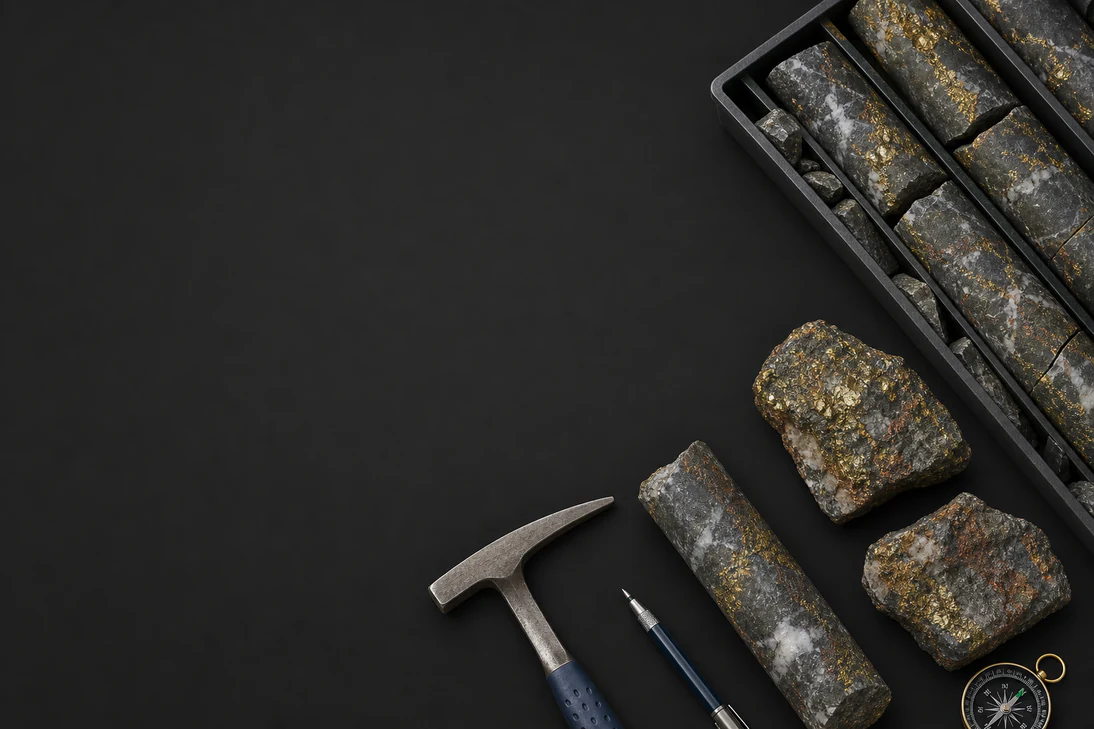
PolarX Limited (ASX:PXX) has reported visually significant intersections of massive sulphide copper mineralisation in two drill holes at its Caribou Dome Copper Project, part of the Alaska Range Joint Venture with Northern Star Resources. The holes, CD26-009 and CD26-013, are located roughly 60 metres west of the current resource boundary and have revealed broad zones of massive and semi-massive sulphides with visible chalcopyrite, a primary copper mineral.
Hole CD26-009 intersected a 57.5-metre interval of massive to semi-massive sulphides, while CD26-013 hit five separate zones totalling 35.4 metres. Both holes drilled through previously unidentified overthrust units, suggesting the discovery of new mineralised domains beyond the established resource footprint. These findings could materially increase the current mineral resource estimate once assays are received and validated.
New Mineralisation Styles Indicate Potential Feeder Zones
The drilling campaign has also uncovered mineralisation styles not previously documented at Caribou Dome. Notably, copper sulphide replacement of hydrothermal breccia clasts was observed, which PolarX interprets as evidence of feeder zones to the copper system. These breccia zones, characterized by chalcopyrite and pyrite laminations within calcareous shale, may represent critical pathways for mineralising fluids, enhancing the geological model and exploration potential of the project.
Ongoing drilling in this western extension zone aims to delineate the geometry and true thickness of mineralisation, which remains open both at depth and along strike to the west. The campaign has completed 17 holes totalling 4,980 metres, with approximately 2,000 metres of drilling still planned before the end of September. All assay results are anticipated in October 2026.
Joint Venture Backed by Northern Star Continues to Fund Exploration
The Alaska Range Joint Venture, where Northern Star can earn up to 70% interest through staged cash contributions, has fully funded the 2026 drilling campaign. Northern Star has already contributed US$6 million for the second year of exploration, supporting the ongoing work at Caribou Dome and other project areas within the Alaska Range Project.
PolarX holds a 60% beneficial interest in the Caribou Dome Project, which forms part of a broader portfolio including the Stellar and Senator Projects. The Alaska Range Project benefits from strong infrastructure, including road access via the Denali Highway and a purpose-built road to historic underground workings.
Robust Resource Base and Positive Economics Underpin Project Value
Caribou Dome hosts a JORC-compliant resource of 7.2 million tonnes grading 3.1% copper, with the deposit remaining open at depth beyond the current 300-metre resource limit. The broader Alaska Range Project resource totals 11.2 million tonnes with significant contained copper, gold, and silver.
PolarX’s 2024 scoping study projected a pre-tax net present value of A$625 million and an internal rate of return of 73.9%, based on conservative commodity prices. These new drilling results and potential resource extensions could positively influence future economic assessments.
Bottom Line?
Pending assay results will be pivotal in confirming the scale and grade of these new massive sulphide zones, potentially reshaping Caribou Dome's resource profile and exploration strategy.
Questions in the middle?
- How will the upcoming assay results affect the Caribou Dome resource estimate and project valuation?
- Could the newly identified hydrothermal breccia feeder zones lead to further high-grade discoveries?
- What is the timeline and scale for the remaining drilling planned this season and subsequent resource updates?