TechGen Completes Drilling at Blue Devil with Assays Expected in October

TechGen Metals has wrapped up diamond drilling at its Blue Devil Project in East Kimberley, intersecting pyrite-rich sedimentary rocks and quartz-carbonate-pyrite zones that hint at an intrusive-related gold system. Initial assay results are due next month, potentially setting the stage for further exploration.
- Two diamond drill holes completed at Blue and Red Devil targets
- Geophysical anomalies explained by pyrite and graphitic black shale
- Blue Devil hole shows quartz-carbonate-pyrite zones linked to magnetic intrusion
- Drill core to be assayed in Perth with initial results expected in October
- Project co-funded by WA Government Exploration Incentive Scheme


Drilling Completes at Blue Devil with Intriguing Geological Signs
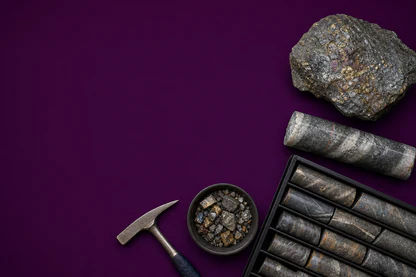
TechGen Metals Limited (ASX:TG1) has concluded its maiden diamond drilling campaign at the Blue Devil Project in East Kimberley, Western Australia. Two holes; BDDD001 at the Red Devil target and BDDD002 at Blue Devil; penetrated a complex sequence of interbedded sedimentary rocks. The company interprets the strong geophysical anomalies, initially identified via airborne electromagnetics (AEM) and ground induced polarization (IP), as being caused by widespread pyrite mineralisation at Red Devil and graphitic, pyritic black shale at Blue Devil.
Quartz-Carbonate-Pyrite Zones Suggest Potential Gold System
While both drill holes intersected pyrite and quartz veining, Blue Devil’s BDDD002 hole stood out with pervasive quartz-carbonate-pyrite zones throughout its 416.5 metre depth. These zones may correlate with an untested magnetic intrusion at depth, offering a new geological vector to focus on. TechGen’s Managing Director Ashley Hood highlighted that the sulphide-bearing, quartz-veined sequence aligns with characteristics of an intrusive-related gold system, a promising sign given the project’s proximity; just 30 kilometres; to historic gold mines in the Halls Creek region.
Assays Pending as Drill Core Heads to Perth
The Blue Devil drill hole benefitted from co-funding through the WA State Government’s Exploration Incentive Scheme (EIS), underscoring its strategic importance. The drill core is now being transported to Perth for detailed sampling and assaying targeting gold and base metals. Initial assay results are anticipated in October, with selected intervals expedited for faster analysis. Until laboratory results arrive, visual observations of mineralisation; including pyrite bands, chalcopyrite blebs, and quartz veining; remain preliminary and cannot confirm economic mineralisation.
Project Fully Funded for Continued Exploration
TechGen is fully funded for this drilling campaign and plans additional gold-target drilling in the fourth quarter of 2026. The Blue Devil Project covers 195 square kilometres in the Halls Creek Orogen, a region with a history of base metals and gold exploration dating back to the 1960s. Previous exploration by other companies focused on zinc, lead, and silver, but TechGen’s approach targets intrusion-related gold, porphyry copper-gold, IOCG, and skarn mineralisation styles.
Next Steps Hinged on Assay Outcomes
With drilling complete and assays pending, the company’s next moves will depend heavily on laboratory results. The presence of quartz-carbonate-pyrite veining associated with magnetic features provides a compelling rationale for further geological modelling and follow-up drilling. The Blue Devil Project’s location near established gold provinces adds to its appeal, but confirmation of economic mineralisation remains a key hurdle.
Bottom Line?
October’s assay results will be pivotal in determining whether Blue Devil’s geological promise translates into a viable gold or base metals discovery.
Questions in the middle?
- Will assay results confirm the presence of economically significant gold or base metals?
- How might the interpreted magnetic intrusion at Blue Devil influence future drilling targets?
- What scale of mineralisation could the 2.75 km strike length of EM conductors represent if confirmed?