A$100m revenue, A$47m loss: Polymetals reports first production year

Polymetals Resources moved its Endeavor silver-zinc-lead mine from restart to commercial production in FY2026, generating A$100.0 million in revenue. The milestone came alongside a A$47.0 million loss, negative operating cash flow and an auditor warning over going-concern uncertainty.
- Endeavor generated A$100.0 million revenue in its first production year
- Group reported a A$47.0 million net loss and A$21.8 million operating cash outflow
- 20.7Mt mineral resource reported at 7.5% zinc, 4.2% lead and 82g/t silver
- Deep Zinc Lode development targets mill throughput of about 100,000 tonnes per month
- Auditor highlighted material uncertainty around the company’s ability to continue as a going concern
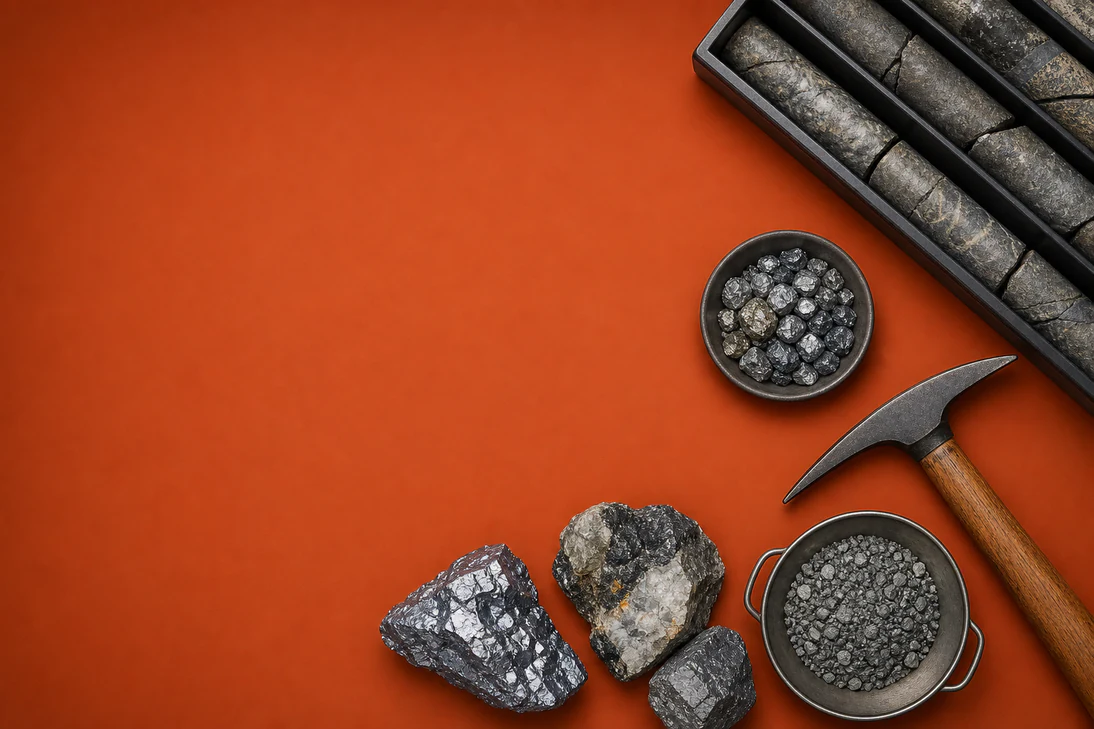

Polymetals Resources Ltd (ASX:POL) has crossed the most important line in its short corporate history: Endeavor is no longer a mine restart project, but a revenue-generating operation. The Cobar, New South Wales mine produced its first saleable concentrates, completed shipments and generated A$100.0 million in FY2026 revenue.
That achievement, however, came with a balance sheet that still demands careful handling. Polymetals recorded a A$47.0 million net loss, used A$21.8 million in operating cash and ended 30 June with A$19.7 million in cash against A$26.5 million of borrowings. RSM Australia Partners signed an unmodified audit opinion, but drew attention to a material uncertainty related to going concern because current liabilities exceeded current assets by A$28.1 million.
Endeavor reaches commercial production
Production ramp-up gathered pace through the year. Polymetals recovered 1.108 million ounces of silver, 1,554 ounces of gold, 10,272 tonnes of zinc and 5,165 tonnes of lead from 357,658 tonnes of processed ore. Revenue comprised A$53.1 million from silver, A$31.2 million from zinc, A$11.9 million from lead and A$3.8 million from gold.
The June quarter offered the clearest operational evidence of progress: production rose 48% quarter-on-quarter, revenue increased 65% to A$45.8 million and operating cash flow reached A$10.4 million. Across the full year, the company completed six product shipments, including zinc and lead concentrates and direct shipping ore from the silver-rich Upper North Lode. That operating improvement arrived after mining and milling were suspended following the October 2025 underground accident that killed employees Patrick ‘Ambrose’ McMullen and Holly Clark. Polymetals said internal and external reviews remain ongoing, with any potential liability still uncertain and unquantifiable.
Resource growth changes the mine’s starting point
Polymetals is now trying to turn a restarted mine into a larger and longer-lived one. The updated Endeavor Mineral Resource, reported after year-end, stands at 20.7 million tonnes grading 7.5% zinc, 4.2% lead and 82 grams per tonne silver, containing about 54.3 million ounces of silver. The Upper Main Lode contributed 1.3 million tonnes of sulphide mineralisation previously considered inaccessible, adjacent to existing underground development.
The Upper North Lode provides a nearer-term opportunity. Reconciliation showed silver grades materially above the modelled Reserve grade and identified native silver, prompting Polymetals to sell some material directly to smelters rather than process it conventionally. About 400,000 tonnes of high-grade UNL ore is planned for near-term mining, although the company still needs to demonstrate how consistently that opportunity can translate into cash.
Funding and mill utilisation remain the tests
The next operational objective is to advance the Deep Zinc Lode and increase treatment toward Endeavor’s installed capacity of about 100,000 tonnes per month during the first half of calendar 2027. That could allow the company to spread fixed costs across higher volumes, but it also requires sustained underground production, development capital and reliable execution.
Polymetals raised A$34.4 million through an institutional placement in December and reduced debt during the year, while a related party provided a fully drawn A$5.0 million interest-free loan. After year-end, the company replaced A$27.956 million of vendor-held environmental bonds with a Macquarie Bank guarantee, removing the vendor’s senior security over the project but leaving the cash used for the replacement restricted. It also repaid and then redrew almost the full US$10 million Ocean Partners facility in August.
The central question for FY2027 is therefore not whether Endeavor can produce metal. It has done that. The harder test is whether production and concentrate sales can generate enough dependable cash to fund Deep Zinc Lode development, meet rehabilitation commitments and reduce reliance on fresh financing while safety reviews continue.
Bottom Line?
Endeavor has reached revenue generation, but Polymetals must convert quarterly operating momentum into sustained free cash flow before its growth plans become self-funding.
Questions in the middle?
- Can Endeavor sustain positive operating cash flow after development spending, debt service and restricted environmental bond cash are taken into account?
- Will Deep Zinc Lode development lift throughput toward 100,000 tonnes per month without requiring another material equity raise?
- What conclusions or liabilities will emerge from the regulatory reviews of the October 2025 underground fatalities?