Bubs Opens a Bigger US Growth Platform With Permanent FDA Approval

3 min read
9:39am on Thursday 10th of September, 2026 AEST ~9am, 10th Sept, 26
Bubs Australia has secured permanent US FDA authorisation for three infant formula products, removing a regulatory barrier in the company’s largest market. The approval supports possible portfolio expansion and contract manufacturing, but the presentation contains no new earnings guidance or quantified financial benefit.
- Permanent FDA authorisation for Bubs Goat, Bubs 365 Day Grass Fed and Bubs Essential
- US generated AUD 66 million, or 59% of FY26 revenue
- Bubs holds 24% of the US goat infant formula segment by value
- Company assessing US contract manufacturing opportunities with a stated TAM above AUD 350 million
- FDA variant submission lodged on 9 September remains under review
 Add us as a preferred source on Google
Permanent FDA Authorisation Removes US Supply Barrier
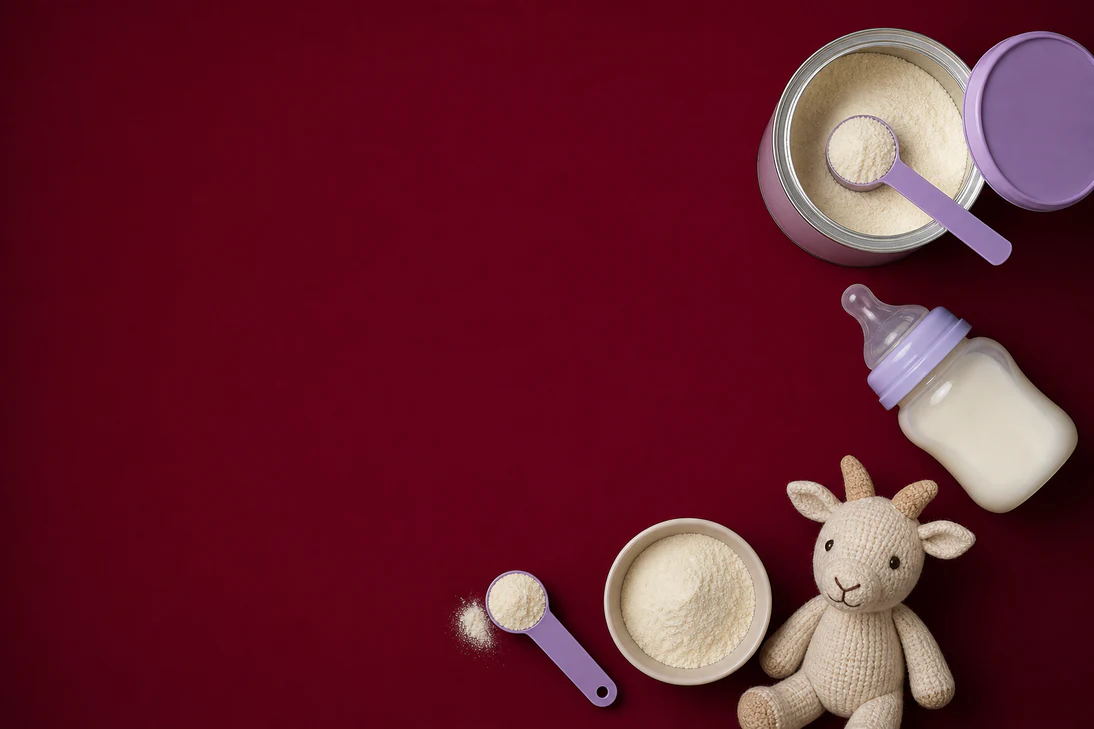
Bubs Australia Limited (ASX:BUB) has secured permanent US Food and Drug Administration authorisation for its Bubs Goat, Bubs 365 Day Grass Fed and Bubs Essential infant formula products, turning a four-year approval process into a potentially important platform for the company’s next phase of US growth.
The authorisation places Bubs among a limited group of non-US manufacturers approved to supply the American infant formula market. That matters because the US is already the company’s largest revenue source: FY26 US revenue was AUD 66 million, representing 59% of group revenue, compared with AUD 21 million from China, AUD 18 million from Australia and AUD 6 million from the rest of the world.
Goat Formula Offers Bubs a Concentrated Growth Market
Bubs is targeting a US infant formula market valued at AUD 7.2 billion, according to Circana data cited in the presentation. Premium natural formula accounts for AUD 842 million, while the goat segment is valued at AUD 400 million and represents 48% of the premium natural category.
The company says premium natural infant formula grew at a 53.6% four-year compound annual growth rate between 2021 and 2025, while goat infant formula grew at 189.5%. Bubs has an 11% share of premium natural infant formula and a 24% share of the goat segment, based on the same Circana dataset. Those figures describe an attractive niche, but they do not by themselves establish how much additional revenue the permanent authorisation will generate.
Expansion Plans Extend Beyond the Existing Product Range
Bubs says it intends to use the approval to expand distribution, strengthen its premium shelf position, renovate its core range and introduce products into adjacent formats. Its stated distribution ambition is to move beyond 5,558 doors towards more than 10,000, with plans involving existing accounts, regional grocery partners and selective expansion across specialty, club and drug channels.
The presentation also identifies contract manufacturing as a possible new avenue, using available capacity in Bubs’ farm-to-formula value chain. It puts the total US contract manufacturing addressable market at more than AUD 350 million and says an FDA variant submission was lodged on 9 September 2026. Neither the contract manufacturing opportunity nor the variant submission represents a confirmed award or approval, and the company says future supply-network decisions will depend on growth, risk and return hurdles.
The immediate test is whether regulatory certainty converts into measurable commercial progress. Bubs has not issued new earnings guidance or quantified the incremental financial impact of the authorisation, leaving distribution gains, product innovation, marketing returns and the outcome of the variant review as the next evidence points.
Bottom Line?
The FDA approval removes a major constraint, but the investment case now shifts from authorisation to execution: US sales, distribution productivity and any confirmed manufacturing wins will determine its value.
Questions in the middle?
- How quickly will permanent authorisation translate into additional US distribution and sales?
- Can Bubs expand its premium and goat formula share without weakening pricing or margins?
- Will the FDA variant submission and contract manufacturing assessment produce tangible opportunities or require further investment first?