Sparc graphene test strengthens ecosparc commercial case

3 min read
8:30am on Tuesday 15th of September, 2026 AEST ~8am, 15th Sept, 26
Sparc Technologies has reported a 25% reduction in corrosion creep after adding HydroGraph’s Fractal Graphene to its ecosparc protective coating. The result strengthens the commercial case, but a definitive supply agreement remains conditional on longer testing due in November.
- 25% reduction in corrosion creep after 16 weeks
- Testing conducted in Sparc’s own laboratories
- Extended 4,200-hour test results expected in November
- Commercial agreement still subject to negotiations
- Non-underwritten SPP targets up to A$1.75 million
HydroGraph graphene delivers 25% corrosion improvement
Sparc Technologies Limited (ASX:SPN) has produced a useful performance datapoint for its ecosparc coating additive, reporting a 25% reduction in corrosion creep when HydroGraph Clean Power’s Fractal Graphene was added to a commercial solvent-based epoxy coating.
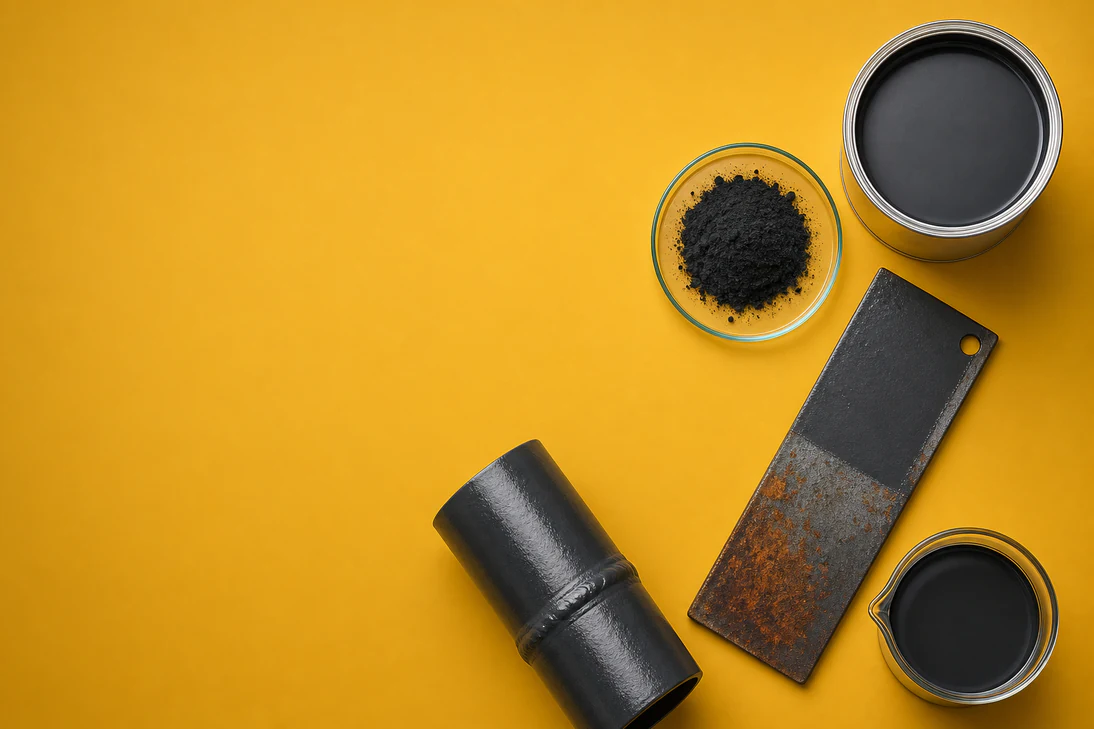
After 2,688 hours of cyclic exposure, the coating containing ecosparc and HydroGraph’s graphene recorded average scribe creep of 5.13 millimetres, compared with 6.80 millimetres for the unmodified reference coating. The testing used hot rolled steel panels and a roughly 500-micron dry film thickness under ISO 12944 procedures.
Longer test remains the commercial gateway
The result is encouraging, but it is not yet a commercial contract. Sparc conducted the work in its own laboratories, the results have not been independently verified, and the reported scribe creep was calculated from averages across three panels.
A longer 25-week, or 4,200-hour, test is now under way, with results expected in November 2026. Sparc and HydroGraph intend to negotiate a definitive supply and collaboration agreement only if that extended testing produces a positive outcome. The existing letter of intent, signed in March, covers testing responsibilities, data use, intellectual property and confidentiality, but does not itself establish the proposed commercial relationship.
Solvent-based result extends ecosparc evidence base
The solvent-based result adds to earlier water-based testing using HydroGraph’s material, which Sparc says showed corrosion resistance improvements of up to 60%. Those figures come from different testing conditions and should not be treated as a like-for-like performance comparison.
For Sparc, the immediate significance is that the additive has shown an improvement in another coating formulation relevant to protective infrastructure. The company says multiple global coatings companies are evaluating ecosparc, while field trials are also under way with asset owners across government, defence, mining, and oil and gas applications. The filing gives no revenue guidance or timetable for converting those evaluations into sales.
SPP keeps funding question in view
The announcement also places the technical progress alongside Sparc’s open, non-underwritten share purchase plan, which is targeting up to A$1.75 million at A$0.175 a share. That price represented discounts of 16.7% to the 17 August last traded price, 19.7% to the five-day VWAP and 20.9% to the 20-day VWAP. The offer is scheduled to close on 24 September 2026, although it may raise more or less than the target.
The next meaningful test for the story is therefore a practical one: whether the 25-week data supports a binding HydroGraph agreement, and whether customer evaluations and field trials begin translating ecosparc’s laboratory performance into repeat commercial demand.
Bottom Line?
The 25% improvement strengthens Sparc’s technical case, but November’s longer test and the final amount raised under the SPP remain the nearer-term signposts.
Questions in the middle?
- Will the 4,200-hour test preserve the reported performance advantage?
- Can Sparc and HydroGraph convert the letter of intent into a definitive commercial agreement?
- How much will the non-underwritten SPP ultimately raise to support the commercial pipeline?