Jade Gas Sees More Room Below Mongolia’s TTCBM Project

Jade Gas will use targeted 2D and 3D seismic to test whether its established coal-measure gas system extends into deeper CBM, shale gas and tight sandstone horizons in Mongolia. The exploration could expand TTCBM’s longer-term potential, but the company says commercialising existing resources remains the immediate priority.
- Targeted 2D and 3D seismic planned at the TTCBM Project
- Deeper horizons may include CBM, shale gas and tight sandstone gas
- Ordos Basin examples support evaluation of vertically stacked gas systems
- International energy companies have made inquiries about deeper potential
- No deeper resources, drilling commitment, timing or cost estimate disclosed
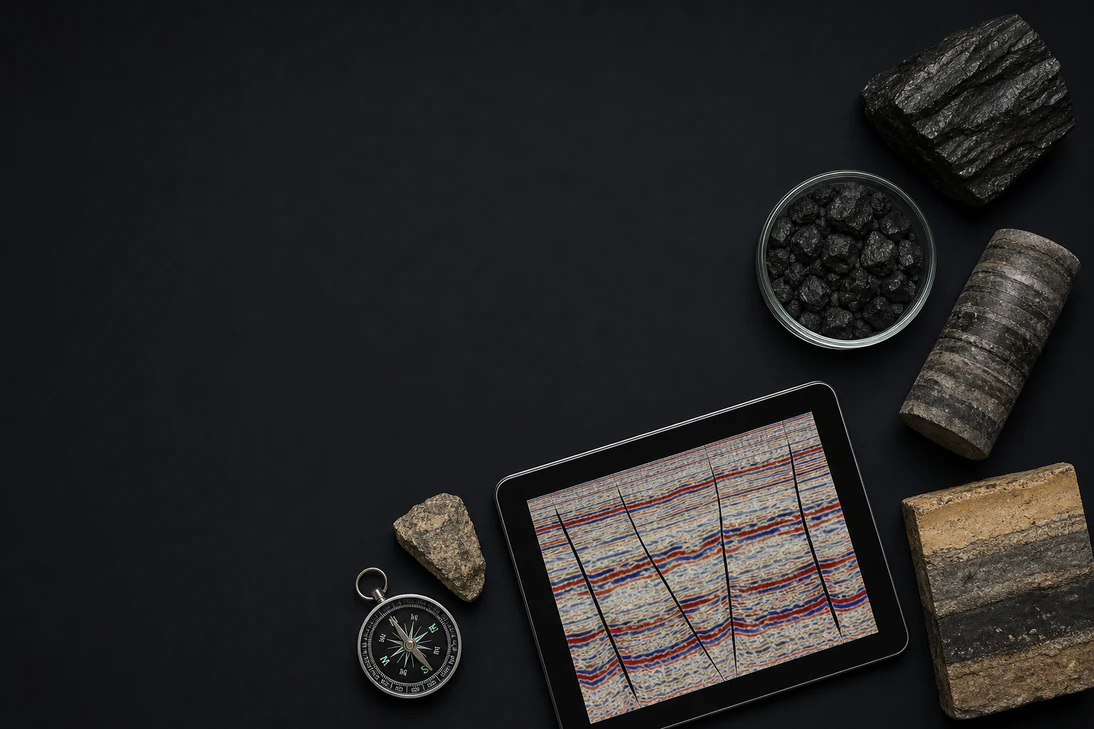

Seismic to Test TTCBM’s Deeper Gas System
Jade Gas Holdings Limited (ASX:JGH) is looking below the coal seams that underpin its Mongolian development plans, with a proposed seismic program aimed at determining whether the Tavantolgoi XXXIII Coal Bed Methane Project contains a broader gas system at depth.
The company plans to begin with 2D seismic to map the deeper geological structure, followed by targeted 3D seismic over selected areas. The work is intended to define the depth, distribution, continuity and structural setting of potential gas-bearing horizons before Jade considers deep exploration drilling.
That distinction matters. Jade has not announced a deeper resource, reserve or drilling result. The proposed sequence is still 2D seismic, targeted 3D seismic, target ranking, priority-well selection and then reservoir and gas evaluation. The announcement also provides no timing or cost estimate for the program.
Ordos Basin Offers a Geological Analogue
Jade is drawing on examples from China’s Ordos Basin, particularly the Hedong Coalfield, where Carboniferous-Permian coal-bearing sequences host vertically stacked gas horizons. The company points to the Linxing gas field, historically developed by formerly ASX-listed Sino Gas & Energy, as an example containing coal bed methane, shale gas and tight sandstone gas within a wider coal-measure system.
It also cites the Daning-Jixian area, where CBM has been explored and developed from coal reservoirs at depths exceeding 2,000 metres. These examples inform Jade’s exploration strategy, but they do not establish that equivalent deeper horizons exist at TTCBM. That will depend on the seismic interpretation and any subsequent drilling.
Industry Inquiries Add Strategic Interest
Jade said it has received inbound inquiries from international energy companies about TTCBM’s deeper gas potential. The company believes a stronger seismic dataset could provide a technical basis for discussions with those parties, although no formal agreement or commitment has been announced.
The deeper program is being presented as an additional, longer-term opportunity rather than a change in direction. Jade’s near-term focus remains the development and commercialisation of its established TTCBM gas resources, including the gas system supporting its current strategy. The company also said information from deeper targets could be relevant to its proposed Hong Kong listing and engagement with Asian investors.
Commercialisation Remains the Immediate Test
For shareholders, the attraction is potential inventory expansion without abandoning the existing development pathway. The harder test is whether the new exploration work can produce technically credible targets without distracting from the established resources that Jade says it is prioritising.
The next material evidence should come from the scope and timing of the seismic campaign, the quality of the resulting subsurface images and any decision to commit to deep wells. Until then, TTCBM’s deeper gas remains a geological possibility rather than an addition to Jade’s booked development base.
Bottom Line?
The seismic program could widen Jade’s opportunity set, but its investment significance will depend on targets that survive interpretation and, ultimately, drilling.
Questions in the middle?
- When will Jade define the scope, timing and funding requirements for the 2D and 3D seismic program?
- Will seismic interpretation identify deep targets compelling enough to justify exploration drilling?
- Can Jade progress the deeper opportunity without slowing commercialisation of its established TTCBM resources?