Vulcan starts making the material at the heart of Lionheart

3 min read
8:29am on Monday 21st of September, 2026 AEST ~8am, 21st Sept, 26
Vulcan Energy has started commercial-scale production in Germany of VULSORB, the proprietary adsorbent at the centre of its planned direct lithium extraction process. The material will supply first-fill volumes for Project Lionheart, although lithium production remains targeted for the second half of 2028.
- Commercial-scale VULSORB production begins in Germany
- First-fill volumes planned for Lionheart extraction columns
- Up to 95% lithium extraction efficiency reported in testing
- Production to continue over the next 18-24 months
- Potential future licensing through Vulcan’s VULTEC arm
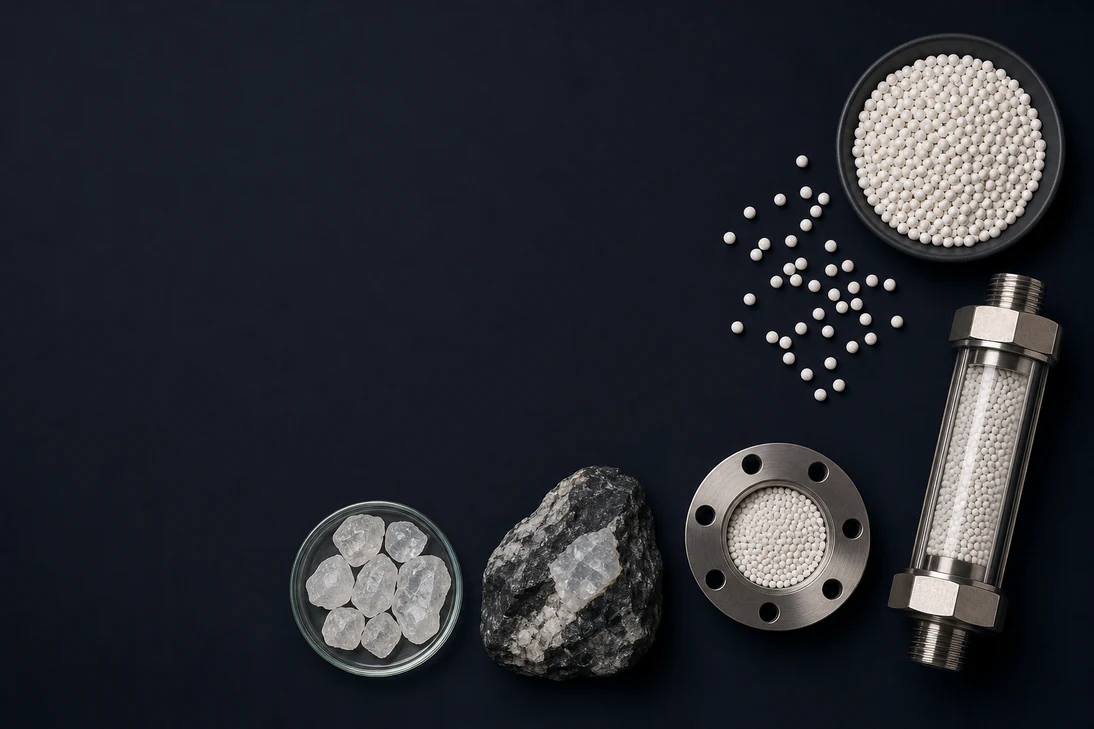

VULSORB production moves from testing to commercial scale
Vulcan Energy Resources (ASX:VUL, FSE:VUL) has begun commercial-scale production in Germany of VULSORB, the proprietary adsorbent designed to selectively capture lithium from brine. It is a notable shift for the company’s technology story: the material is no longer confined to laboratory and demonstration work, but is now being manufactured for the first fill of the adsorption-based direct lithium extraction columns planned for Project Lionheart.
Vulcan says VULSORB has completed thousands of operating cycles under real-world conditions, with lithium extraction efficiency of up to 95%. The company also says three years of product trials at European toll-manufacturing sites produced highly pure lithium chloride and battery-grade lithium hydroxide at demonstration scale. Those results, it says, provided sufficient confidence to begin full-scale production with a local tolling partner.
The announcement does not disclose current production volumes, manufacturing costs or commercial revenue. Instead, the immediate task is preparation: Vulcan expects to manufacture VULSORB over the next 18 to 24 months ahead of Lionheart commissioning, which remains targeted for the second half of 2028.
Western supply chain becomes part of the investment case
VULSORB covers both the aluminate-based formulation and the method used to manufacture it. Vulcan presents that combination of proprietary technology, western intellectual property and an ex-China supply chain as a strategic advantage, particularly after China introduced export controls and stricter licensing arrangements for overseas shipments of adsorption-based direct lithium extraction technology in early 2025.
CEO Cris Moreno described the milestone as a technology, supply-chain and execution “de-risking” achievement for Lionheart. That is management’s characterisation, rather than evidence that the broader project risks have been removed. The company still has to convert the material into a functioning commercial extraction circuit and complete the wider Lionheart development before the planned lithium output can begin.
One material, several possible growth paths
Lionheart is Vulcan’s first production phase in the Upper Rhine Valley Brine Field between Germany and France. The company’s stated Phase One target is 24,000 tonnes a year of lithium hydroxide monohydrate, alongside renewable power and heat co-products. VULSORB is also intended for Project Ludwig and other future projects across the brine field, supporting Vulcan’s proposed “design one, build many” approach.
Beyond its own projects, Vulcan says its VULTEC technology arm could selectively license VULSORB to third parties and has tested the material on multiple brine types. No binding licensing agreement or associated economics were disclosed in this announcement, leaving the near-term commercial value of that option unquantified. The next useful evidence will be production consistency, quality data and progress in installing the Lionheart columns rather than another claim about the technology’s potential.
Bottom Line?
VULSORB production is a tangible preparation milestone, but the investment case still turns on manufacturing execution and Lionheart commissioning in 2028.
Questions in the middle?
- What production volumes and quality results will Vulcan report as VULSORB manufacturing ramps up?
- Can the material perform consistently across Lionheart’s commercial brine conditions?
- Will Vulcan secure binding third-party licensing agreements that add value beyond its own projects?