Simble Opens NanoSensor Path Into Cell-Level Solar Monitoring

3 min read
9:03am on Tuesday 22nd of September, 2026 AEST ~9am, 22nd Sept, 26
Simble Solutions is extending its NanoSensor technology into terrestrial solar monitoring, using its existing SimbleSense and CarbonView platforms as a potential route to commercialisation. The opportunity remains at the benchmark-testing stage, with space-based solar identified as a longer-term possibility rather than an immediate product or revenue stream.
- NanoSensor expansion into terrestrial solar performance monitoring
- Formal benchmark testing under solar-relevant conditions now planned
- Potential integration with SimbleSense and CarbonView platforms
- Space-based solar remains a longer-term, unvalidated application
- No customer commitments, revenue forecasts or deployment timetable disclosed
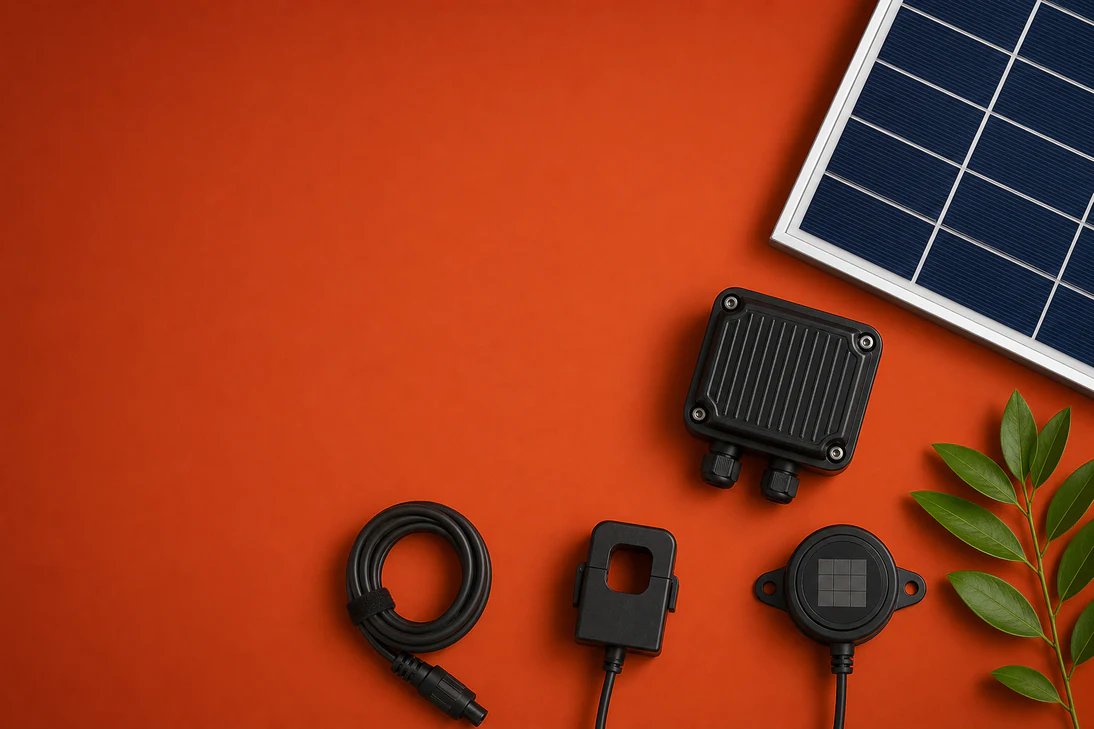

NanoSensor Moves Into Solar Monitoring
Simble Solutions Ltd (ASX:SIS) is taking its NanoSensor platform into solar sensing, targeting a problem conventional monitoring hardware often handles poorly: identifying performance losses at panel or cell level rather than only across strings and arrays. The initial focus is terrestrial solar performance monitoring, where Simble already operates through its SimbleSense and SimbleEnergy products.
The announcement builds on optical characterisation results showing detection across UV-A, UV-B and UV-C wavelengths, as well as visible light. Simble says that capability allows the solar workstream to move directly into formal benchmark testing rather than restarting sensor development, although the company has not yet disclosed solar-specific performance results, customer pilots or commercial deployment commitments.
Existing Software Provides the Proposed Route to Market
Simble’s pitch is less about creating another standalone sensor and more about adding a higher-resolution sensing layer to software infrastructure it already operates. The company plans to feed NanoSensor-derived data into SimbleSense and CarbonView, potentially giving existing customers access to more granular solar diagnostics through platforms already used for energy visualisation and sustainability reporting.
That architecture could address the practical limits of conventional pyranometers, reference cells and inverter-level measurements, which Simble says can be bulky, power-intensive and difficult to deploy densely. Its NanoSensor is intended to combine multi-wavelength detection with a sub-millimetre form factor and ultra-low power consumption. Those remain design characteristics to be tested against solar operating conditions, not demonstrated commercial outcomes.
Benchmark Testing Is the Immediate Hurdle
The next stage is specific and consequential: characterising the existing architecture under solar-relevant conditions, assessing deployment in harsher environments, and completing the data-integration and platform-readiness work needed to produce customer-facing outputs. Simble says it will provide further capability-specific updates as the workstream develops.
Space-based solar sits further out on the risk curve. The company is monitoring the segment as a possible longer-term application, citing the potential fit between compact, low-power, wavelength-sensitive sensors and the mass, volume, radiation, thermal and vacuum constraints of orbital systems. Simble has not established that the NanoSensor can operate in those conditions, and describes the opportunity as subject to further characterisation and commercial validation.
Large Market Estimates Do Not Yet Equal Revenue
Simble cites third-party projections for solar photovoltaic, photovoltaic monitoring, solar panel monitoring, space-based solar power and the wider Industrial IoT market, including an estimated US$1.69 trillion Industrial IoT market by 2030. These figures illustrate the size of the sectors being discussed, but they are not Simble forecasts and the announcement provides no expected revenue contribution, funding requirement, pricing model or deployment timeline.
The investment question now turns on evidence rather than addressable-market arithmetic. Solar benchmark results, integration into Simble’s software, deployment economics and any customer validation will determine whether the NanoSensor becomes a useful extension of Simble’s existing energy business or remains an early-stage technology pathway.
Bottom Line?
Simble has found a credible commercial adjacency for NanoSensor, but the value of the solar strategy will depend on benchmark data, integration and customer validation still to come.
Questions in the middle?
- Can the NanoSensor deliver reliable, economically useful measurements under real solar operating conditions?
- When will Simble demonstrate working integration with SimbleSense and CarbonView or begin customer pilots?
- Will space-based solar progress beyond strategic optionality into funded technical testing and a defined commercial case?