6K Additive unlocks US$27.4m for critical materials expansion

6K Additive has completed a six-year, US$27.4 million secured loan with the US Export-Import Bank to expand production of critical metal powders in Pennsylvania. The financing gives the company access to project funding through June 2028, but the final interest rate and the expansion’s eventual output remain to be established.
- US$27.4 million secured EXIM financing facility
- Funding for equipment and infrastructure at Burgettstown
- Six-year term with 12 months of interest-only payments
- Indicative all-in annual borrowing cost of approximately 6.86%
- Expansion targets nickel, titanium and refractory metal powders
 Add us as a preferred source on Google
US$27.4 Million Loan Reaches Final Signature
6K Additive Inc. (ASX:6KA) has turned a previously approved government financing package into a fully executed loan, securing up to US$27.4 million from the Export-Import Bank of the United States for its manufacturing expansion in Burgettstown, Pennsylvania.
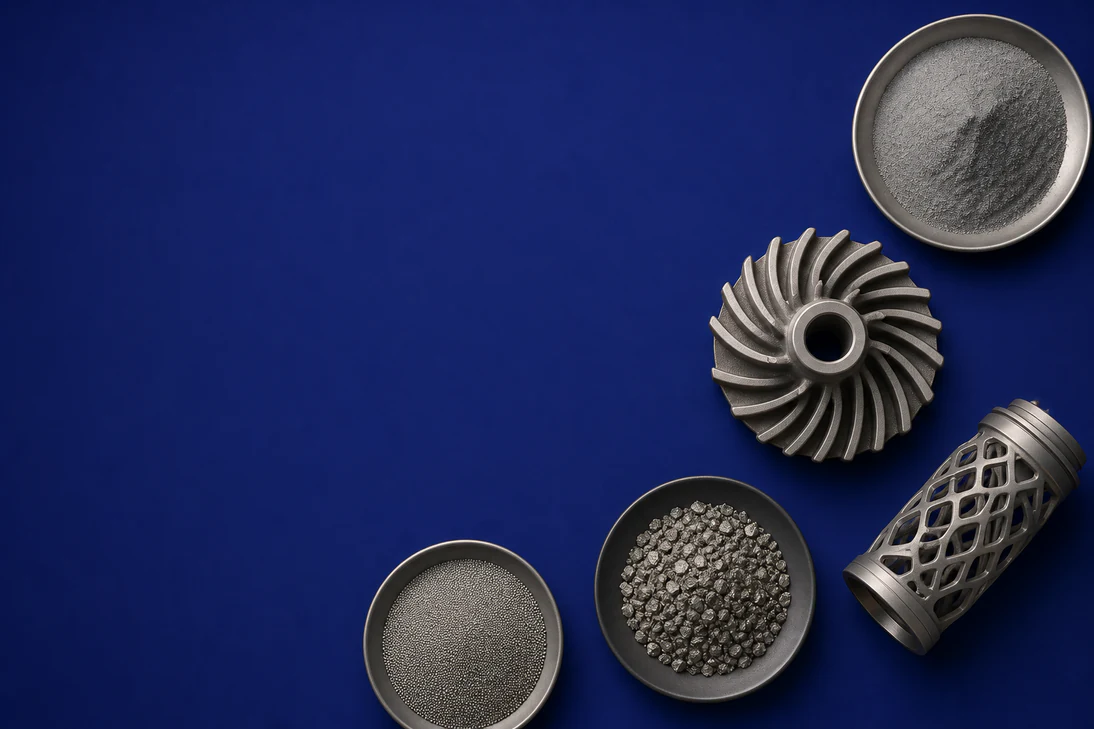
The facility is designed to reimburse eligible equipment and infrastructure purchases already being made for the site’s expansion. 6K Additive says the project involves four new buildings and additional advanced manufacturing equipment aimed at increasing production of nickel, titanium, refractory and other metal powders for aerospace, defence, space, energy and industrial customers.
Six-Year Facility Supports Burgettstown Build-Out
The loan has a six-year term and can be drawn through 30 June 2028. It includes an initial 12-month period of interest-only payments, followed by five years of amortising principal, giving the company a staged repayment profile while the expansion is being developed.
Up to US$25.2 million is allocated to eligible project costs, with a further US$2.2 million available to fund EXIM’s 8.9% exposure fee. At the currently published Commercial Interest Reference Rate of 5.38%, 6K Additive estimates the facility’s all-in annual borrowing cost at approximately 6.86%. The final fixed rate will be set five business days before the first disbursement, while undrawn and uncancelled commitments attract a 0.5% annual fee.
Critical Materials Strategy Gains Government Backing
EXIM approved the financing in December 2025 under its Make More in America Initiative, in coordination with the US Department of War’s Defense Production Act Title III initiative. The company describes the approval as the first deal of its kind under that coordination and the largest Make More in America loan supporting advanced materials and manufacturing.
6K Additive says its UniMelt technology produces spherical metal powders from qualified domestic feedstocks, with quality, traceability and DFARS compliance aimed at aerospace and defence requirements. The filing presents the financing as support for a more domestic and resilient supply of materials including titanium, tungsten, C-103, nickel alloys and tantalum.
Drawdowns and Production Delivery Become the Next Test
The announcement strengthens the funding base for the Pennsylvania project, but it does not quantify the remaining capital required, the expected production increase, the project completion timetable or the revenue contribution from the expanded capacity. Those omissions leave execution, rather than loan approval, as the next material measure of progress.
Attention now turns to when 6K Additive begins drawing the facility, the final CIRR fixed at first disbursement, and whether new buildings and equipment translate into higher output and customer demand before debt repayments begin to amortise.
Bottom Line?
The financing removes a major funding question for the Burgettstown expansion; the harder question is how quickly the borrowed capital becomes productive capacity and cash flow.
Questions in the middle?
- When will 6K Additive make its first EXIM drawdown, and at what final fixed rate?
- What production capacity will the Pennsylvania expansion ultimately add?
- Can customer demand convert the new capacity into sufficient cash flow before principal repayments begin?
Sources
1-
6KA executes final US$27.4M Exim Loan Agreement (opens in a new tab)Official market announcement. 6K Additive, Inc · 2 Oct 2026 · 6kadditive.com