CSL Backs Potential Rare Disease Franchise With Lixudebart Deal

3 min read
8:22am on Monday 5th of October, 2026 AEDT ~8am, 5th Oct, 26
CSL has secured an exclusive agreement to co-develop and co-promote Alentis Therapeutics’ investigational drug lixudebart, committing US$355 million upfront and funding a multi-trial development programme. The antibody remains unapproved, with its commercial potential dependent on results from ongoing and planned clinical studies.
- US$355 million upfront payment to Alentis Therapeutics
- Up to US$1.2 billion in commercial milestones
- CSL to fund Phase 2 and planned Phase 3 development
- Global profits to be split 55% CSL and 45% Alentis
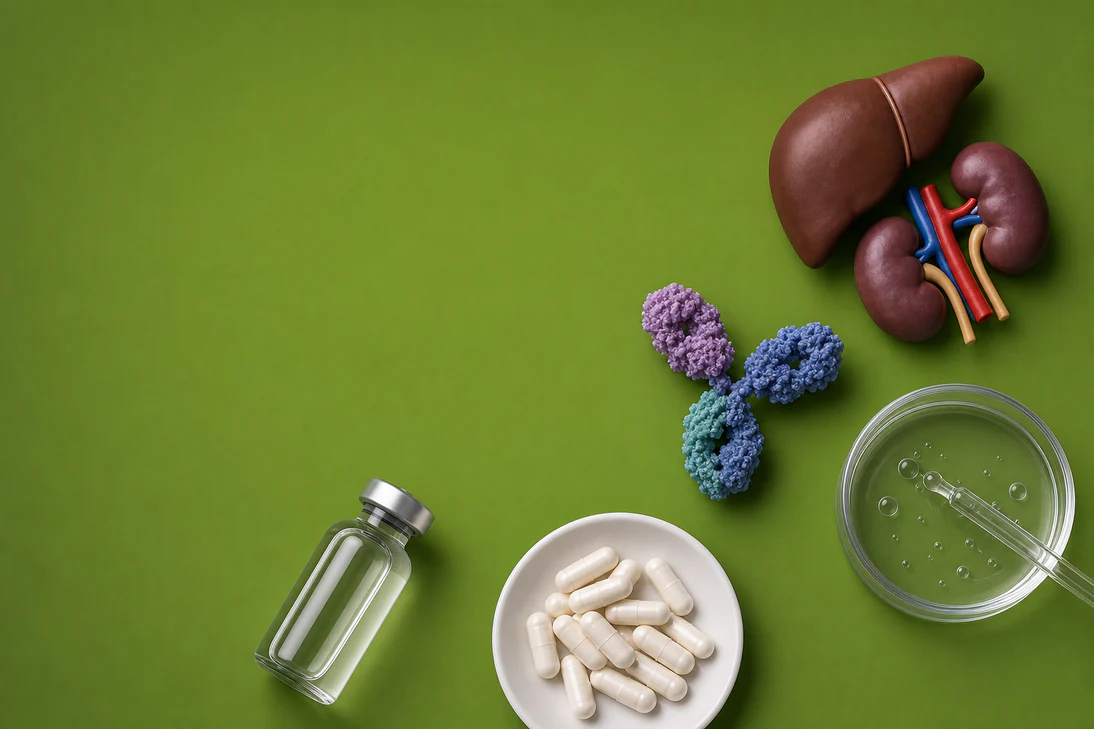
- Lixudebart targets rare kidney and liver diseases
 Add us as a preferred source on Google
CSL Secures Exclusive Lixudebart Partnership
CSL Limited (ASX:CSL; USOTC:CSLLY) is putting US$355 million behind a potential new rare-disease franchise, signing an exclusive agreement with Alentis Therapeutics to co-develop and co-promote the investigational antibody lixudebart. The deal also exposes CSL to up to US$1.2 billion in commercial milestone payments, although the drug has not yet received marketing approval.
The agreement covers lixudebart’s ongoing Phase 2 development in ANCA-associated vasculitis with rapidly progressive glomerulonephritis, or AAV-RPGN. CSL will fully fund completion of the Phase 2 RENAL trial and a planned Phase 3 study, alongside Phase 2 trials in focal segmental glomerulosclerosis and primary sclerosing cholangitis, plus other supporting development work.
Early Data Supports Multiple Disease Targets
Lixudebart is designed to target exposed claudin-1, which Alentis describes as a driver of inflammatory and fibrotic signalling in several organs. In an interim analysis of 26 AAV-RPGN patients in the RENAL trial, the company reported promising improvements in estimated glomerular filtration rate and proteinuria at 24 weeks. Those findings are interim and come from a small patient group, so they do not establish whether the treatment will ultimately demonstrate a clinically meaningful benefit in larger or later-stage trials.
The company also cited results from the Phase 1b FEGATO trial, where 41 patients with advanced F3/F4 liver fibrosis showed improved liver function at six weeks. Both studies reportedly showed dose-dependent target engagement and a favourable safety and tolerability profile. The planned indications span AAV-RPGN, the chronic kidney disease FSGS and PSC, a chronic liver disease for which CSL says there is currently no available therapy.
Profit Sharing Comes With Development Risk
Once commercialised, global profits will be divided 55% to CSL and 45% to Alentis. The structure gives CSL a majority share of any eventual economics, but also leaves it responsible for the specified clinical development costs and the uncertainty attached to a programme still progressing through Phase 2.
For CSL, the transaction arrives as it seeks to build a global nephrology franchise through external partnerships. The immediate question is whether lixudebart can convert encouraging early signals into robust evidence in AAV-RPGN and the additional kidney and liver indications. The next meaningful markers are completion of RENAL, the design and progress of the planned Phase 3 study, and the results of the FSGS and PSC programmes.
Bottom Line?
CSL has bought meaningful exposure to a multi-indication rare-disease asset, but the US$355 million commitment is being made before lixudebart has cleared late-stage clinical or regulatory hurdles.
Questions in the middle?
- Will the Phase 2 RENAL results support progression into the planned Phase 3 AAV-RPGN trial?
- Can lixudebart demonstrate benefits across both inflammatory and fibrotic disease mechanisms in FSGS and PSC?
- How will the upfront payment and development funding affect CSL’s cash flow, guidance and research spending?
Sources
1-
CSL enters exclusive agreement with Alentis Therapeutics (opens in a new tab)Official market announcement. CSL Limited · 5 Oct 2026 · investors.csl.com