Jade Tests Five-Lateral Well as Red Lake Development Advances

Jade Gas has begun drilling Mongolia’s first multilateral coal bed methane well at Red Lake, testing a five-branch design intended to improve future production. The milestone arrives as negotiations for a proposed US$762.5 million Phase 1 development advance, but binding agreements are now targeted for November.
- 3,700-metre Red Lake well targets 2,950 metres in-seam
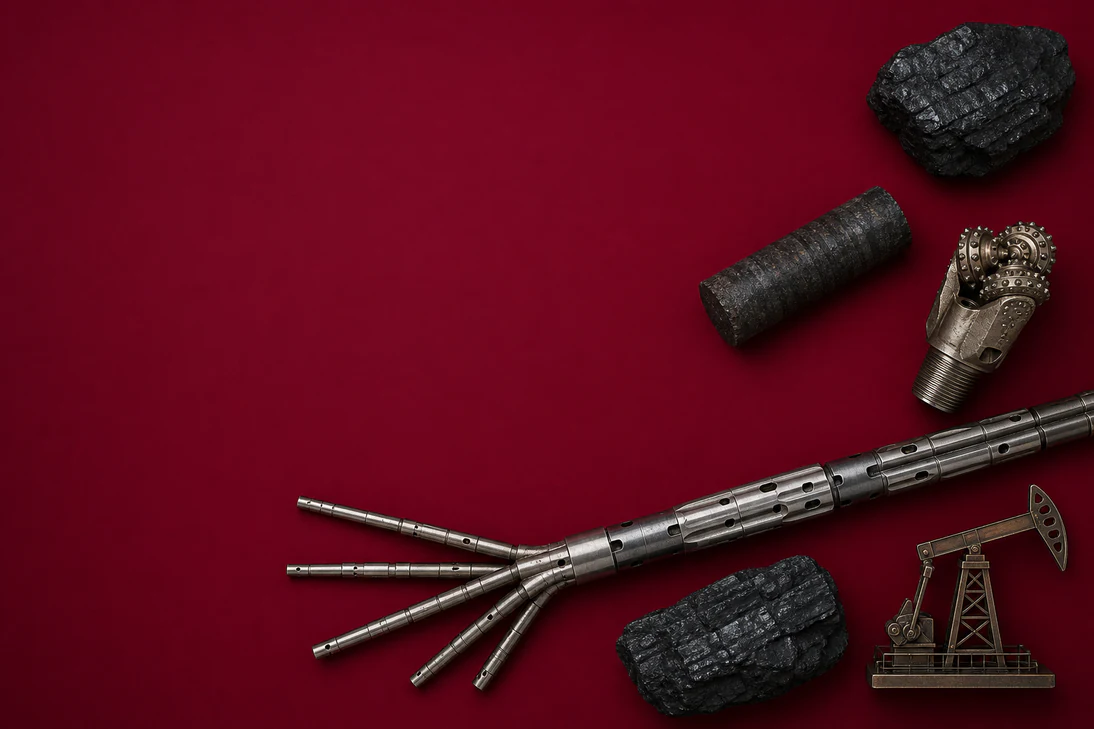
- Five lateral sidetracks will test a new completion design
- Results are intended to shape Jade’s 2027 drilling programme
- Proposed 175-well Phase 1 remains subject to binding agreements
- Chinese-led consortium funding target shifts to November
 Add us as a preferred source on Google
Five-Branch Well Begins at Red Lake
Jade Gas Holdings Limited (ASX:JGH) has started drilling what it describes as Mongolia’s first multilateral coal bed methane well, adding a technically ambitious test to the Red Lake project. The third horizontal production well will use five lateral sidetracks from a single main wellbore, targeting Seam IIIb, the same seam intersected by Red Lake’s two existing producing wells.
The programme calls for approximately 3,700 metres of drilling, including 2,950 metres in-seam. That targeted in-seam distance is materially longer than the company achieved in either of its previous single-lateral wells. Jade expects drilling and completion to finish before the end of November 2026, subject to operational conditions and the results encountered during the work.
Well Results Will Test the 2027 Development Design
The multilateral design is intended to increase contact with gas-bearing coal from one wellbore, potentially expanding the drainage area and improving recovery and flow rates. Those are expectations rather than established outcomes: subsequent dewatering and production performance will determine whether the more complex completion delivers an advantage over the existing wells.
Jade says the drilling, completion and production data will be used to refine future well configurations and operational planning for the major programme targeted for 2027. That gives the well significance beyond its immediate production profile. It is also a field test of the development model underpinning the proposed July funding agreement, which earlier outlined a Chinese consortium’s plan to fund 100% of the first phase’s capital expenditure.
US$762.5 Million Phase 1 Still Awaits Binding Documents
Negotiations with the Chinese-led consortium have progressed across project responsibilities, cost-recovery mechanisms and the proposed financing structure. The planned Phase 1 development comprises 175 production wells and estimated capital expenditure of US$762.5 million, equivalent to A$1.1 billion as stated by Jade.
The commercial prize remains large, but the funding is not yet committed under binding agreements. Jade says updated draft agreements are expected shortly, with execution of definitive financing and development documents now targeted for November. The proposed arrangements would leave legal authority and accountability with Jade subsidiary Methane Gas Resource LLC, the holder of the Production Sharing Agreement, while allowing the consortium to undertake agreed development activities.
November Signing Target Leaves Execution Risk
Jade’s announcement presents the revised timing as a consequence of the transaction’s commercial, legal and regulatory complexity. The proposed transaction remains subject to final documentation, relevant approvals and other agreed conditions, so the November target is a milestone to be pursued rather than a completed financing event.
The immediate evidence will come from two separate tests: whether the multilateral well can be completed and dewatered successfully, and whether its production performance supports Jade’s expectations for higher flow rates. Alongside that operational readout, the market still needs to see binding funding commitments before the proposed 175-well build-out can move from development plan to financed programme.
Bottom Line?
The well can provide the technical proof point for Red Lake, but the larger 2027 development case still depends on binding consortium agreements and approvals in November.
Questions in the middle?
- Can the five-lateral completion deliver higher flow rates than Red Lake’s existing single-lateral wells?
- Will the consortium execute binding financing and development agreements during November?
- What funding safeguards and cost-recovery terms will appear in the final documents?
Sources
1-
Jade Commences Drilling First Multilateral Well at Red Lake (opens in a new tab)Verified source. Jade Gas Holdings Limited · 19 Oct 2026