Clarity Reaches 383 Patients in Pivotal Prostate Imaging Trial

Clarity Pharmaceuticals has completed planned recruitment for its 383-participant CLARIFY Phase III trial of 64Cu-SAR-bisPSMA, moving the diagnostic candidate into patient follow-up. Topline sensitivity and specificity data are expected in the first half of 2027 and could support a US FDA application.
- 383 participants dosed in registrational CLARIFY trial
- Study tests pelvic lymph-node detection against histopathology
- Same-day and next-day imaging performance will be assessed
- Topline CLARIFY and AMPLIFY data expected in the first half of 2027
- 64Cu-SAR-bisPSMA remains unregistered and unapproved

 Add us as a preferred source on Google
CLARIFY Recruitment Reaches Planned Target
Clarity Pharmaceuticals (ASX:CU6) has cleared a significant development hurdle for its prostate cancer imaging candidate, dosing all 383 participants planned for the registrational Phase III CLARIFY trial. The US and Australian study is now in follow-up, with the result that matters most still ahead: whether 64Cu-SAR-bisPSMA can demonstrate sufficient diagnostic accuracy to support a US regulatory application.
CLARIFY is evaluating the copper-64 agent in people with untreated, high-risk prostate cancer who are proceeding to prostate removal and pelvic lymph-node dissection. It is non-randomised and open-label, with an independent blinded review of imaging. The trial’s primary endpoints are sensitivity and specificity for detecting cancer in pelvic lymph nodes, measured against histopathology from surgically removed tissue.
Same-Day and Next-Day Scans Face the Pivotal Test
The study will assess imaging at two points: one to four hours after administration and approximately 24 hours later. That design is important because Clarity is not merely seeking a positive scan; it intends to quantify true-positive, true-negative, false-positive and false-negative findings against the pathology reference standard.
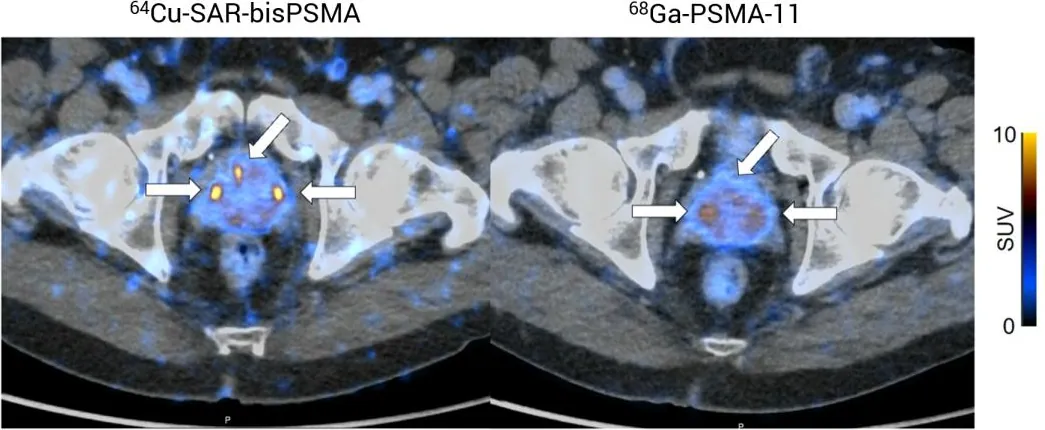
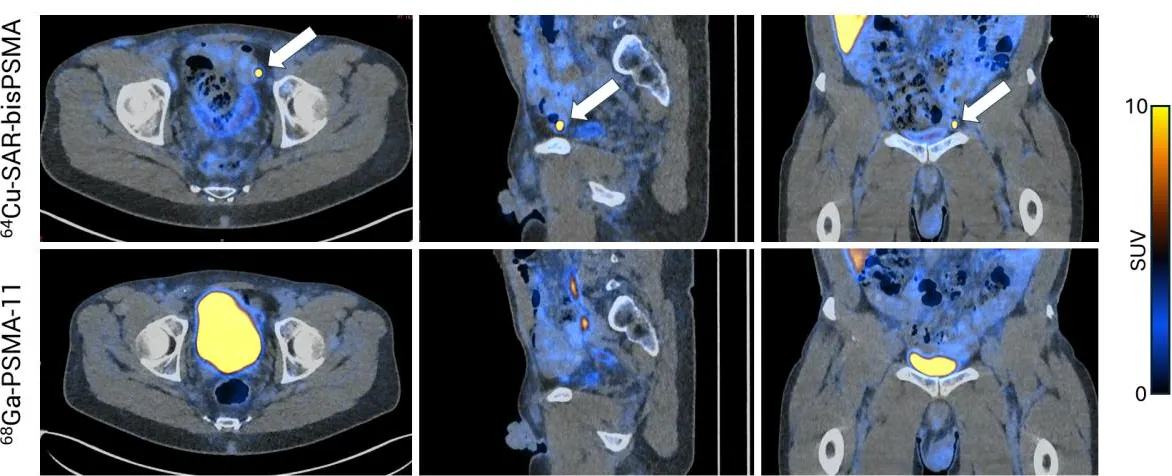
The trial builds on the company’s earlier 30-participant PROPELLER study, which Clarity said showed around 30% greater lesion detection, two to three times higher tracer uptake and contrast, and more participants with additional lesions identified using 64Cu-SAR-bisPSMA than 68Ga-PSMA-11. Those are company-reported findings from an earlier, smaller study rather than the pivotal CLARIFY result. The company also pointed to earlier prostate imaging data, where next-day imaging was reported to improve lesion visibility.
2027 Readout Could Shape FDA Pathway
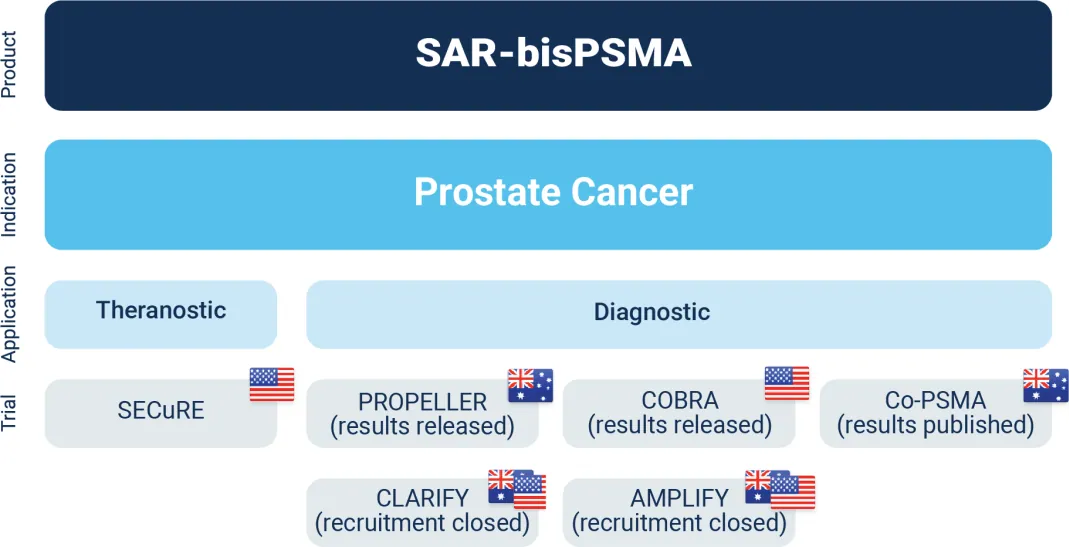
Clarity expects topline CLARIFY results in the first half of calendar 2027, alongside data from AMPLIFY, its separate registrational Phase III trial in patients with biochemical recurrence of prostate cancer. The company says final CLARIFY results are intended to provide evidence for a potential US Food and Drug Administration New Drug Application, but recruitment completion does not establish efficacy, approval or commercial availability.
The timing gives Clarity two major clinical readouts from its prostate cancer imaging programme, with the company previously reporting that AMPLIFY had also completed recruitment. The next dataset will need to show how sensitivity and specificity perform in the full pivotal population, including the comparison between same-day and next-day scans and, where available, standard-of-care imaging.
Unregistered Product Still Carries Regulatory Risk
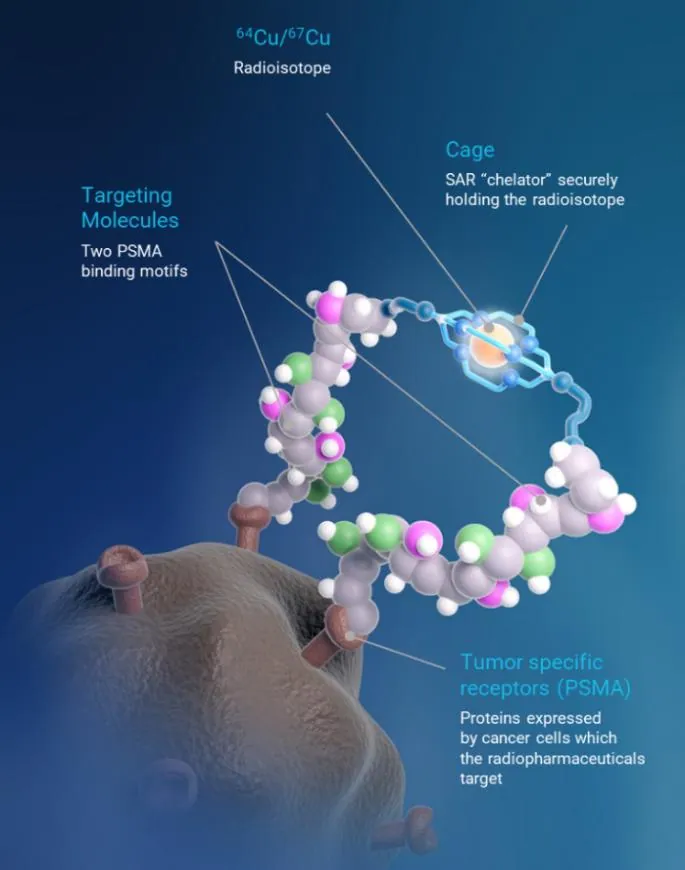
Clarity argues that current approved PSMA PET agents have shown sensitivity of 27% to 40% in their respective pivotal studies for pelvic lymph-node metastases, based on the company’s cited references. It says 64Cu-SAR-bisPSMA’s bivalent targeting design, copper-64 half-life and proprietary SAR chelator may improve uptake and scan flexibility. Those claims remain dependent on the forthcoming pivotal evidence and regulatory assessment.
For now, the announcement is a recruitment milestone, not a clinical verdict. The company explicitly states that 64Cu-SAR-bisPSMA is unregistered, that its safety and efficacy have not been assessed by the FDA or TGA, and that commercial availability is not guaranteed. The first-half 2027 readout will therefore have to convert a completed trial into convincing diagnostic performance data before the FDA pathway becomes more than an intended next step.
Bottom Line?
Recruitment removes one execution risk, but the investment case now turns on CLARIFY’s sensitivity, specificity and regulatory-quality data expected in the first half of 2027.
Questions in the middle?
- Will 64Cu-SAR-bisPSMA meet the pivotal sensitivity and specificity thresholds in the full 383-participant dataset?
- Does next-day imaging deliver a meaningful advantage over same-day scans in the pre-prostatectomy setting?
- Will the CLARIFY and AMPLIFY readouts be sufficient to support an FDA New Drug Application?
Sources
1-
Ph III CLARIFY trial target number of participants achieved (opens in a new tab)Verified source. Clarity Pharmaceuticals Ltd · 27 Oct 2026