Castile’s Rover 1 economics sharpen as bismuth joins the production mix

Castile Resources has reaffirmed a striking A$1.07 billion pre-tax NPV8 for Rover 1, with bismuth now adding a fifth revenue stream. But the preliminary study still depends on substantial funding, unfinished testwork and a mine plan partly based on Inferred Resources.
- A$1.0675 billion pre-tax NPV8 and 59% IRR in the base case
- A$4.78 billion of projected revenue over an initial 11-year mine life
- Bismuth contributes about A$595 million, or 12% of revenue
- A$7.46 million cash balance equates to 3.92 quarters at reported expenditure
- Approximately 30% of the production target comes from Inferred Resources
 Add us as a preferred source on Google
Rover 1 economics remain unusually large for a preliminary study
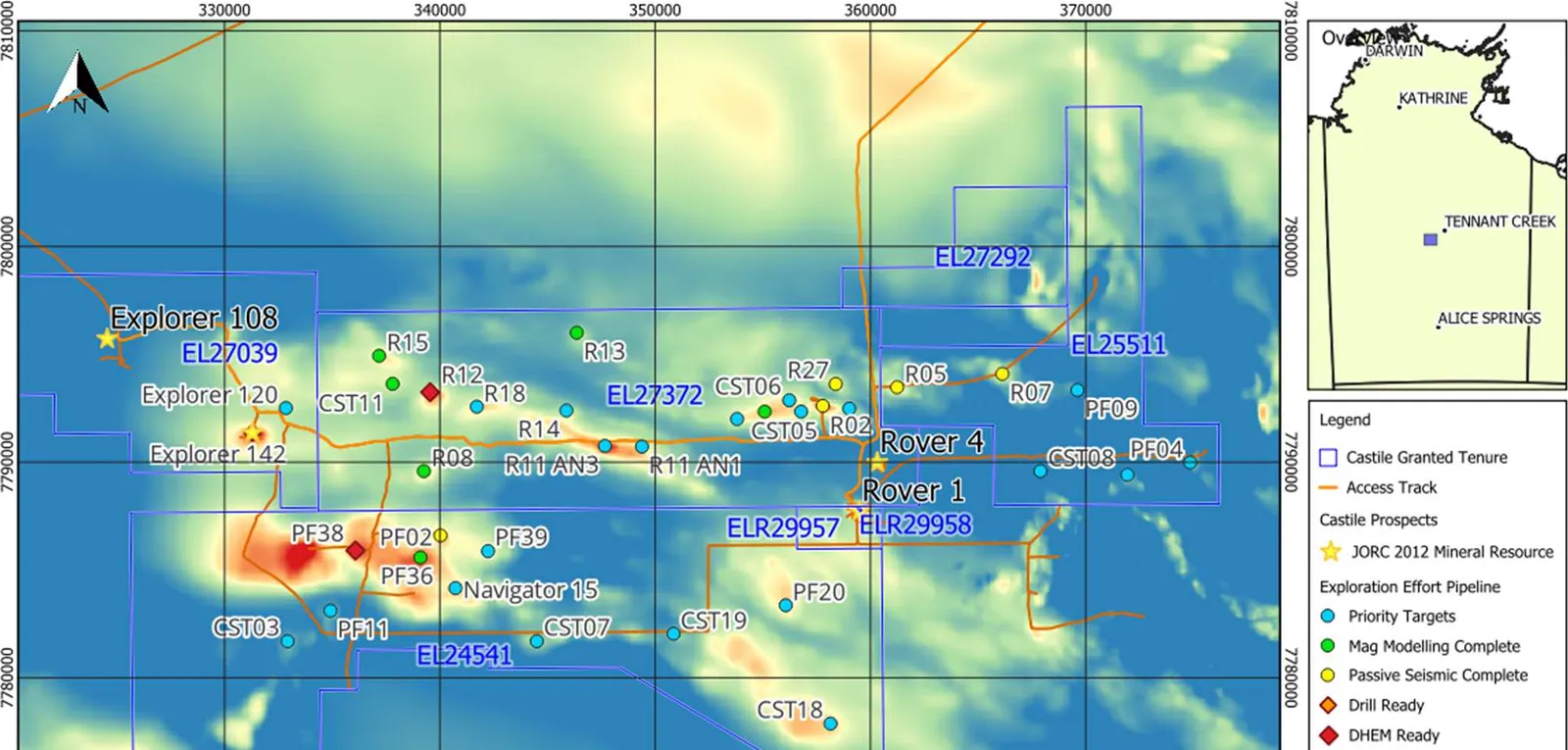
Castile Resources Limited (ASX:CST) has put a substantial valuation marker around its Rover 1 project, reaffirming a base-case pre-tax NPV8 of A$1.0675 billion and a pre-tax IRR of 59%. The study models an underground mine and 750,000-tonne-per-year concentrator producing gold, copper, bismuth, cobalt and high-grade magnetite over an initial 11 years.
The project is forecast to generate A$4.784 billion of revenue and A$1.946 billion of pre-tax cash flow across its initial life, with average annual revenue of A$477.2 million. The upside case lifts pre-tax NPV8 to A$1.477 billion and IRR to 76.9%, although that scenario relies on a different commodity-price deck rather than the flat prices used in the base case. The updated figures build on the August Rover 1 study, which introduced the five-product development concept.
Bismuth broadens the revenue mix, but testwork is unfinished
Bismuth has entered the production profile for the first time and is expected to contribute about A$595 million, or 12% of total revenue. Gold and copper still provide 76% of revenue, while bismuth, magnetite and cobalt together contribute about A$1.16 billion.
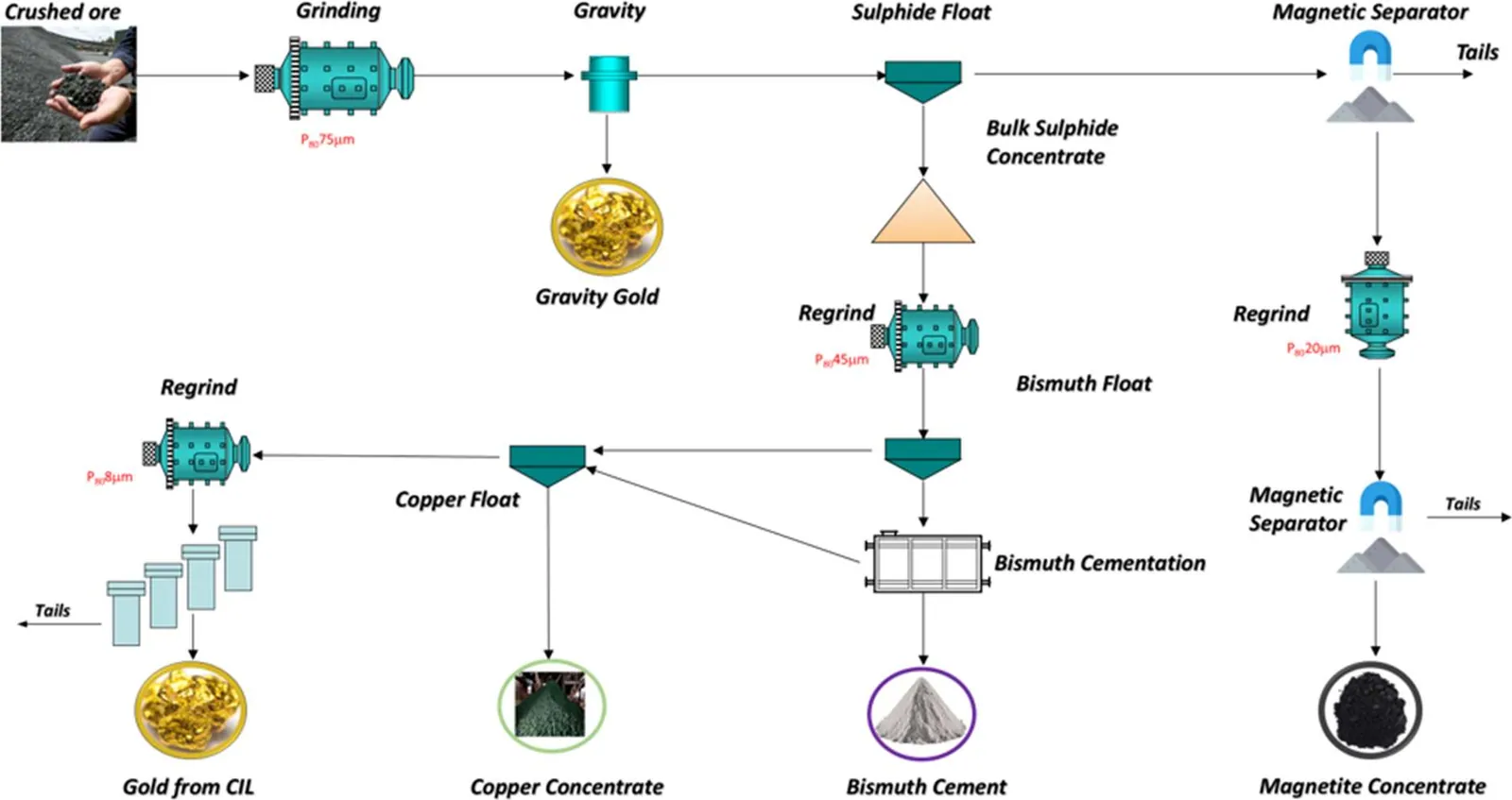
Quarterly testwork delivered what Castile described as strong bismuth recoveries, and the company is assessing whether to produce a bismuth cement product on site. Further bench-scale work is required, alongside regrind testing aimed at recovering additional gold from the proposed gold concentrate. A final pilot plant program will follow those results, meaning the processing route and plant design are not yet settled.
The capital requirement is higher than the headline development figure
Rover 1’s stated pre-production capital is A$170.5 million, including a 10% contingency and described as having an accuracy range of plus or minus 35%. A later Darwin refinery is estimated to require another A$274.9 million and is intended to be funded from Stage 1 cash flow.
However, Castile’s cautionary statement says achieving the study outcomes will likely require about A$246.3 million, including pre-production mining costs. That distinction matters: the A$170.5 million figure is the headline initial capital estimate, while the larger amount is the company’s indicated funding requirement for the outcomes described. Castile is engaging potential finance providers, government representatives, end users and possible joint-venture partners, following the February equity placement that raised A$8.4 million.
Cash supports the next phase, but not construction
Cash stood at A$7.46 million on 30 September, down from A$9.37 million at the previous quarter-end. Exploration and evaluation spending was A$1.593 million during the quarter, while operating cash outflow was A$310,000. At that reported spending rate, the Appendix 5B indicates 3.92 quarters of available funding, with no debt or other financing facilities drawn.
That runway is a measure of current activity, not a funding plan for mine construction. The company says it is well-funded to complete the BFS and planned exploration in the coming months, but the much larger development requirement remains unresolved. Castile also warns that funding may be dilutive, or that a sale, partial sale or joint venture could reduce its ownership of Rover 1.
Exploration and approvals continue alongside the financing process
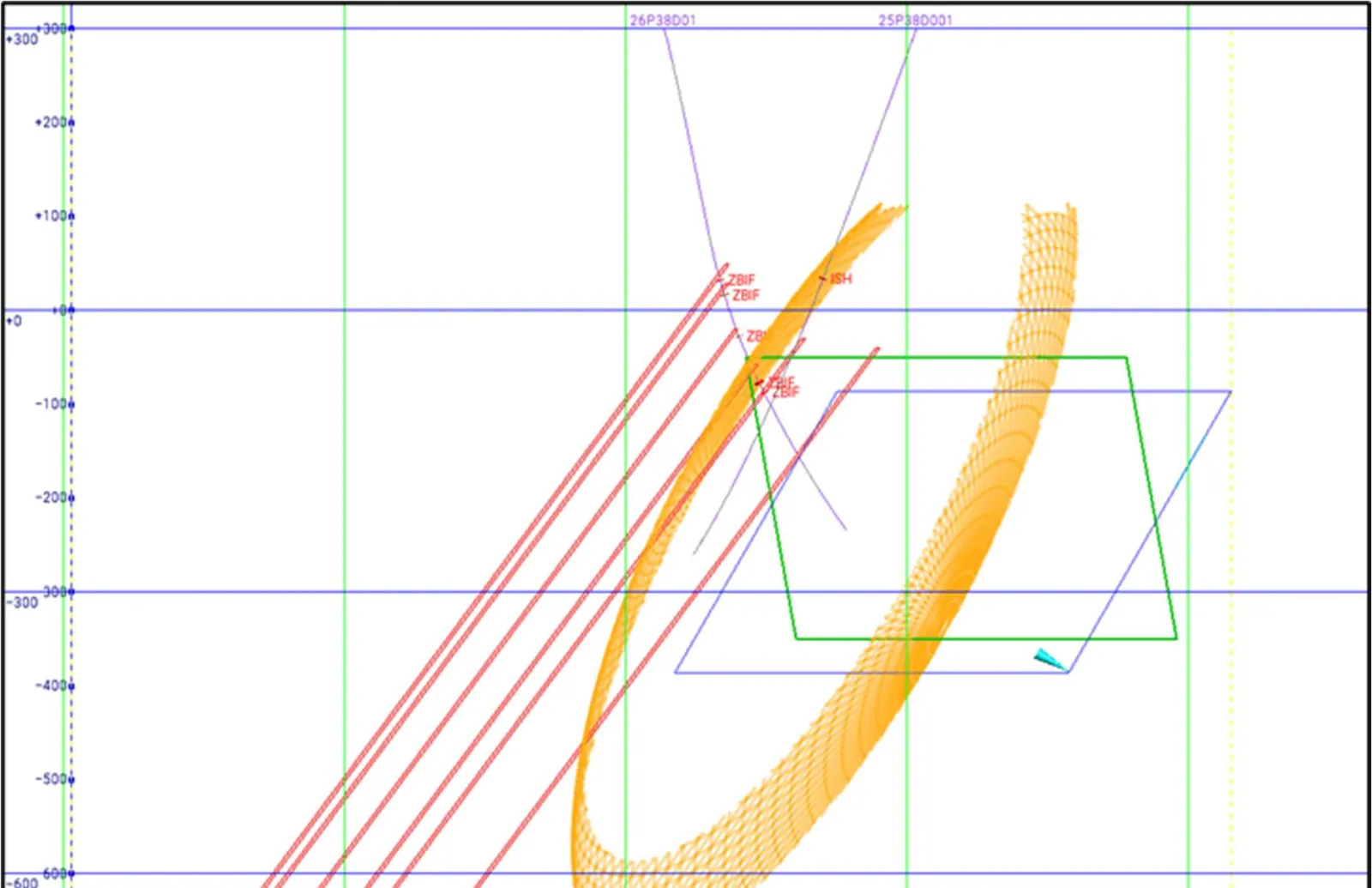
Environmental work has moved into social impact assessment, with engagement involving local groups including the Central Land Council. Groundwater, archaeology, greenhouse-gas modelling and tailings-storage design are also progressing. At Pathfinder 38, drilling stopped at 574 metres after unexpected banded iron formation and magnetite-bearing units were encountered; planned downhole electromagnetic and magnetic surveys are intended to better define the unresolved anomaly before drilling resumes.
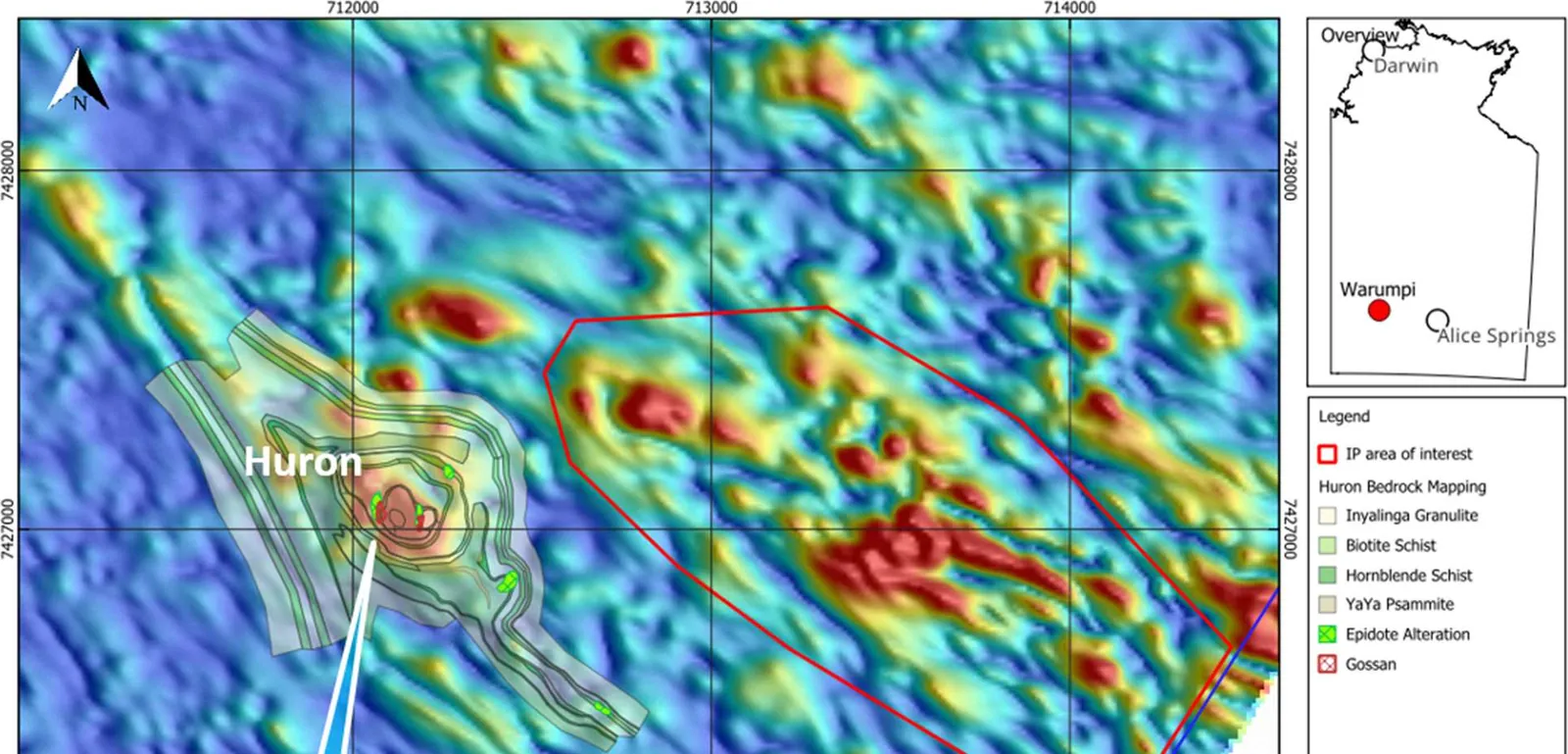
Castile is also advancing mapping and structural work at the Huron prospect within the Warumpi Project, where it plans an induced-polarisation survey over a potentially larger copper-bearing system beneath cover. These programs may add longer-term optionality, but the immediate investment question is more basic: whether the company can convert a compelling preliminary study into completed testwork, a bankable feasibility case, approvals and a credible funding package.
Get ASX:CST news the moment it breaks
 iPhone & iPad
 Android
Bottom Line?
Rover 1 has the economics to attract attention, but the next value-defining milestones are practical ones: final metallurgy, the BFS, approvals and a funding structure that preserves shareholder exposure.
Questions in the middle?
- Can the final bismuth and gold-recovery testwork support the study’s five-product economics at pilot-plant and BFS standard?
- Will Castile secure the approximately A$246.3 million indicated funding requirement without material dilution or reduced project ownership?
- How much of the Rover 1 production target can ultimately be supported by higher-confidence resources rather than Inferred Resources?
Sources
1-
Quarterly Activities/Appendix 5B Cash Flow Report (opens in a new tab)Official market announcement. Castile Resources Ltd · 28 Oct 2026 · castile.com.au