Oceana takes Brazil rare earth project into decisive resource drilling

Oceana Metals is positioning its 100%-owned Serra Negra project in Brazil as a large-scale rare earths opportunity, backed by broad, high-grade exploration results and a four-rig drilling program. The next test is whether those results can be converted into a maiden mineral resource and, eventually, an economically viable project.
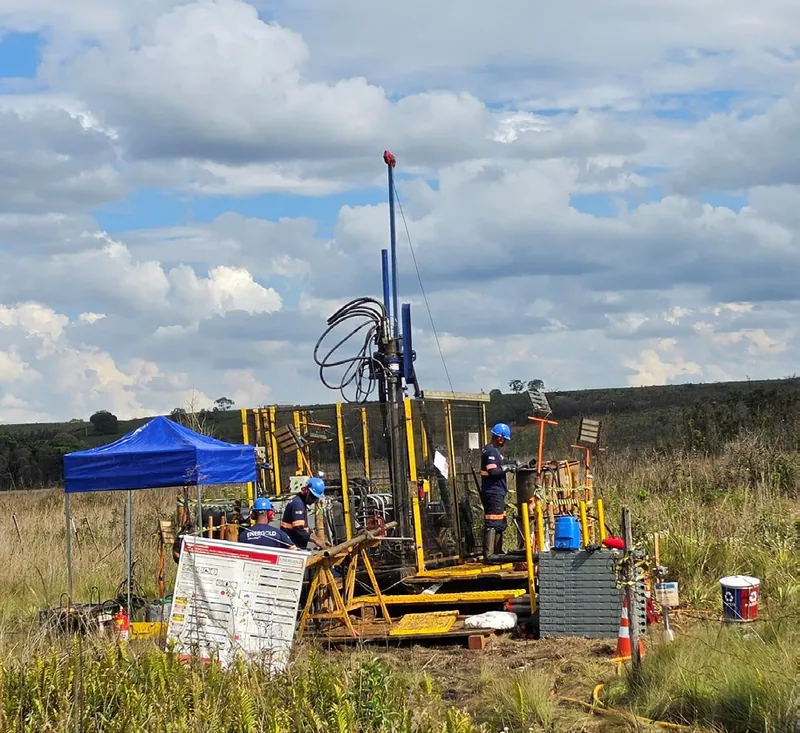
- 20,000-metre, four-rig drilling program focused on an initial resource
- Historic results include 114m at 2.3% TREO and 50m at 4.0% TREO
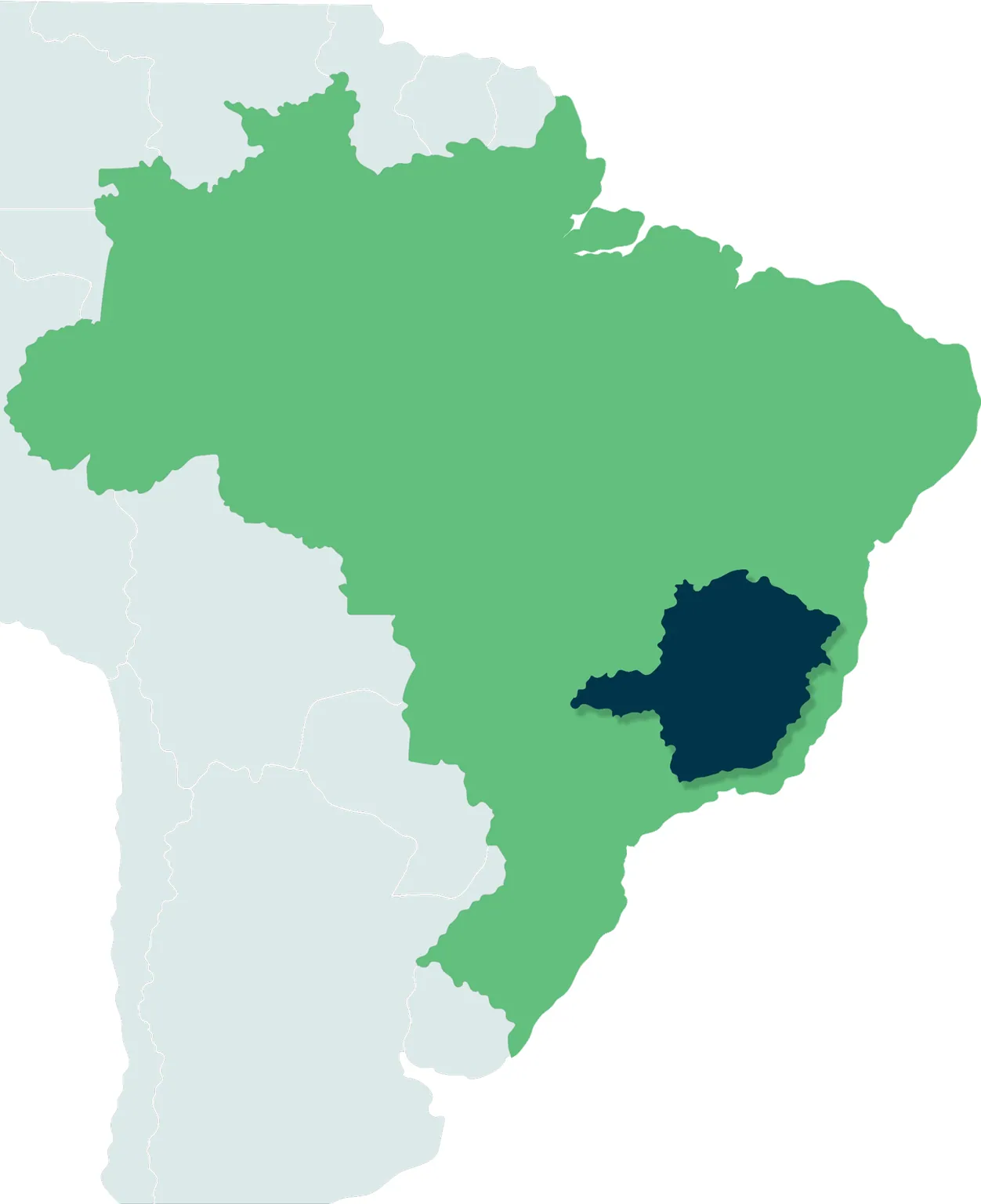
- Serra Negra is a roughly 10-kilometre carbonatite system in Minas Gerais
- Oceana reports approximately A$16.5 million in cash and no debt before ongoing costs
- Metallurgy, permitting and community work remain ahead of any development decision

 Add us as a preferred source on Google
Serra Negra moves from exploration story to resource test
Oceana Metals Limited (ASX:OCN) is putting a substantial drilling budget behind its rare earths thesis in Brazil, with four rigs now working through a 20,000-metre program at the Serra Negra project. The immediate objective is not production, but evidence: establish continuity, scale and geometry across the central mineralised zone before attempting an initial mineral resource estimate.
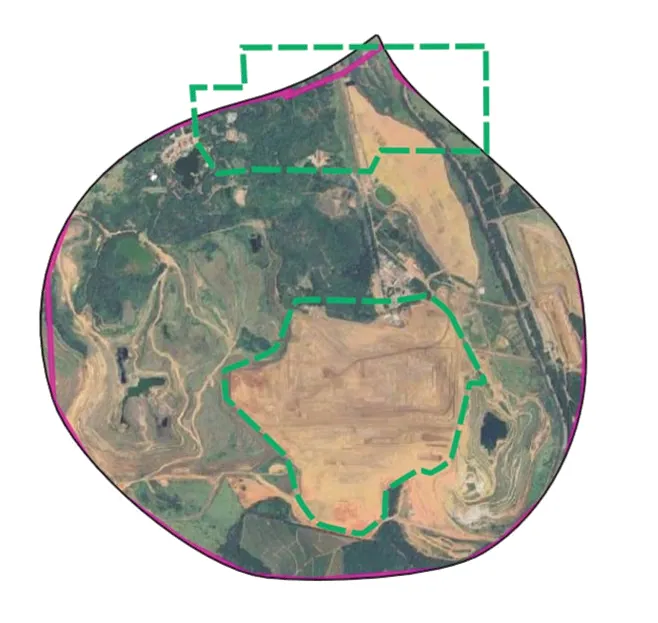
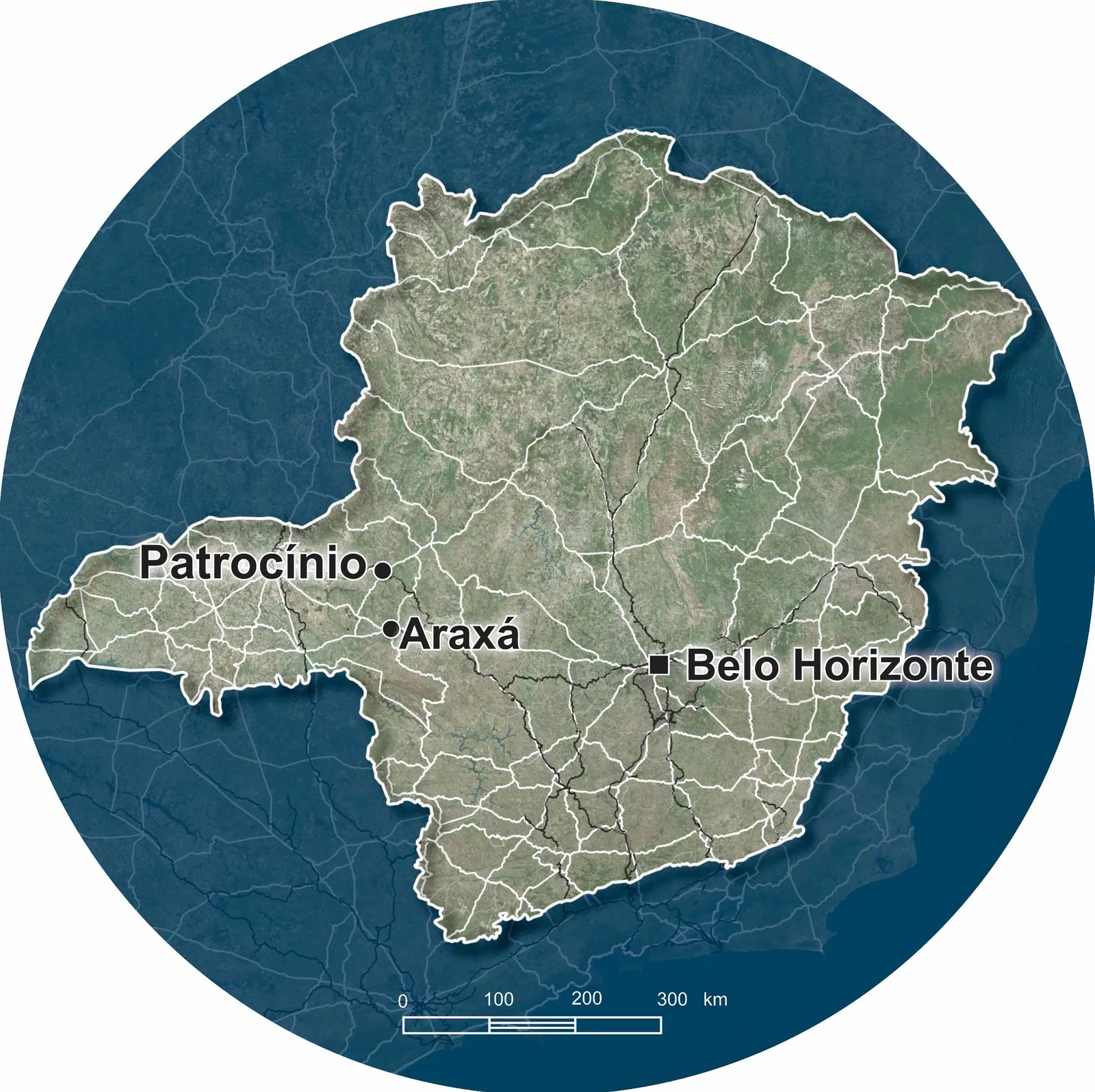
The presentation points to a roughly 10-kilometre-diameter carbonatite complex in Minas Gerais, an established mining region with roads, rail, power, water and nearby operations. Oceana says Serra Negra is 100%-owned and sits around 20 kilometres from Patrocínio, although the project’s geological scale should not be confused with a defined resource or an indication of economic viability.
Historic core delivers high-grade rare earth intervals
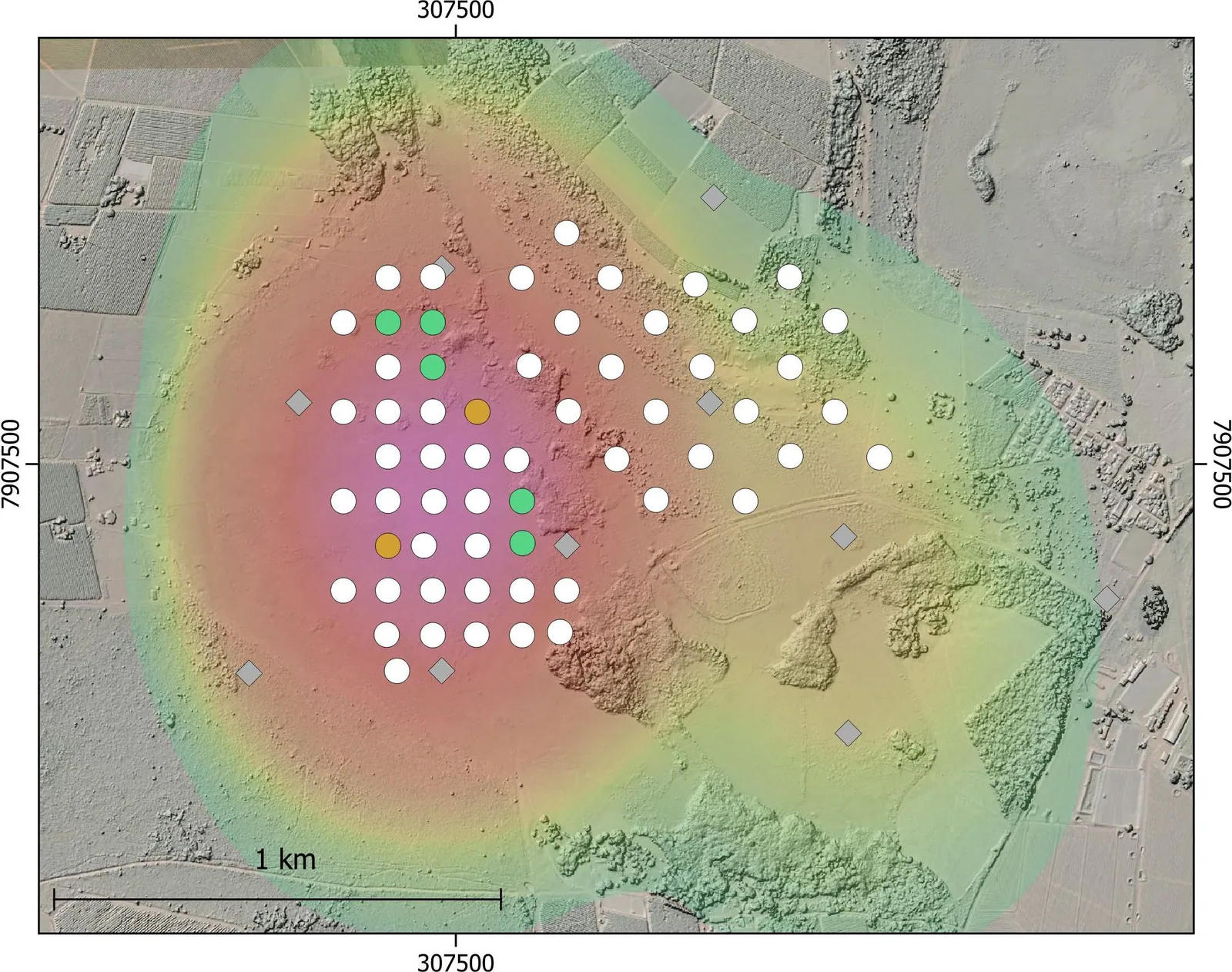
The case rests on re-assaying and interpreting historic drilling that was originally undertaken for phosphate and titanium rather than rare earths. The company says the central target grew by more than 30% after re-assaying, while a separate northern rare earth zone was identified. Reported results include 114 metres at 2.3% total rare earth oxides, including 50 metres at 4.0% TREO, and 84 metres at 2.1% TREO, including 22 metres at 4.7%.
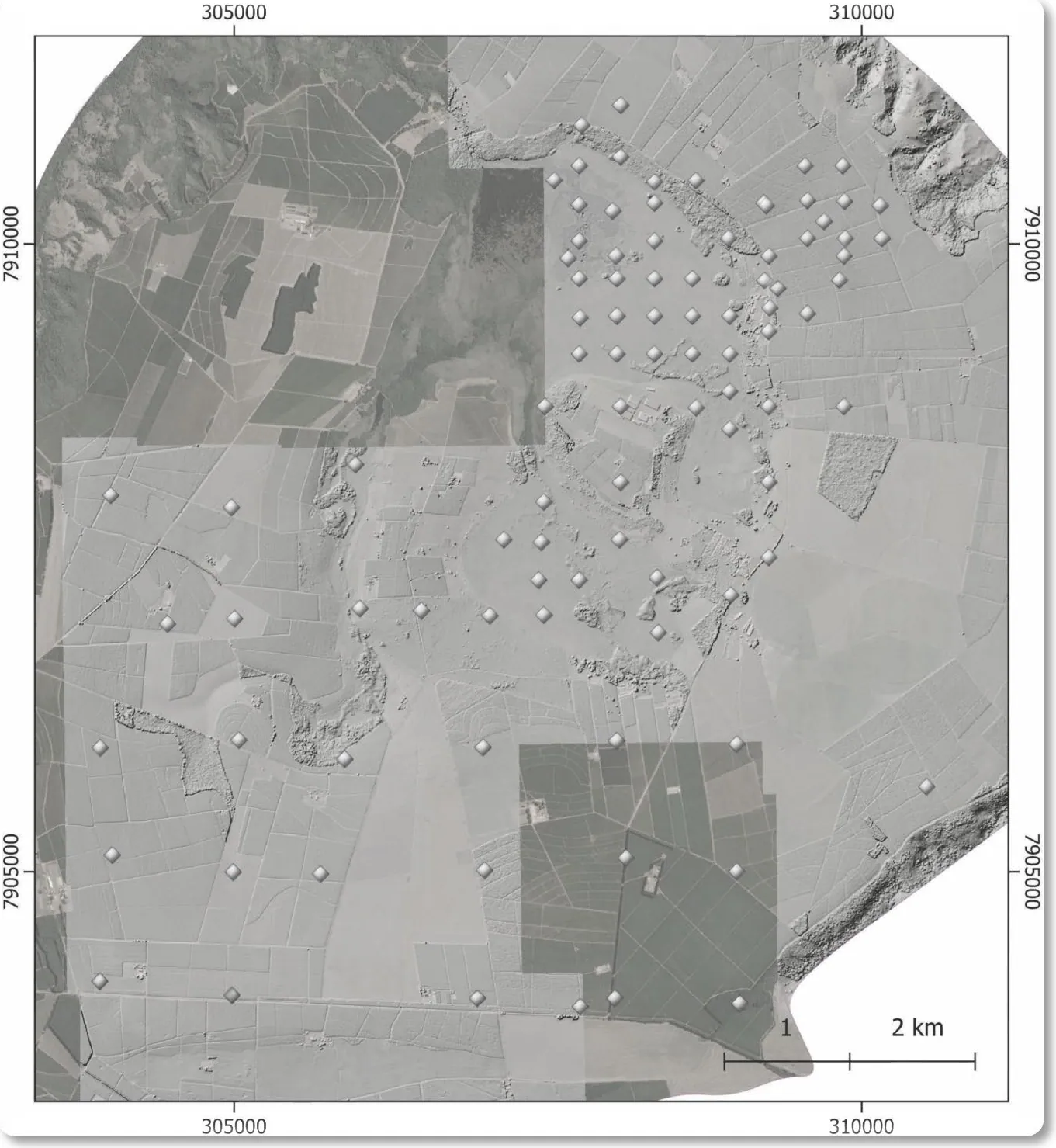
Those numbers are exploration results, not a Mineral Resource. True widths, continuity outside the tested areas, metallurgy and recoveries still need to be established. The presentation also describes broad mineralisation extending over more than 900 metres and NdPr accounting for 18% to 25% of TREO, but these claims remain part of an exploration-stage dataset rather than a completed project assessment. The expanded footprint builds on the new northern REE zone reported in September, when the company said the confirmed mineralisation footprint had exceeded 4.5 square kilometres.
Funding provides runway, not a development guarantee
Oceana’s presentation states that it had approximately A$16.5 million in cash and no debt, based on A$8.15 million at 30 June, A$12.6 million received from a placement tranche before costs, and the deduction of US$2.95 million in upfront acquisition consideration. The figure excludes acquisition and ongoing operational costs, so it is best read as a snapshot supporting the current exploration phase rather than a full funding plan for mine development.
The company’s stated pathway runs from drilling and assays to a maiden resource, then to metallurgy, permitting, community engagement and a pre-feasibility study. Regular drilling and assay updates are expected, with the current program intended to test continuity between historic holes, extend mineralisation at depth and build the dataset required for resource estimation. Oceana’s completed Serra Negra acquisition has turned the project into its central operating asset, according to earlier coverage.
The next valuation test is geological conversion
Rare earths supply-chain diversification gives Serra Negra an attractive strategic narrative, and Oceana points to Brazil’s mining ecosystem and policy focus on critical minerals as advantages. But the investment case now depends less on the size of the geological headline than on conversion: whether drilling confirms a coherent body of mineralisation, whether the mineralogy supports workable processing, and whether permits and local engagement proceed as planned.
The company’s presentation is therefore a roadmap rather than a feasibility result. The next material evidence should come from assays from the 20,000-metre campaign and the eventual maiden resource. Until then, the central question is whether Serra Negra’s impressive intervals describe a mineable system or simply the strongest parts of a much larger and more complicated exploration target.
Get ASX:OCN news the moment it breaks
 iPhone & iPad
 Android
Bottom Line?
The drilling program can add geological definition, but Serra Negra still needs a resource, recoveries, permits and a credible development pathway before its scale becomes investable project value.
Questions in the middle?
- Will drilling confirm continuity and scale beyond the strongest historic intercepts?
- Can metallurgical test work demonstrate recoveries and a viable processing route for the rare earth mineralisation?
- How much additional capital will Oceana require after the initial resource to fund studies, permitting and development?
- Will the company’s cash position cover the full exploration program once acquisition and ongoing operating costs are included?
Sources
1-
Oceana Non-Deal Roadshow Investor Presentation (opens in a new tab)Verified source. Oceana Metals Limited · 28 Oct 2026 · clients3.weblink.com.au