Vitrafy Builds US Blood Network as FDA Device Listing Nears

Vitrafy has expanded its US blood and cell therapy partnerships while preparing Guardion for a planned medical device listing by the end of 2026. The company ended September with A$38.3 million in cash and term deposits, but expects spending to rise as validation and manufacturing accelerate.
- Third US civilian blood partnership signed with Versiti
- Exposure to approximately 17% of US civilian blood collection sites
- Charter Medical agreement opens US cell and gene therapy channel
- FDA medical device listing remains planned for end-2026
- A$4.9 million quarterly operating cash outflow and 7.9 quarters of pro forma funding
 Add us as a preferred source on Google
Three US Blood Partnerships Reach 179 Collection Sites
Vitrafy Life Sciences Limited (ASX:VFY) has broadened its US commercial footprint to approximately 17% of civilian blood collection sites, with partnerships covering about 179 fixed-point locations that collectively handle roughly 2.4 million blood units a year.
The network now includes Vitalant, Hoxworth Blood Center and Versiti Blood Health. The latest agreement, announced on 30 September, will initially place two Guardion cryopreservation devices at Versiti’s Blood Research Institute in Milwaukee, supporting development of no-wash platelet cryopreservation. Versiti will also supply blood products and resources for validation studies covering currently approved cryopreserved products, including plasma. The quarter also advanced the Versiti blood partnership, which was previously described as generating no immediate revenue and remaining subject to US regulatory requirements.
Charter Agreement Extends Guardion Into Cell Therapy
Vitrafy also entered the US cell and gene therapy market through an agreement with Charter Medical. A Guardion device and the company’s LifeChain software will be installed at Charter’s North Carolina Innovation Hub for cryopreservation and freeze-curve optimisation studies for Charter’s customers.
The arrangement creates an opportunity for Vitrafy to demonstrate its technology to therapy developers and manufacturers and explore longer-term commercial relationships. It is an expansion of the company’s addressable market rather than evidence of established commercial revenue from the program; the Charter Medical agreement was previously reported as an initial deployment with no immediate revenue.
FDA Listing Work Moves Toward Mandatory Validation
Vitrafy completed nine Guardion devices during the quarter, with all units intended for existing partners or medical device testing. Six more units are planned for construction in the first half of FY2027, with deliveries scheduled across October and November.
Verification work for the planned US medical device listing is progressing, while mandatory validation studies on blood products are about to begin with an initial focus on plasma. USAISR and Bio Bridge Global are supporting the work. Vitrafy says listing remains on track for the end of 1H FY2027, and its broader outlook targets the end of 2026. Neither milestone has yet been completed.
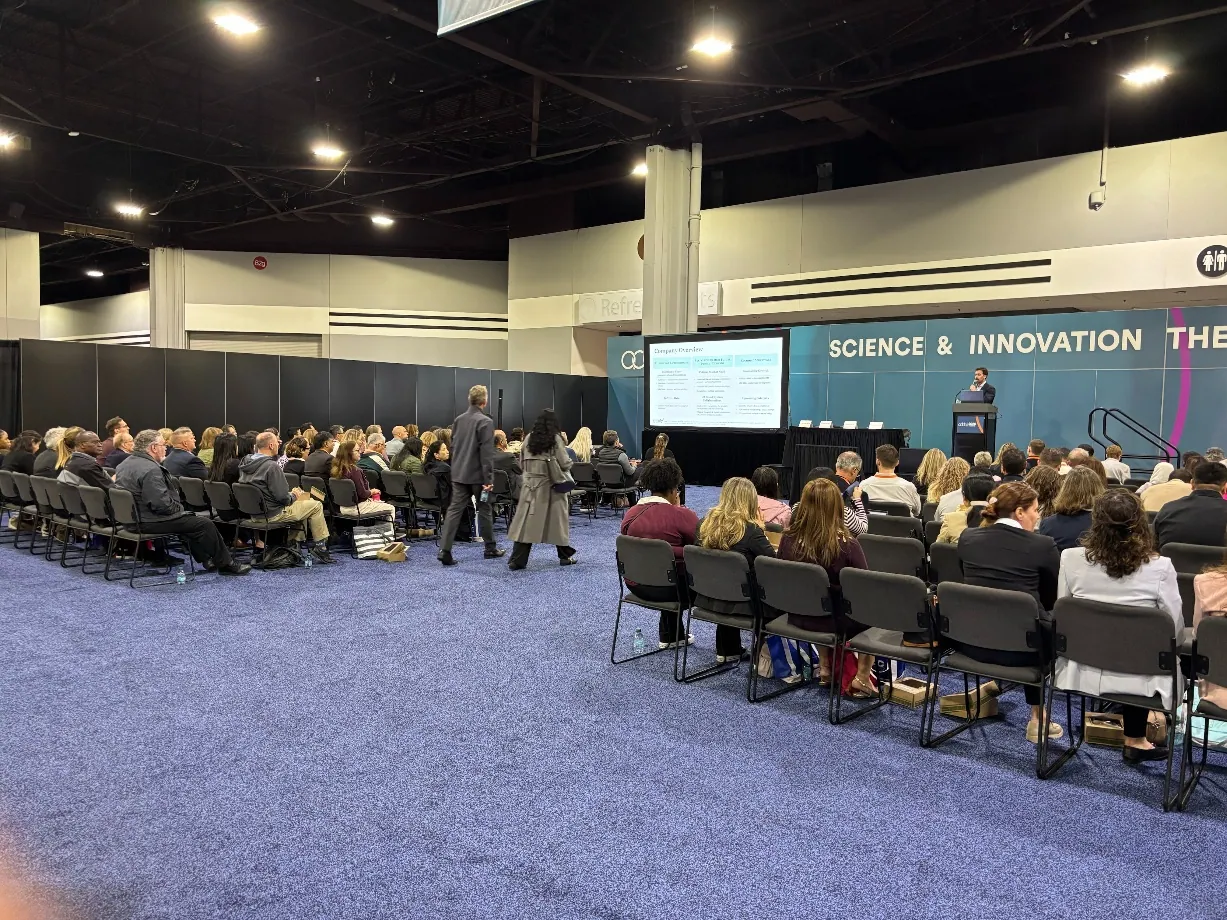
At the AABB annual meeting in Atlanta, USAISR presented Phase II in-vitro platelet study results showing 94.4% mean post-thaw platelet recovery under a 3% DMSO no-wash protocol. The filing presents that external presentation as third-party validation of the ecosystem, but the result comes from the stated study conditions and does not by itself establish regulatory clearance or commercial adoption.
A$38.3 Million Liquidity Buffer Meets Rising Investment
Vitrafy held A$38.3 million in cash and term deposits at 30 September. The Appendix 4C reported A$23.174 million in cash and cash equivalents, plus a further A$15 million in term deposits classified as short-term investments. Net operating cash outflow was A$4.857 million for the quarter, with customer receipts of A$113,000, government grants and tax incentives of A$328,000, and interest received of A$364,000.
The company’s reported funding calculation shows 4.8 quarters based on cash and unused facilities, rising to 7.9 quarters on a pro forma basis including the additional term deposits. Average monthly cash burn was approximately A$1.9 million, and Vitrafy expects cash costs to increase as it funds validation, US commercial expansion, manufacturing capacity and the initial medical device fleet. The next test is whether those investments convert partnership activity into paid deployments before the additional spending materially shortens the runway.
Get ASX:VFY news the moment it breaks
 iPhone & iPad
 Android
Bottom Line?
Vitrafy has assembled a credible US evaluation network, but the investment case now turns on completing listing work and converting partner trials into commercial orders before the planned manufacturing ramp raises cash demands.
Questions in the middle?
- Can Vitrafy complete the Guardion medical device listing within its stated end-2026 or end-1H FY2027 window?
- When will the Versiti, Vitalant, Hoxworth and Charter programs produce paid commercial relationships?
- How sharply will cash burn increase as US manufacturing, validation and commercial operations scale through 2027?
Sources
1-
Q1 FY27 Quarterly Activities Report and Appendix 4C (opens in a new tab)Official market announcement. Vitrafy Life Sciences Limited · 28 Oct 2026 · vitrafy.com