Bindi extends Ravni gold zone as new targets emerge

Bindi Metals has expanded its key Drenjak gold intersection in Serbia to 8 metres at 13.1 g/t gold, while identifying further silver and nickel-cobalt targets at Ravni. The exploration progress comes with only A$459,000 in cash and a stated 0.38 quarters of funding, putting the next drilling phase behind a potential capital raising.
- Drenjak intersection expanded to 8m at 13.1 g/t Au, including 2m at 42.3 g/t
- Rudnjak North returned 5m at 71.1 g/t Ag and 16.4m at 1.1% Ni
- Bucje sampling outlined a prospective 2km gold trend
- Biloela sale completed for Jacaranda shares, milestones and royalty exposure
- Quarter-end cash was A$459,000, with equity funding under consideration

 Add us as a preferred source on Google
Drenjak Gold Intersection Expands
Bindi Metals Limited (ASX:BIM) has strengthened the geological case for its Ravni project in Serbia, but the company will need to solve a near-term funding problem before it can properly follow up. Final assays from hole RAV26011 expanded the Drenjak intersection to 8 metres at 13.1 g/t gold from 47 metres, including 3 metres at 30.0 g/t and 2 metres at 42.3 g/t.
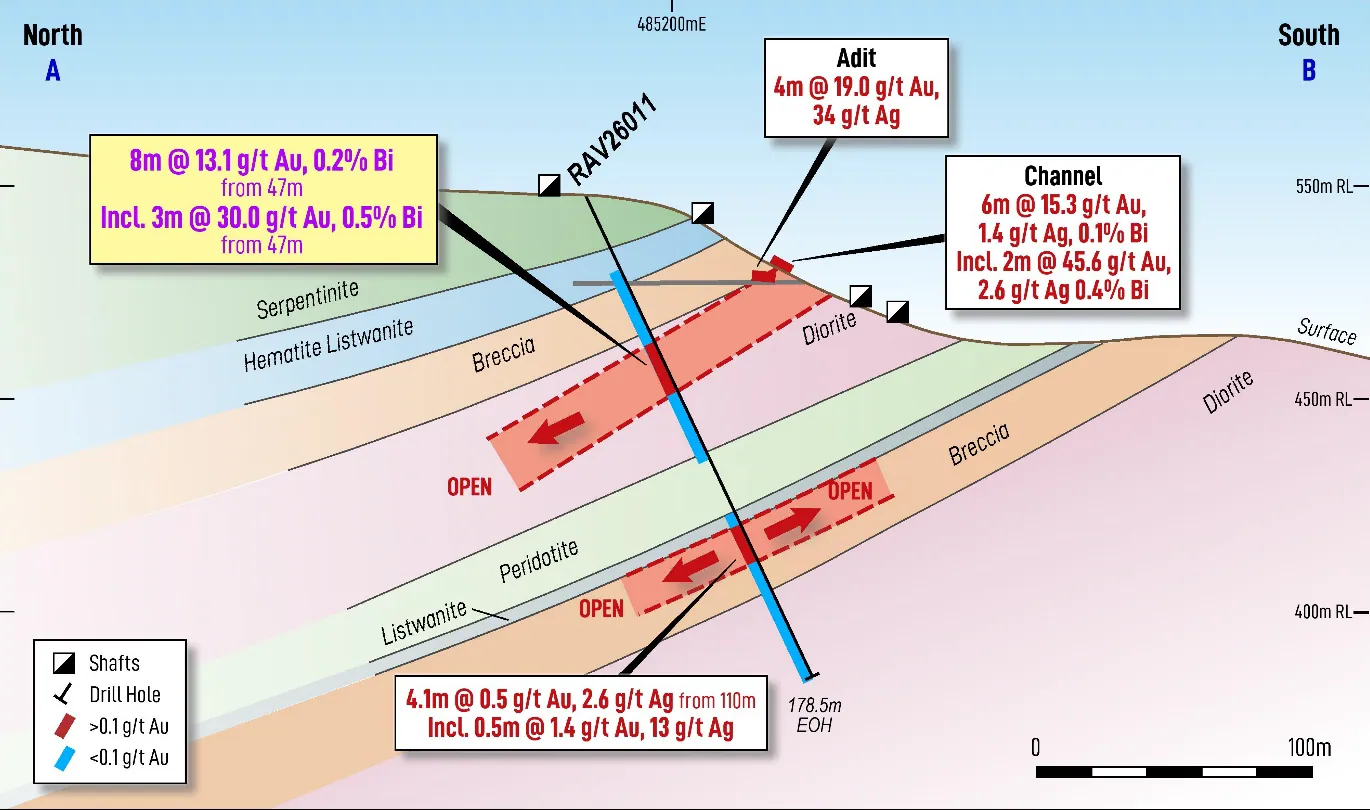
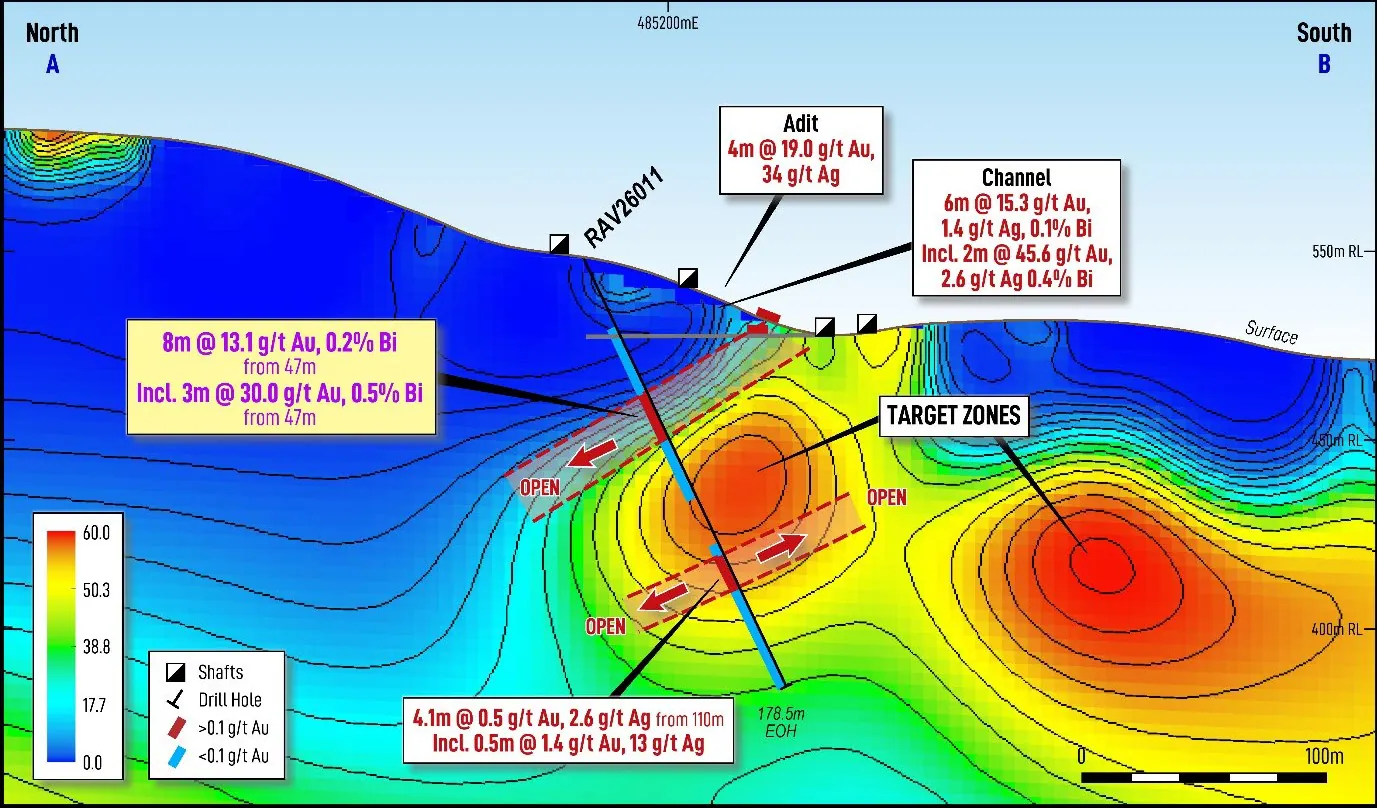
The result builds on the earlier 2-metre intersection at 21.6 g/t gold and sits about 100 metres from surface channel sampling that returned 6 metres at 15.3 g/t. Bindi said the mineralised zone remains open and is associated with an induced polarisation chargeability anomaly above 60 mV/V, while a second high-chargeability target to the south remains untested. The company cautions that all drill intervals are downhole lengths and true widths have not yet been established.
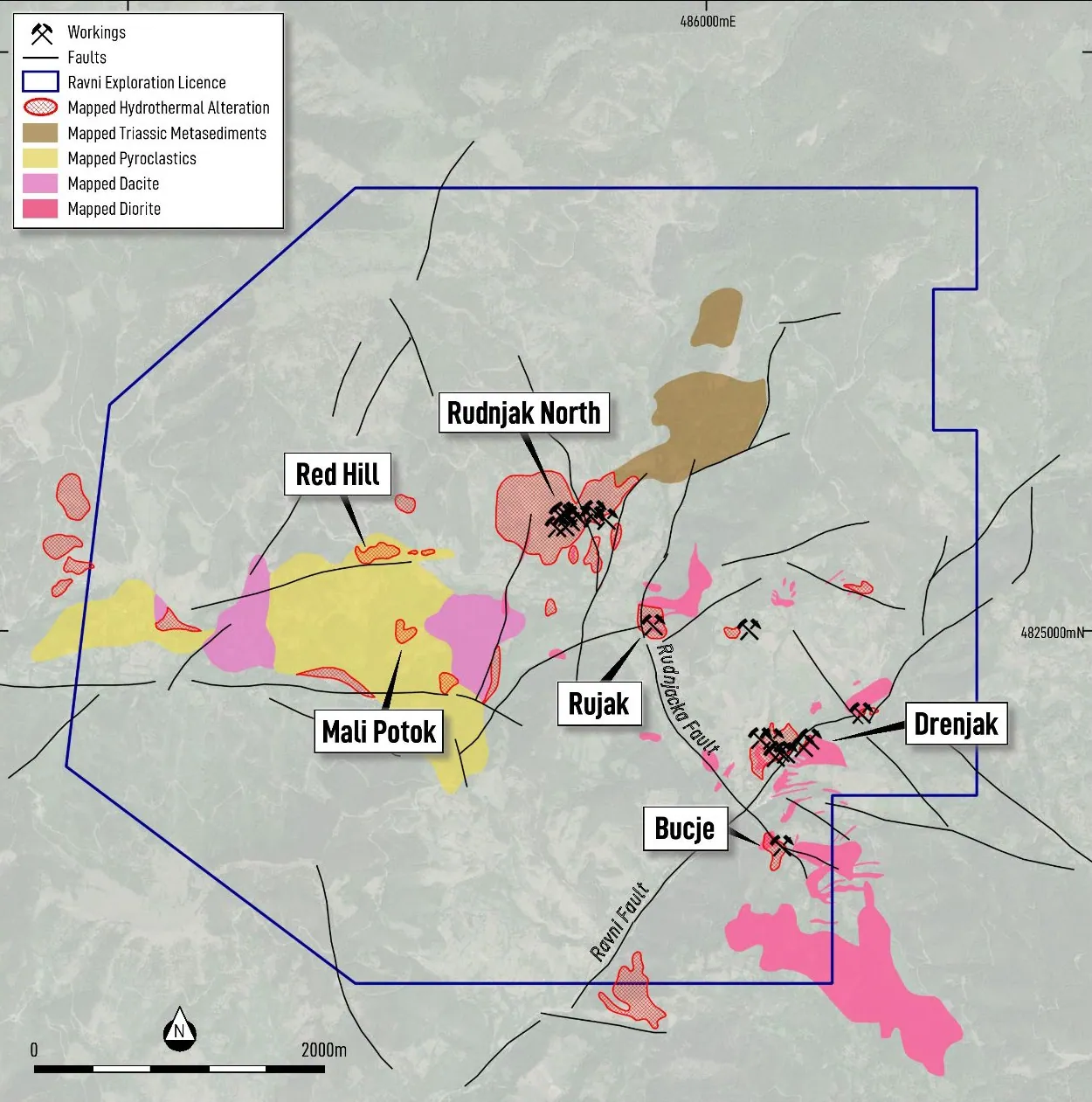
The result completes a maiden programme of 14 diamond holes totalling 2,159.4 metres across four Ravni prospects. The campaign had already established a maiden Ravni drilling programme with high-grade gold and silver results, but difficult ground conditions caused poor core recovery in some earlier holes. Bindi said the larger rig used for RAV26011 improved recovery and allowed a more effective assessment of the high-grade zone.
Silver and Nickel Add More Targets
At Rudnjak North, hole RAV26010 returned 5 metres at 71.1 g/t silver from 112.8 metres, including 1 metre at 341 g/t. All three holes at the prospect intersected more than 80 metres of vuggy silica, pyrite and breccia alteration, which Bindi interprets as the upper levels of a high-sulphidation epithermal system. The extent and continuity of the silver mineralisation have not yet been established.
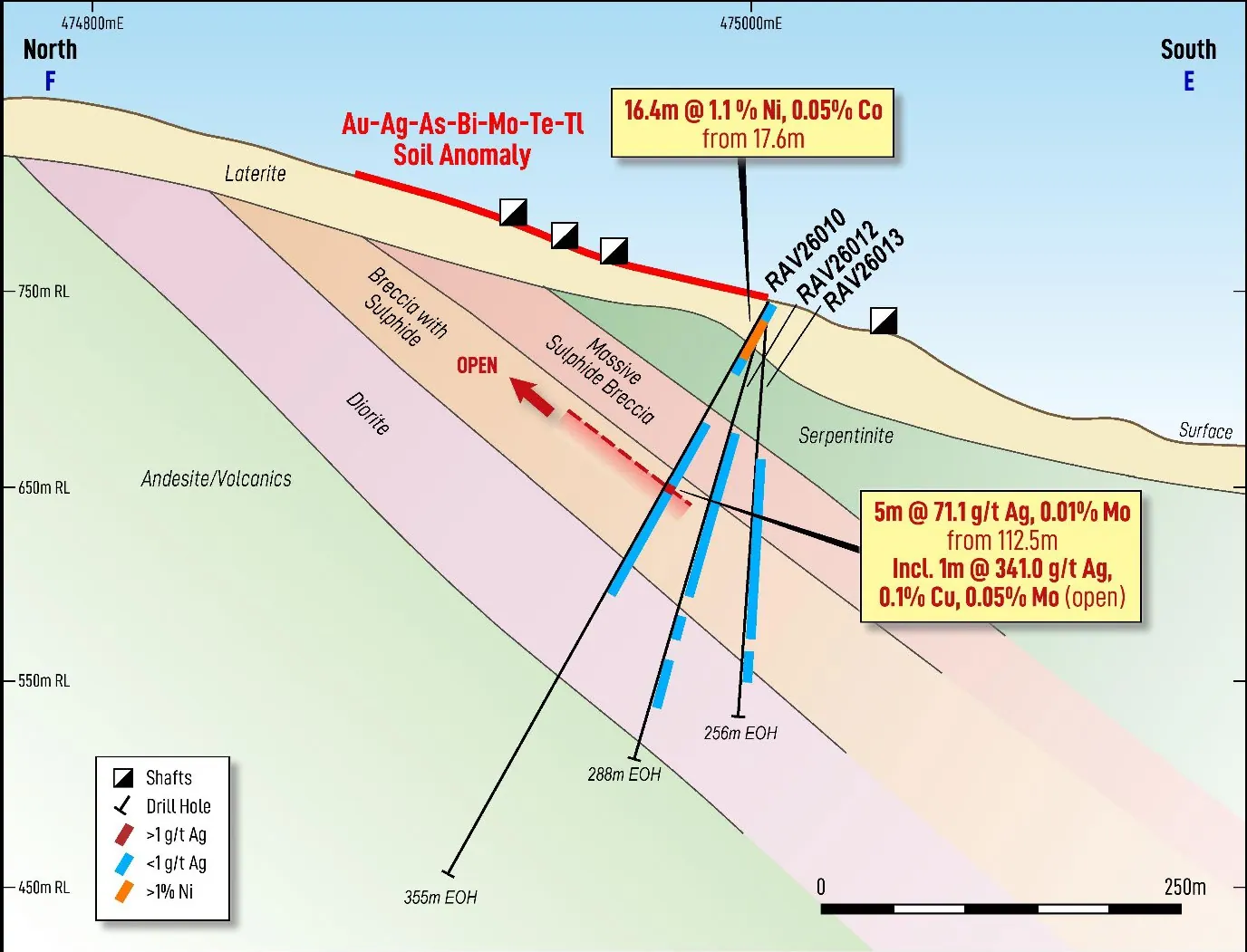
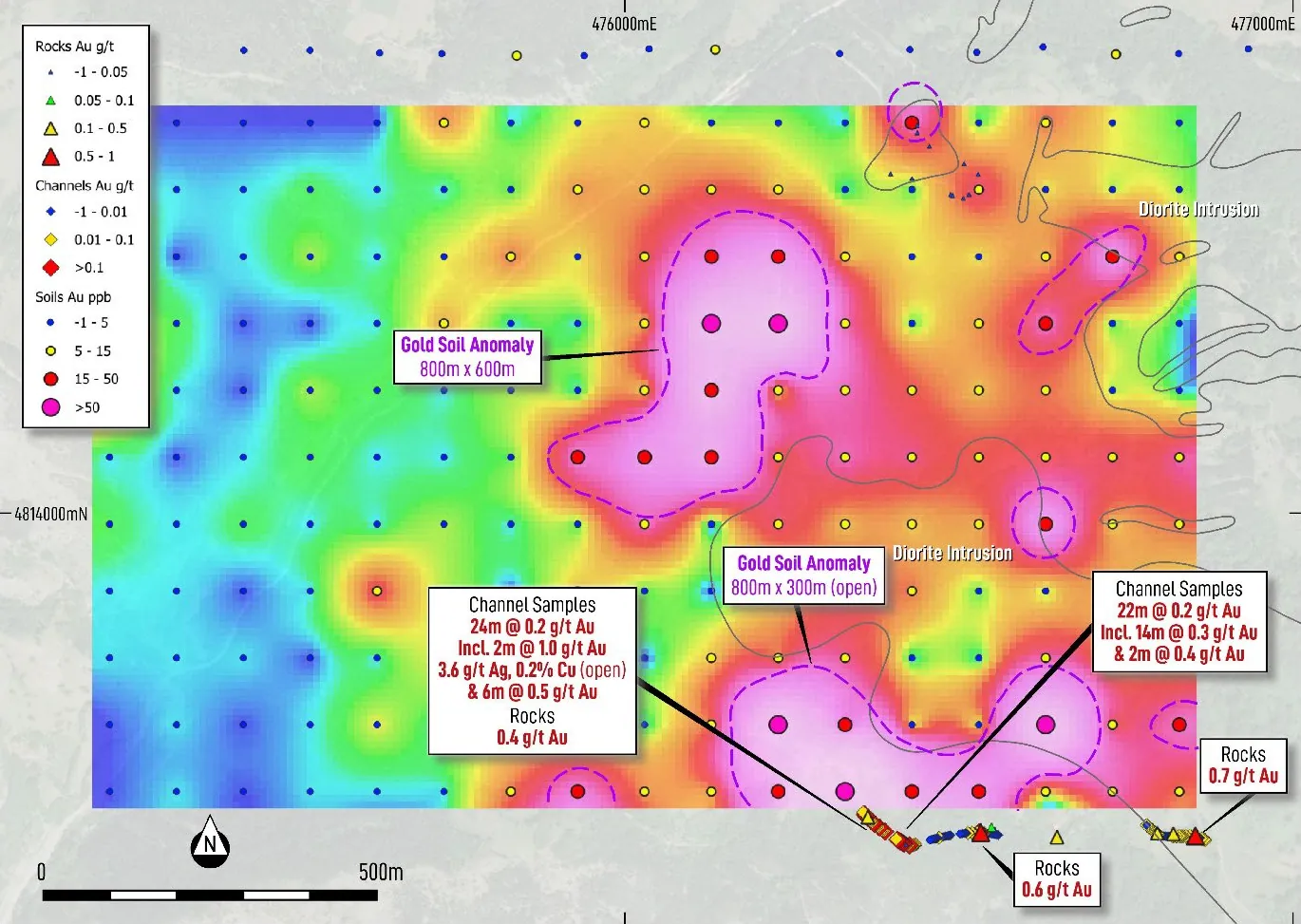
The same hole also produced a separate near-surface interval of 16.4 metres at 1.1% nickel and 0.05% cobalt from 17.6 metres in weathered ultramafic rocks. At Bucje, channel sampling returned gold-bearing intervals within an approximately 2km prospective trend along a diorite intrusive contact, including 24 metres at 0.2 g/t gold and 6 metres at 0.5 g/t. Bucje has not yet been tested by drilling.
Ravni Follow-Up Depends on Funding
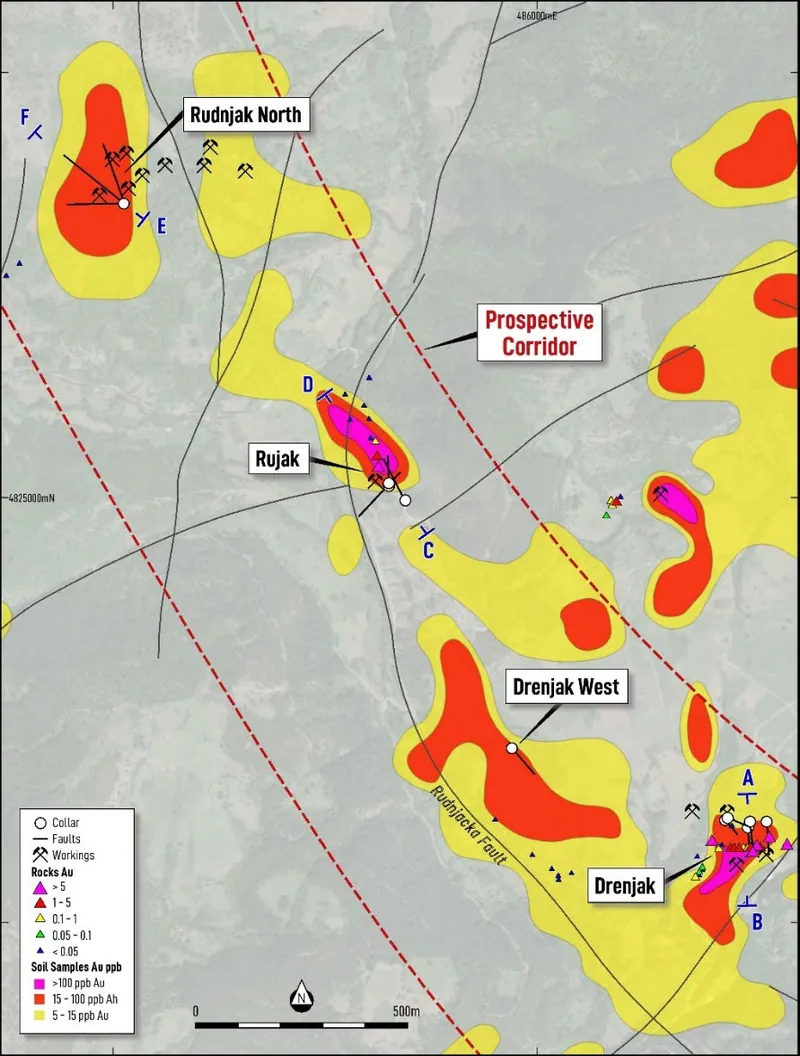
Bindi is now reviewing its geological, geochemical, geophysical and structural data before setting priorities for follow-up work. The company plans to assess extensions at Drenjak and Rudnjak North, reinterpret the fault-displaced target at Rujak and refine potential drill targets at Bucje. Any staged programme remains subject to funding, approvals and technical prioritisation.
That qualification is central to the quarterly report. Bindi ended September with A$459,000 in cash after spending A$1.004 million on exploration and evaluation, mainly on Ravni, and A$211,000 on administration and corporate costs. The cash flow statement puts estimated funding at 0.38 quarters based on the quarter's outgoings. Bindi said the September spending included the completed diamond programme, so exploration expenditure should be materially lower in the next quarter, but it is assessing funding options including a potential equity raising. No funding arrangement has been committed.
Biloela Sale Removes One Commitment
The company completed the sale of its Biloela project to Jacaranda Natural Resources on 26 October, after shareholder approval in September. Bindi received 1.25 million Jacaranda shares valued at A$250,000, subject to a 12-month escrow, and retains potential milestone consideration of up to A$650,000 in Jacaranda shares plus a 2% net smelter return royalty. The divestment follows the Biloela sale agreement and is intended to focus management and exploration expenditure on Ravni.
Bindi also said Canamera Energy Metals had secured a three-year permit and was progressing a planned 1,500-metre maiden drilling programme at Schryburt Lake in Ontario, with a proposed C$1.7 million budget contributing to its earn-in obligations. Meanwhile, the Lisa exploration licence application remains unresolved after the vendor appealed to the Serbian Administrative Court, leaving Bindi to review both the application and its contractual position.
Get ASX:BIM news the moment it breaks
 iPhone & iPad
 Android
Bottom Line?
The assays improve Ravni's exploration case, but the next meaningful test is whether Bindi can secure funding without materially diluting shareholders before follow-up drilling begins.
Questions in the middle?
- What funding structure will Bindi pursue, and on what terms, given the 0.38-quarter cash runway?
- Can follow-up drilling establish the true widths, continuity and scale of the Drenjak and Rudnjak North mineralisation?
- What value and liquidity will Bindi ultimately realise from its escrowed Jacaranda shares, milestones and retained royalty?
Sources
1-
Quarterly Activities/Appendix 5B Cash Flow Report (opens in a new tab)Official market announcement. Bindi Metals Limited · 28 Oct 2026 · bindimetals.com.au