Beacon’s Jaurdi mill starts early upgrade as gold output rises

Beacon Minerals delivered a stronger September quarter, producing 6,250 ounces and recording A$21.6 million in net mine cash flow as throughput improved at its Jaurdi mill. The next test is whether the upgraded plant can sustain higher processing rates while the company advances its larger Iguana growth plan.
- 6,250 ounces produced at A$4,531/oz AISC
- Mill throughput rose to 265,877 tonnes
- A$49.78 million in quarterly gold receipts
- Jaurdi tank upgrade entered wet commissioning early
- 21,430 ounces held in reported ore stocks
 Add us as a preferred source on Google
September Production and Cash Flow Improve
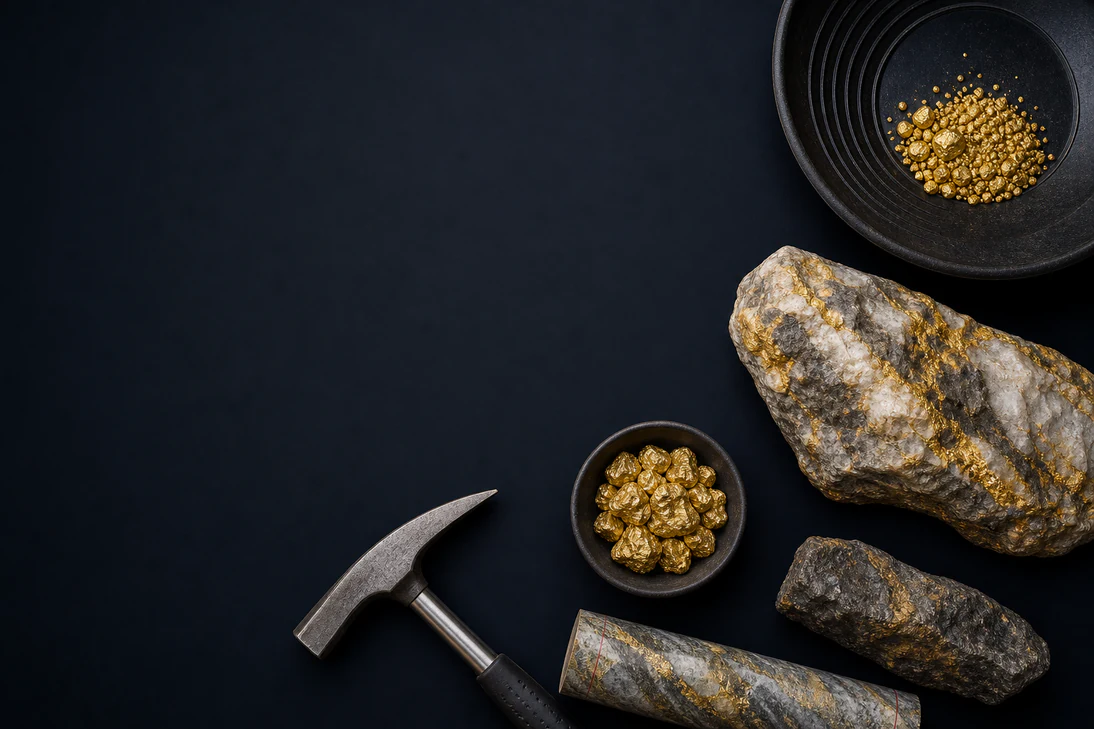
Beacon Minerals Limited (ASX:BCN) increased September-quarter gold production by 19% from the June quarter to 6,250 ounces, while processing 265,877 dry tonnes at its Jaurdi mill. The improvement came with an all-in sustaining cost of A$4,531 per ounce and quarterly cash operating costs of A$3,796 per ounce.
Gold sales were stronger than production at 8,300 ounces, generating A$49.78 million in receipts at an average realised price of A$5,998 per ounce. Beacon reported net mine cash flow of A$21.6 million for the quarter, although the period also included A$5.63 million in income tax payments, A$1.17 million in hire-purchase repayments and an A$11.63 million fully franked cash dividend.
Jaurdi Mill Upgrade Moves Into Wet Commissioning
Mill throughput rose 13% from June, according to managing director and chairman Graham McGarry, with the plant processing a blend of Iguana and Geko ore at an annualised rate of about 1.06 million tonnes. The company said the expanded tank farm was essentially complete at quarter-end, and wet commissioning began on 13 October ahead of schedule.
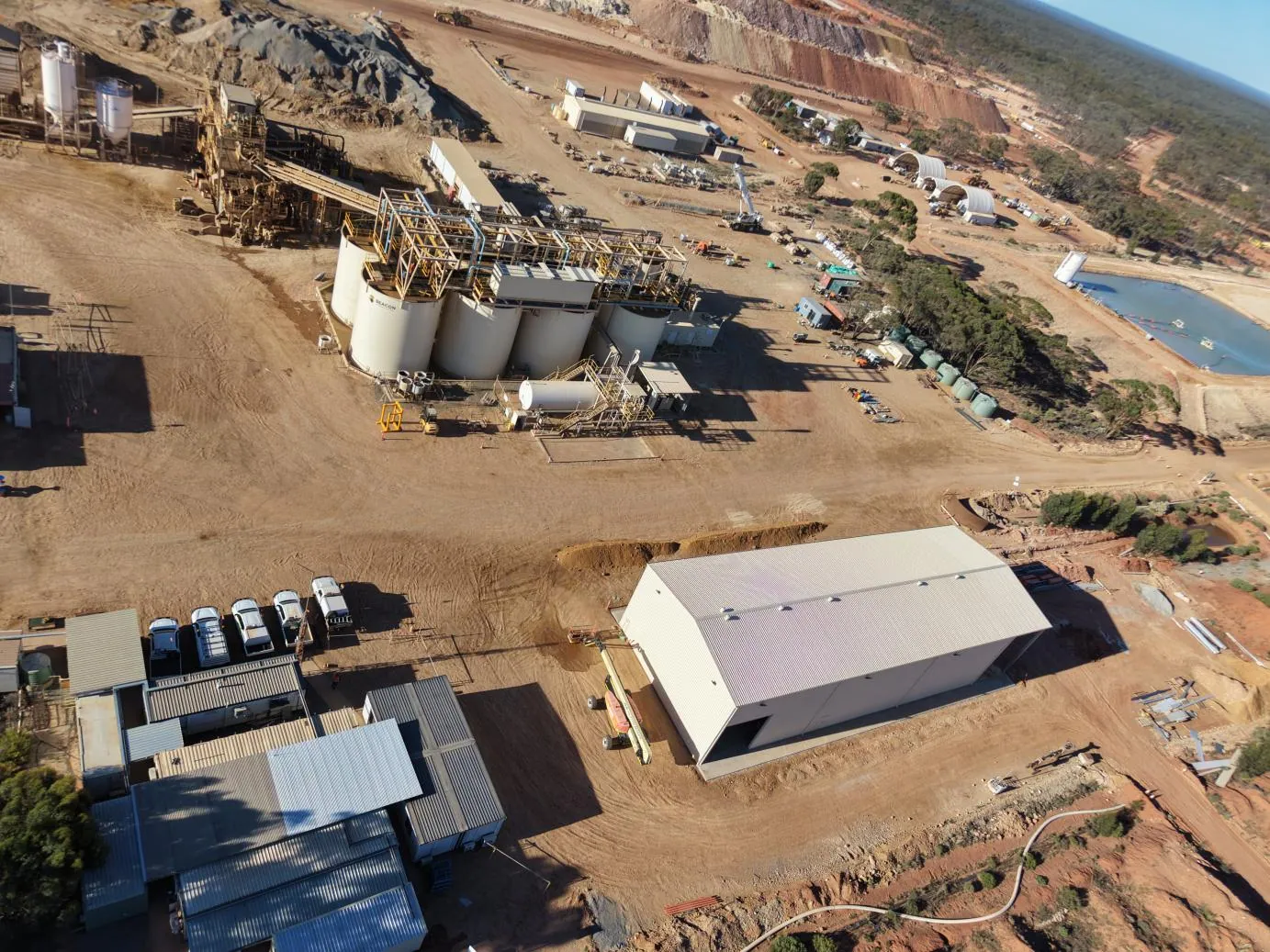
Initial commissioning weeks have achieved milling rates of 1.2 million tonnes per annum, Beacon said. That is an early operating observation rather than evidence of a sustained run-rate, but it gives the December quarter a clear operational test. The company has guided to production of 5,500 to 6,500 ounces for that period. The plant upgrade was previously reported as scheduled for commissioning in November in the company’s Jaurdi mill upgrade plan, making the earlier start a notable change in timing.
Ore Stocks and Water Infrastructure Build Capacity
Beacon held 1.143 million tonnes of reported ore stocks at 30 September, containing 21,430 ounces. Geko accounted for 391,000 tonnes and 9,430 ounces, while Iguana contributed 119,000 tonnes at 2,800 ounces plus 511,000 tonnes of lower-grade mineralised stockpiles containing 6,500 ounces that are not currently planned for processing but remain under evaluation.
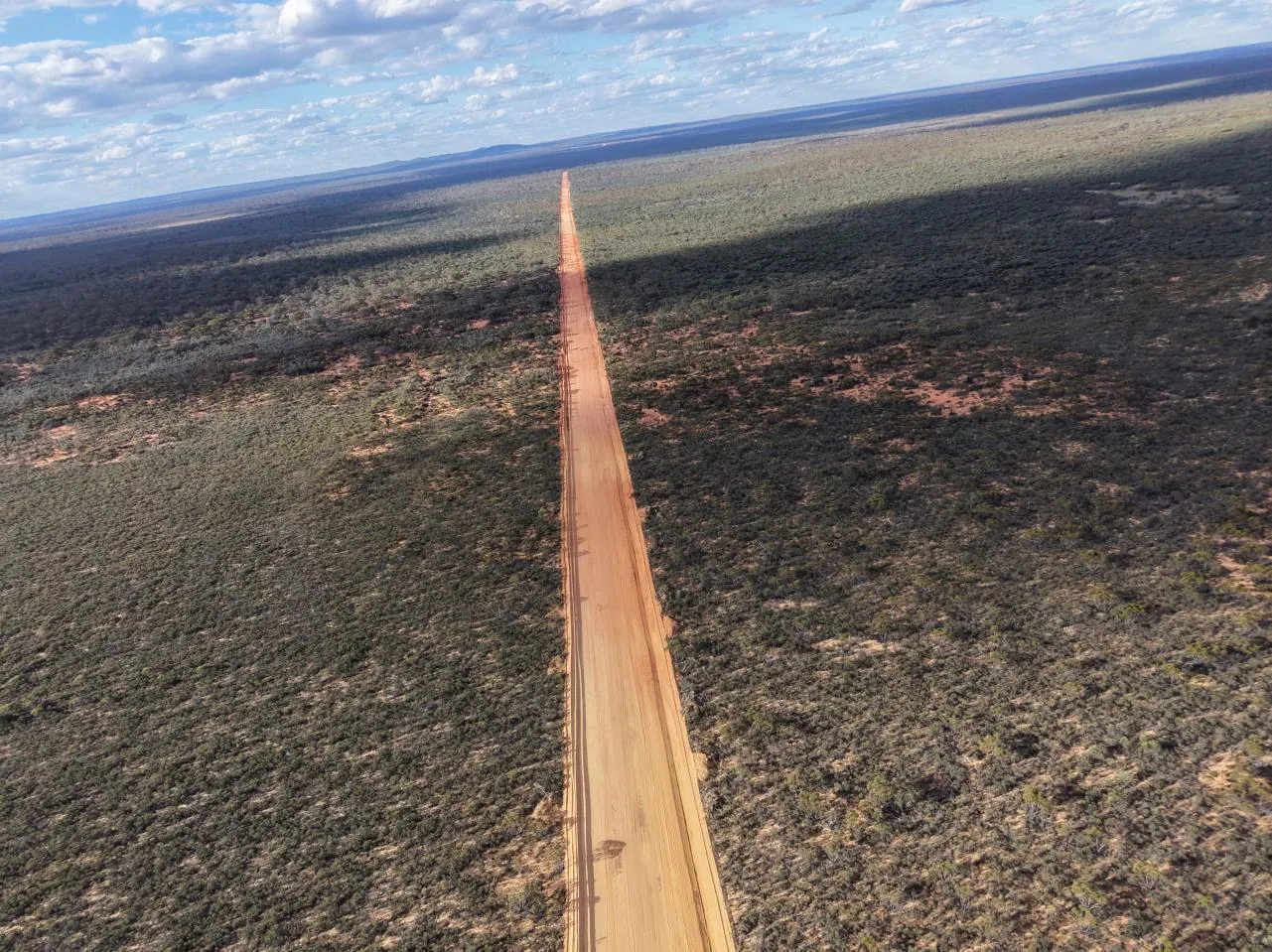
Construction has also begun on a 17-kilometre road and pipeline linking Geko with the Jaurdi processing facility. Commissioning is planned for March 2027, with the company expecting the Geko paleochannel resource to provide process water at 60 litres per second and allow the existing Jaurdi aquifer to recharge.
Iguana Reserve Supports Longer Mine Plan
The quarterly report reiterates Beacon’s 430,200-ounce Iguana Ore Reserve, comprising 11 million tonnes at 1.20 grams per tonne gold, following the company’s earlier reserve update that increased contained ounces by 325%. Its associated pre-feasibility study outlined a roughly nine-year operating life, average AISC of A$3,283 per ounce and estimated undiscounted pre-tax free cash flow of A$841 million at a flat A$5,500 gold price.
Those figures remain estimates built on the study’s assumptions, including hauling ore about 43 kilometres to Jaurdi. Beacon finished September with A$27.69 million in cash, no corporate debt and A$7.89 million in asset-finance liabilities. The company’s immediate financial flexibility therefore sits alongside a sizeable infrastructure and development agenda, rather than replacing the need to execute it.
December Output and 2027 Water Supply Are the Next Tests
Beacon’s fuel cost fell to A$557 per ounce from A$920 per ounce in the previous quarter, although diesel prices increased by about A$0.13 per litre in October. The realised gold price also declined from A$6,371 per ounce in June, leaving production efficiency and commodity-price exposure as competing influences on margins.
The December production range will show whether the improved September performance and early commissioning rates translate into repeatable output. Beyond that, the March 2027 Geko water commissioning and progress toward the Iguana development plan will determine how much of Beacon’s longer-term reserve story can be converted into operating capacity.
Get ASX:BCN news the moment it breaks
 iPhone & iPad
 Android
Bottom Line?
The quarter improved the near-term production picture, but sustained 1.2Mtpa milling and successful Geko water commissioning are still unproven milestones.
Questions in the middle?
- Can the Jaurdi mill sustain commissioning-period rates without lifting unit costs?
- Will December production reach the top half of the 5,500 to 6,500-ounce guidance range?
- How will Beacon fund and sequence Iguana development while continuing shareholder distributions?
Sources
1-
Quarterly Activities Report (opens in a new tab)Official market announcement. Beacon Minerals Limited · 30 Oct 2026 · beaconminerals.com.au