Blue Star Helium Turns Pinon Canyon Into a Revenue-Generating Plant

Blue Star Helium has recorded its first commercial helium sales from the Pinon Canyon plant in Colorado, delivering five tube trailers during the September quarter. The milestone comes with an extended offtake agreement through March 2027, but production growth still depends on permits, well development and funding.
- First commercial helium revenue from Pinon Canyon
- Five trailers delivered during the September quarter and one after quarter end
- Offtake agreement extended through 31 March 2027
- A$2.509 million cash balance with no borrowings
- Three new wells targeted for drilling from the March 2027 quarter, subject to permits

 Add us as a preferred source on Google
First Commercial Helium Revenue Reaches Pinon Canyon
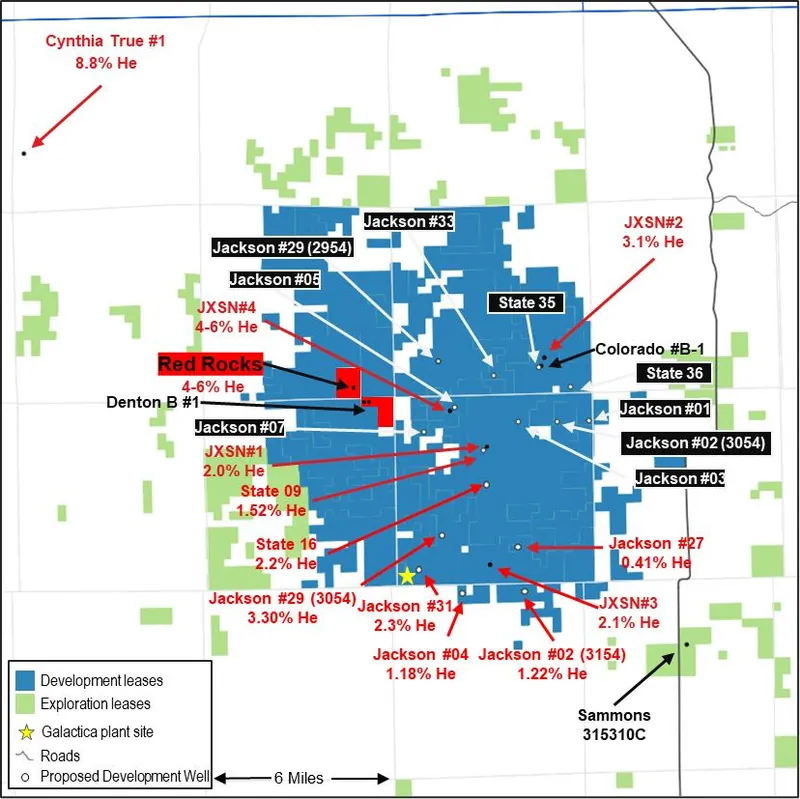
Blue Star Helium Limited (ASX:BNL, OTC:BSNLF) has crossed the most important operational threshold in its Colorado project: the Pinon Canyon processing plant generated its first commercial helium revenue during the September quarter. Five tube trailers were delivered during the period, followed by another after quarter end, as the Galactica project moved from commissioning into an early production ramp-up.
The company reported A$0.46 million in cash receipts from helium sales on a 100% joint venture basis. Blue Star’s share was approximately A$0.19 million after royalties and before production taxes. Trailer counts are not a direct measure of production because the trailers vary in size, and the company cautioned that quarterly output during the ramp-up may not indicate future operating performance.
Offtake Coverage Now Runs Through March 2027
Revenue continuity has also improved. The helium offtake agreement with a major United States industrial gases purchaser now runs through 31 March 2027 and covers all helium produced at Pinon Canyon. Pricing remains fixed over the extended term, although both the price and purchaser’s identity remain confidential.
The extension builds on the Pinon Canyon offtake extension, which previously secured coverage through March 2027 while Blue Star pursued broader and longer-term arrangements. The first trailer delivered during the quarter was sold at spot-market pricing, with subsequent deliveries made under the offtake agreement.
Production Growth Depends on Wells and Permits
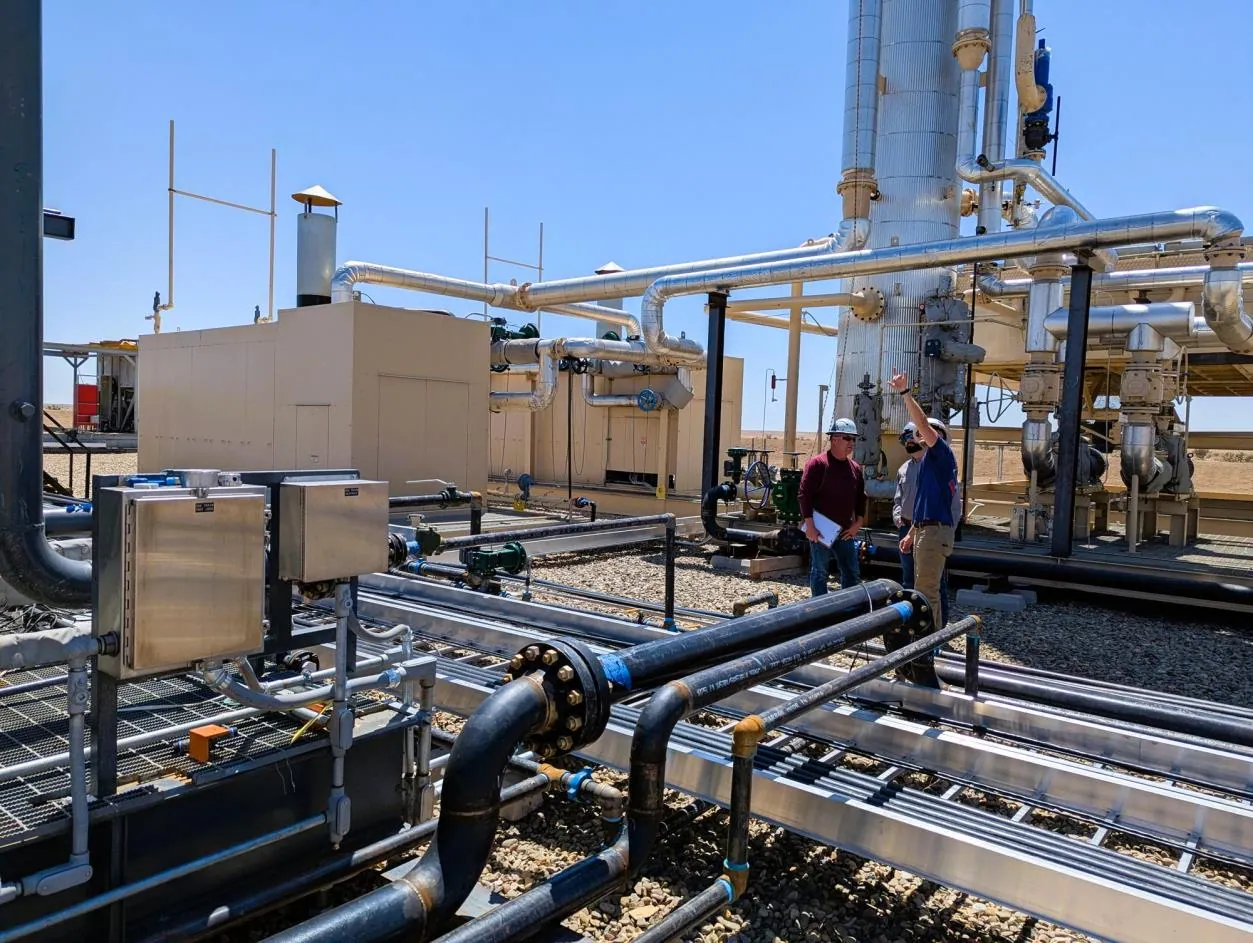
Blue Star said plant recovery and uptime improved during the quarter, supporting higher production and fill rates. The joint venture is now assessing whether to deepen existing production wells and plans to drill three new wells for connection to Pinon Canyon, subject to permitting, equipment and contractor availability.
Permitting has taken longer than anticipated, with approvals now expected during the December 2026 quarter and drilling targeted for the March 2027 quarter. Each well represents a separate joint venture investment decision, while Helium One Global is expected to fund 50% of joint venture development costs. The company does not currently expect additional wells or deepened wells to require an expansion of the plant’s helium processing capacity, though that expectation remains subject to reservoir performance and other execution risks.
Cash Position Leaves Development Choices Tightly Sequenced
Blue Star ended September with A$2.509 million in cash and no borrowings, down from A$5.093 million at the end of June. The quarter included A$1.1 million of lease payments for the Pinon Canyon plant and equipment, A$0.43 million of collateral posted for a surety bond, and A$0.76 million of net operating cash outflow.
The company said it expects to fund upcoming well work, plant modifications and ongoing lease costs through existing cash, rising helium receipts and, if required, further capital raisings. Its Appendix 5B reported estimated funding of 3.1 quarters based on the quarter’s relevant outgoings, a measure that does not capture the potential timing or scale of future development spending.
CO2 Sales Remain a Separate Commercial Test
Co-produced carbon dioxide could provide a second revenue stream, but it has not yet reached the sales stage. Blue Star continues discussions with multiple parties, while commercialisation of the high-grade CO2 from the Jackson 27 well depends on finalising arrangements and completing plant modifications.
The December quarter therefore carries several practical tests: whether permits arrive for the three-well programme, whether the plant can sustain its improving operating profile, and whether CO2 arrangements can be converted into a saleable business. The next phase of the project is less about proving that Pinon Canyon can produce helium than about proving that it can do so at a cadence capable of supporting the company’s development ambitions.
Get ASX:BNL news the moment it breaks
 iPhone & iPad
 Android
Bottom Line?
The first sale removes one major project hurdle, but the investment case now turns on repeatable production, permitting and how far A$2.509 million of cash can fund the next development steps.
Questions in the middle?
- Can Pinon Canyon maintain higher recovery, uptime and delivery rates beyond the initial ramp-up period?
- Will permits arrive in time for three new wells to begin drilling in the March 2027 quarter?
- Can helium receipts and Helium One contributions cover development and plant costs without another capital raising?
Sources
1-
Quarterly Activities/Appendix 5B Cash Flow Report (opens in a new tab)Verified company source. Blue Star Helium Limited · 30 Oct 2026 · bluestarhelium.com