Trident and Old Highway delays expose Catalyst to a weaker FY27

Catalyst Metals has cut FY27 production guidance to 90,000-105,000 ounces after deferring Trident and Old Highway output to FY28. The downgrade comes despite a stronger balance sheet, a 2Moz Plutonic Reserve base and A$40 million of quarterly cash generation.
- FY27 production guidance reduced to 90,000-105,000oz from 130,000-150,000oz
- Trident and Old Highway production deferred to FY28
- September quarter production of 22,231oz at A$4,267/oz AISC
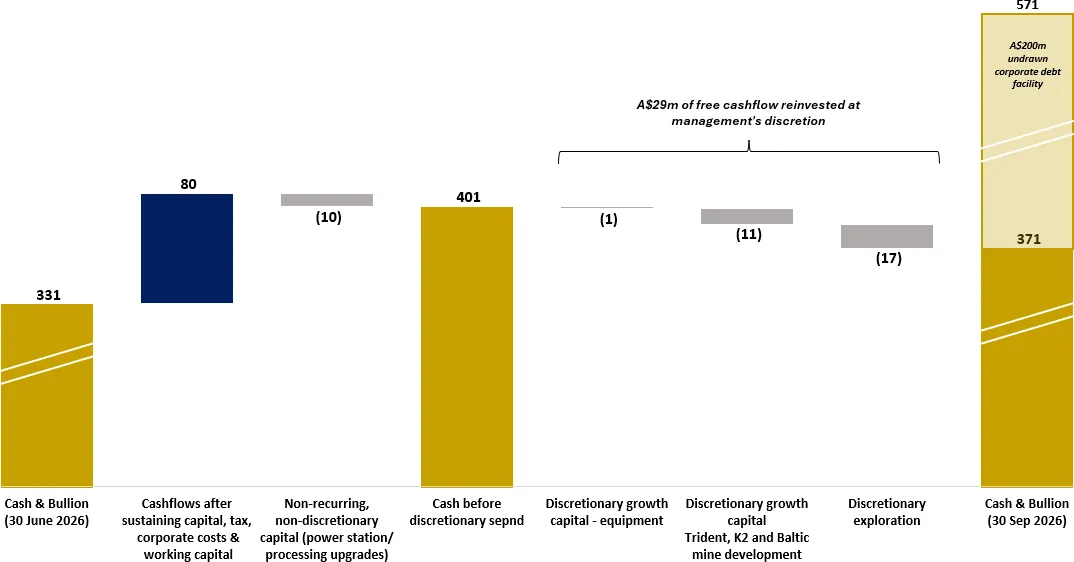
- Cash and bullion increased to A$371m, with total liquidity of A$571m
- Plutonic Belt Reserves reached 2Moz, underpinning approximately 200kozpa for 10 years

 Add us as a preferred source on Google
FY27 production guidance falls as new mines are delayed
Catalyst Metals Limited (ASX:CYL) has reset its near-term growth timetable, cutting FY27 gold production guidance to 90,000-105,000 ounces from the 130,000-150,000 ounces previously indicated. Production from the Trident underground project and Old Highway open pits has been pushed into FY28, leaving the company’s longer-term vision of approximately 200,000 ounces a year unchanged, but making the path there less immediate.
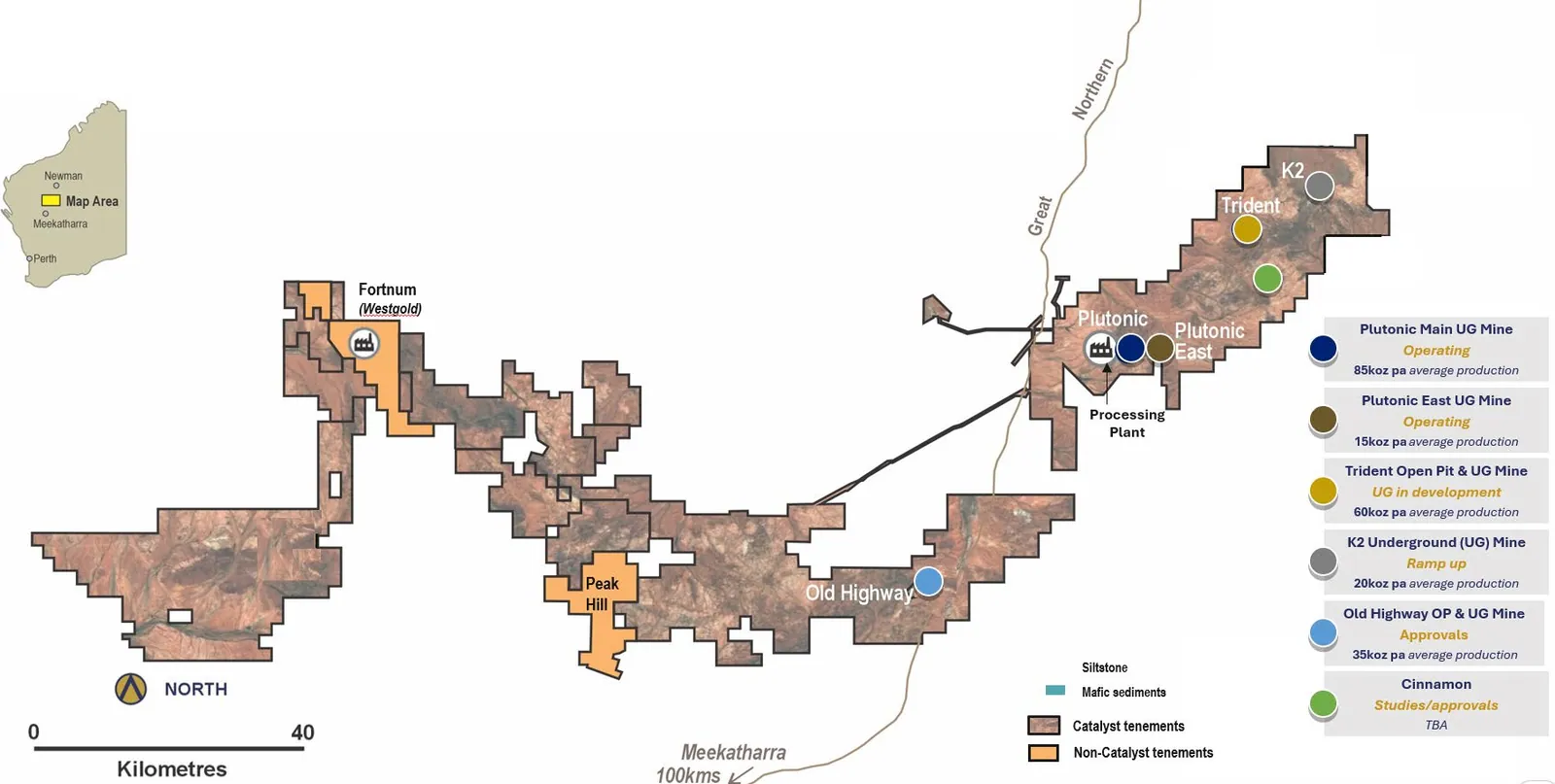
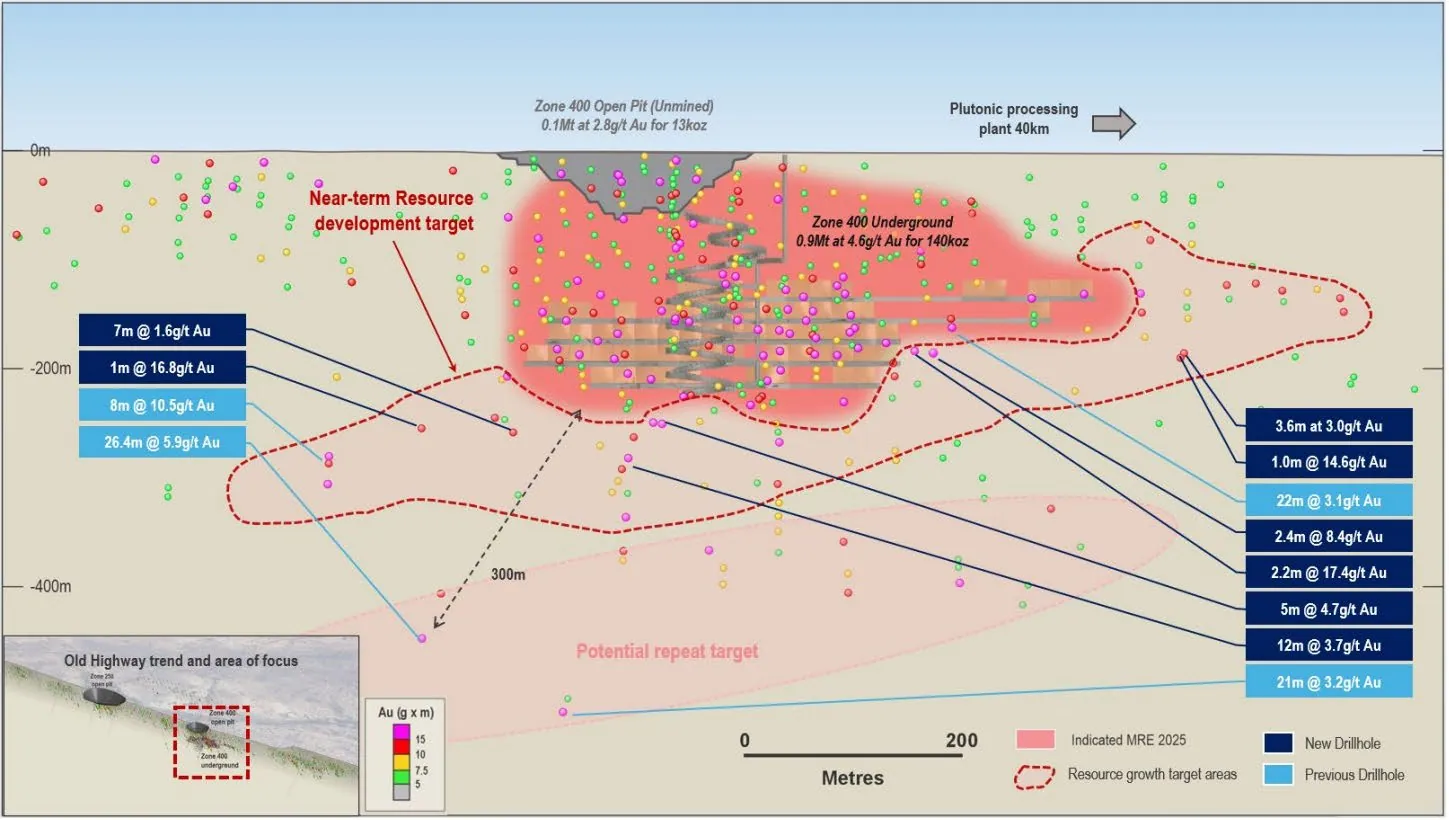
The company attributed the change to delays in Old Highway permitting and a slower-than-planned start to Trident’s underground development. Catalyst also said grade control drilling improved Trident’s overall grade and contained ounces, but narrowed the grades and ounces in the deposit’s earliest scheduled mining areas. The company said the extent of the resulting production schedule reorganisation remains unclear.
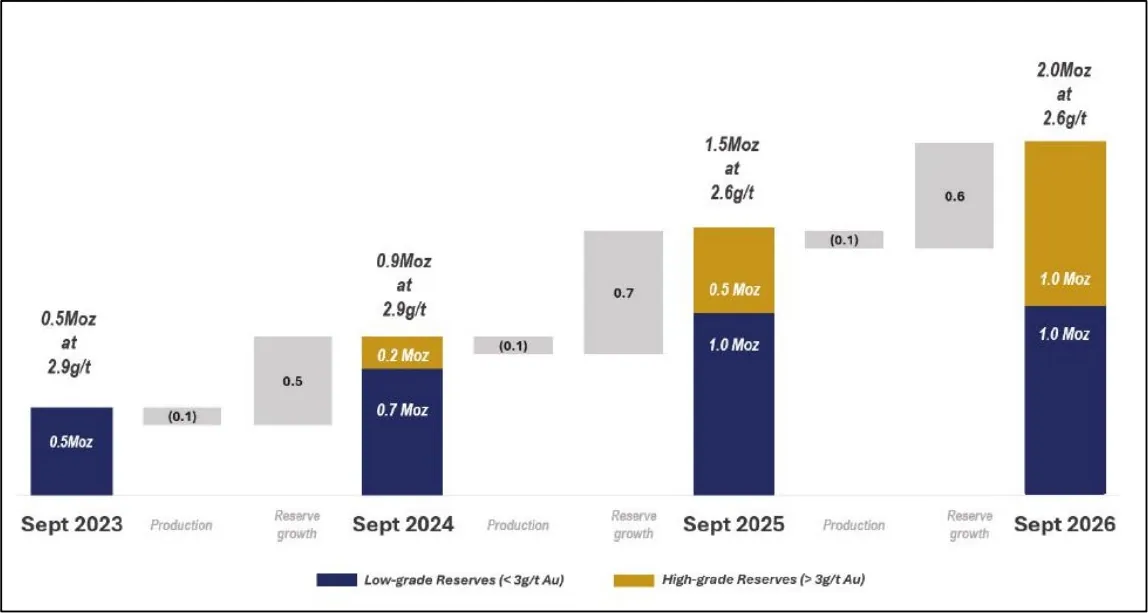
The reset arrives shortly after the 2Moz Plutonic Reserve milestone, which established approximately 2Moz of probable Ore Reserves across the belt and underpinned the targeted 200koz annual production rate for roughly a decade. Catalyst now expects FY27 AISC of A$3,600-A$4,100 an ounce, reflecting fewer ounces spread across the Plutonic fixed-cost base, industry inflation and the cost of maintaining operations during an expansion phase.
September quarter hit by staffing shortages and plant shutdown
September quarter production fell to 22,231 ounces, from 31,886 ounces in the prior quarter, while AISC on gold produced rose to A$4,267 an ounce. Gold sold was higher at 27,229 ounces, with AISC on gold sold of A$3,512 an ounce, supported by an average realised gold price of A$6,116 an ounce.
Lower staffing levels reduced material movement at Plutonic Main and Plutonic East, while changes to flight times disrupted the workforce amid a competitive Western Australian labour market. An extended processing plant shutdown, intended to improve long-term throughput, also weighed on the quarter. Catalyst said it has since established an internal recruitment function, adjusted FIFO flight arrangements and increased performance monitoring, with vacancies beginning to fall.
Despite the weaker operating result, the business generated A$80 million of operating cashflow after corporate costs, tax and working capital movements. It spent A$10 million on non-discretionary capital, A$13 million on growth projects and A$17 million on exploration, leaving a quarterly cash build of A$40 million.
Balance sheet funds a slower development strategy
Cash and bullion stood at A$371 million at quarter end, while an undrawn revolving credit facility lifted from A$100 million to A$200 million and was extended to four years. Catalyst therefore reported total liquidity of A$571 million and no drawn debt, giving it room to prioritise mine development and infrastructure rather than accelerate production to meet earlier timelines.
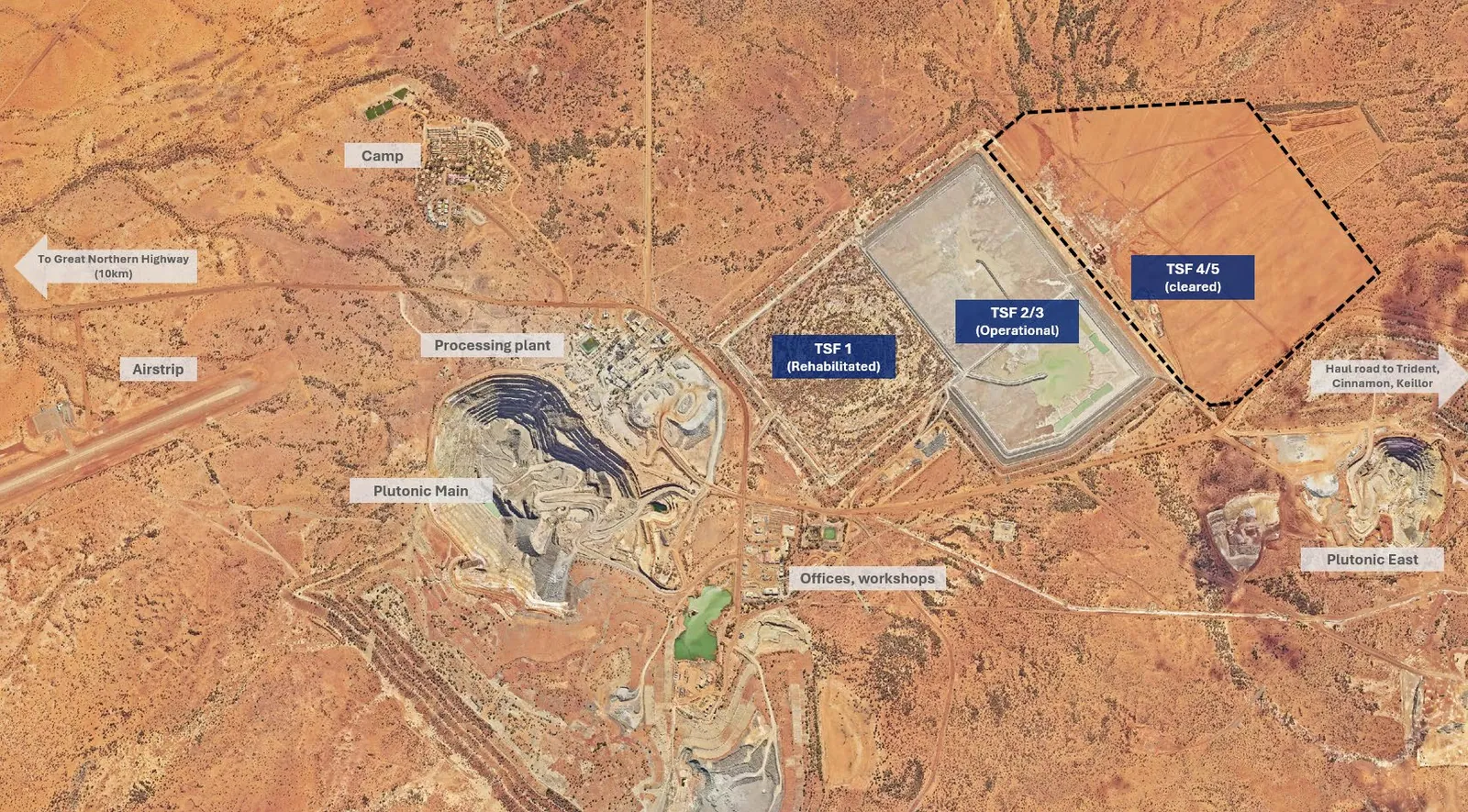
FY27 capital plans include A$30 million-A$40 million of non-discretionary spending on processing plant refurbishment and a new tailings storage facility, alongside A$70 million-A$80 million of growth capital. About A$40 million of the latter is earmarked for the Trident decline and approximately A$30 million for equipment and fleet. Exploration is budgeted at A$80 million-A$90 million, targeting Reserve conversion at Trident and Cinnamon and resource growth across the wider belt.
Trident, Old Highway and Cinnamon remain the growth test
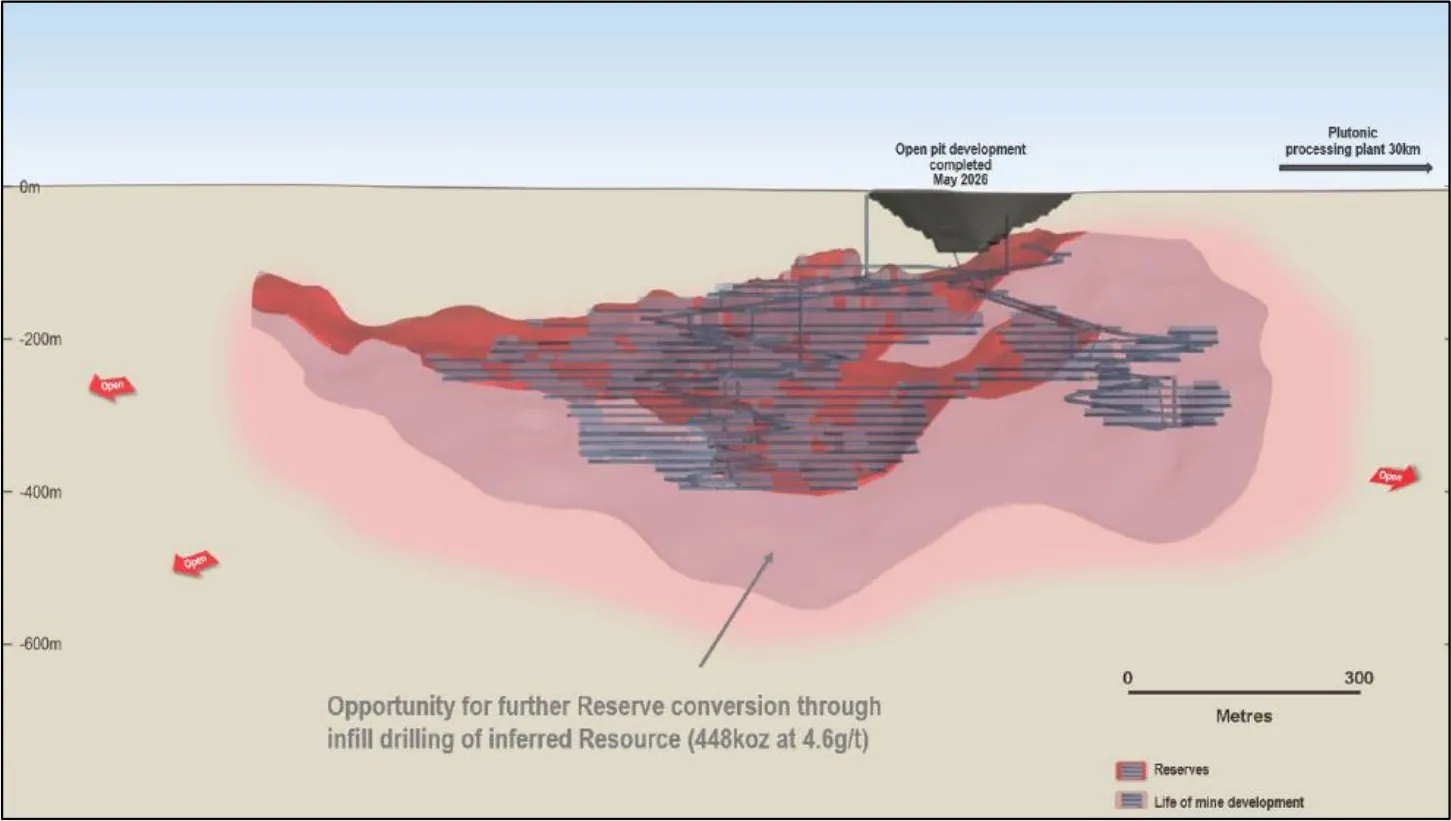
Trident development is currently about 100 metres behind the anticipated schedule, although Catalyst said development rates have shown early improvement following changes to the bonus structure and site management. The company expects additional headings to open in coming months. The project contains a 524koz Reserve and a 448koz Inferred Resource beyond the current mine plan, following the earlier Trident underground Reserve increase.
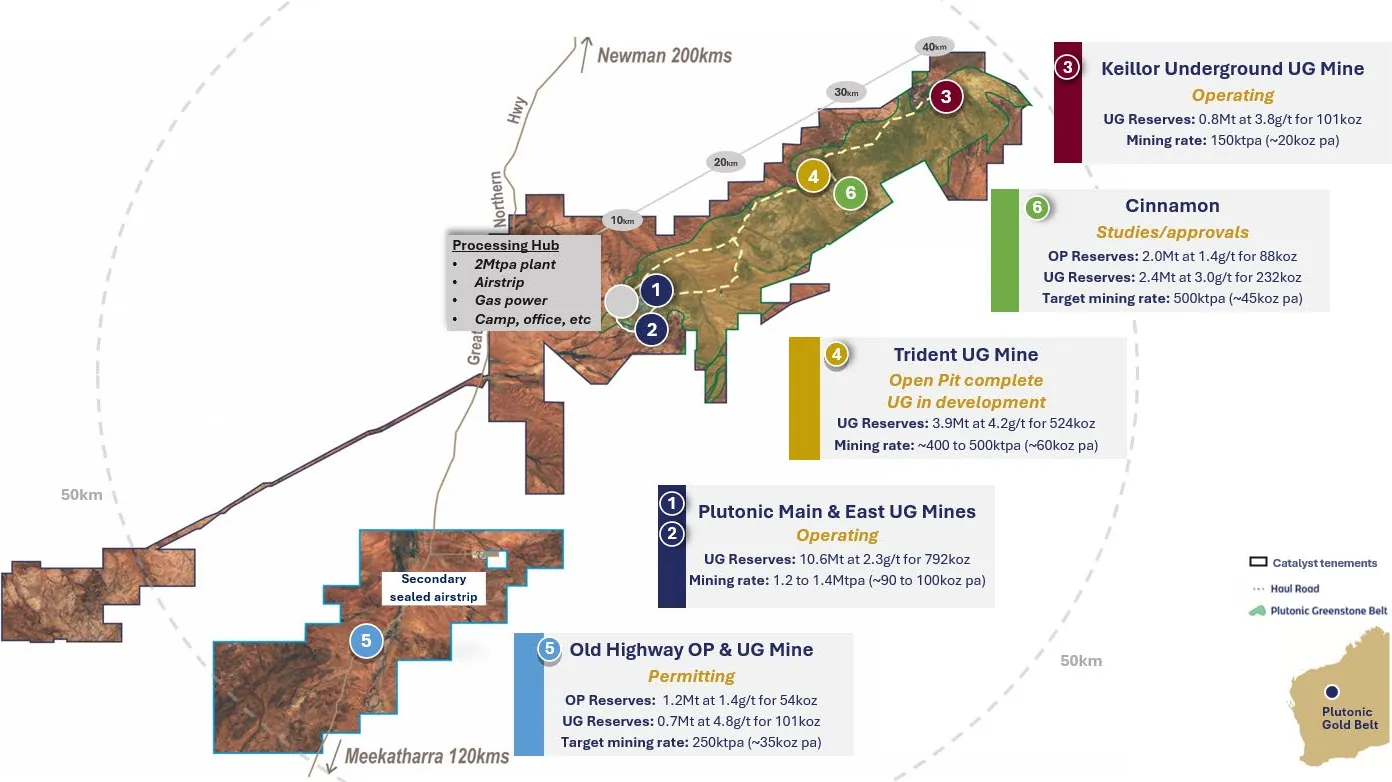
At Old Highway, permitting work continues alongside grade control drilling, road siding preparations and the selection of preferred contractors. Mining activities are expected to commence in calendar 2027. Cinnamon is also progressing through baseline surveys, contractor discussions and further drilling, with grade control drilling due to begin during the current quarter. Recent drilling has confirmed mineralisation in parallel conglomerate units, adding to the potential for repeat high-grade zones beyond the existing Reserve. That work builds on the Cinnamon maiden underground Reserve, which followed a 370% increase in the project’s Resource to 541koz.
The immediate question is whether staffing recovery, plant upgrades and faster Trident development can stabilise the FY27 run rate before the deferred projects begin contributing. Catalyst has the liquidity to absorb a slower build, but the lower guidance puts greater weight on execution: the company must turn its large Reserve base and exploration pipeline into reliable tonnes, not merely a larger project inventory.
Get ASX:CYL news the moment it breaks
 iPhone & iPad
 Android
Bottom Line?
Catalyst has bought itself time with A$571m of liquidity, but FY27 now becomes a test of whether operational fixes can close the gap before the deferred growth projects arrive.
Questions in the middle?
- Can staffing levels and FIFO changes restore production at Plutonic Main and Plutonic East quickly enough to support the revised FY27 range?
- How rapidly can Trident recover the approximately 100 metres it is behind schedule, and when will development translate into first ore?
- Will Old Highway and Cinnamon permitting, contractor and grade control milestones hold the calendar 2027 development timetable?
Sources
1-
Quarterly Activities Report - September 2026 (opens in a new tab)Verified source. Catalyst Metals Limited · 30 Oct 2026