Charter Hall Retail REIT targets steady growth as convenience portfolio reaches 50:50 mix

Charter Hall Retail REIT has set a floor of 3.5% growth for FY27 operating earnings and distributions, while its chair acknowledged the units are trading below net tangible assets. The convenience property group enters the year with 99.1% occupancy, lower debt margins and a portfolio evenly split between shopping centres and net lease assets.
- FY27 operating earnings guidance of at least 27.3 cents per unit
- FY27 distribution guidance of at least 26.4 cents per unit
- NTA rose 8.4% to A$5.03 per unit in FY26
- Portfolio occupancy increased to 99.1% with gearing at 30.9%
- Board election of Kate Melrose backed by 99.82% of votes

 Add us as a preferred source on Google
FY27 earnings and distribution floor set at 3.5% growth
Charter Hall Retail REIT (ASX:CQR) is promising another year of modest income growth, with operating earnings and distributions each forecast to rise by at least 3.5% in FY27. The guidance sets a floor of 27.3 cents per unit for operating earnings and 26.4 cents per unit for distributions, based on information currently available and barring unforeseen events.
At the closing security price of A$3.61 on 28 October, the distribution guidance implies a 7.3% yield. That income proposition sits alongside a portfolio that produced 26.4 cents per unit in FY26, up 4.0%, while same-property net property income rose 3.0% across both the shopping centre and net lease portfolios.
Strong FY26 metrics meet a persistent valuation discount
The REIT’s property investment value reached approximately A$5.2 billion on a pro forma basis, with occupancy improving to 99.1%. Net tangible assets climbed 8.4% to A$5.03 per unit, contributing to a 15.8% 12-month levered portfolio return. FY26 earnings result had previously highlighted the same 4.0% operating earnings increase and the portfolio’s A$5.2 billion valuation.
That performance has not erased the board’s frustration with the unit price. Chair Roger Davis said CQR was “not pleased” with where it was trading relative to NTA and said the board remained focused on enhancing earnings growth and reducing the discount over time. The statement identifies a central tension for unitholders: operating metrics have strengthened, but the market price remains below the reported value of the underlying assets.
Net lease strategy reaches its target portfolio mix
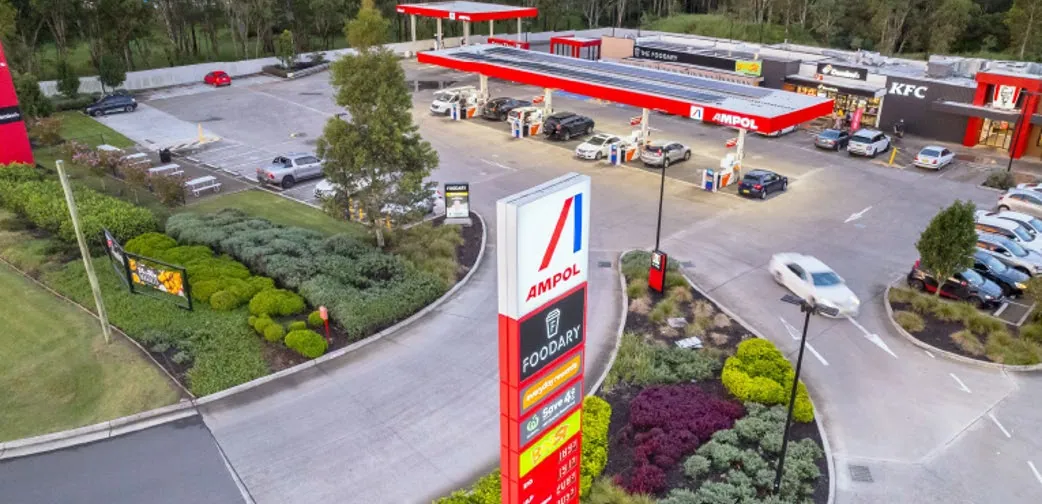
CQR says it has now reached its target of roughly 50% shopping centre and 50% net lease convenience retail, with A$2.5 billion in shopping centre assets and A$2.8 billion in net lease assets at 30 June. The portfolio grew to 730 assets from 699 a year earlier, while its weighted average lease expiry rose to 7.1 years and tenant arrears remained below 0.5%.
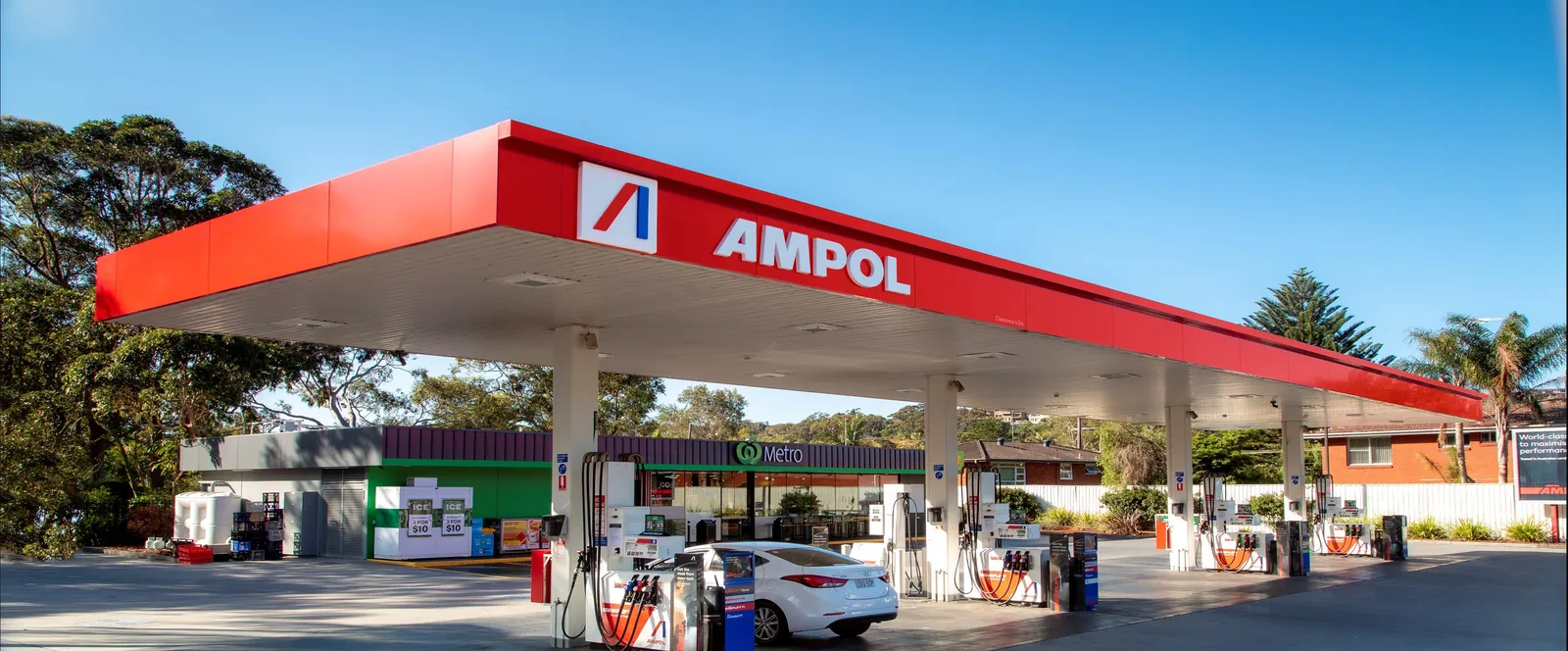
Management said the shift towards net lease assets has improved tenant covenant quality, reduced capital requirements and diversified rent review structures. Across investments including the HPI take-private and bp and Ampol sale-and-leaseback transactions, CQR had deployed A$907 million of equity that was valued at A$1.2 billion at 30 June, representing A$317 million of stated value creation and an average equity internal rate of return of 18%.
Refinancing lowers debt margins as gearing remains contained
Pro forma balance sheet gearing stood at 30.9%, while the debt refinancing reduced the debt margin by 40 basis points to 125 basis points. Weighted average cost of debt was 5.0%. The refinancing was also part of the earlier FY26 capital management program, which reported lower margins and extended maturities.
The cost of capital remains important to the FY27 guidance, particularly as property valuations and interest rates influence both earnings and NTA. CQR’s portfolio is heavily exposed to established tenant groups, with its top 10 customer groups accounting for 61% of rent, offering income concentration as well as the stability management emphasises.
Board change approved with near-unanimous support

Unitholders approved Kate Melrose’s advisory, non-binding election as an independent director with 99.82% support. The meeting also marked the departure of independent director Michael Gorman after a decade on the board. Sustainability disclosures included net zero Scope 1 and Scope 2 emissions from 1 July 2025 for assets owned by the REIT and under Charter Hall’s operational control, alongside 19.5 megawatts of solar capacity and 15.4 megawatt hours of batteries.
Get ASX:CQR news the moment it breaks
 iPhone & iPad
 Android
Bottom Line?
The FY27 targets are achievable-looking rather than transformational; the harder test is whether income growth, debt discipline and portfolio curation can narrow the gap between CQR’s unit price and its A$5.03 NTA.
Questions in the middle?
- Can CQR deliver more than its 3.5% FY27 guidance floor if financing costs or property valuations move against it?
- What actions can the board take to reduce the discount to NTA without compromising balance sheet discipline?
- Will the completed shift towards a 50:50 shopping centre and net lease mix produce stronger growth than the current guidance implies?
Sources
2-
AGM Chair and Fund Manager Address (opens in a new tab)Verified company source. Charter Hall Retail REIT · 29 Oct 2026 · charterhall.com.au
-
CQR 2026 Annual General Meeting presentation (opens in a new tab)Verified company source. Charter Hall Retail REIT · 29 Oct 2026 · charterhall.com.au