PTR finds more ways to improve Rosewood’s development case

PTR Minerals has identified potential 15-17% heavy mineral zones for early mining at Rosewood, while testing suggests a high-quality leucoxene product may be produced without dry separation. The project also cleared key water, customer and study milestones, although the work remains preliminary and includes Inferred Resources.
- 15-17% heavy mineral zones could be prioritised early in mine sequencing
- Preliminary scenarios indicate 22-35 year mine lives
- Wet concentration alone recovered 81% of +53µm valuable heavy minerals to final products
- Aquifers were confirmed at all three groundwater targets tested
- A$1.51 million cash and A$10.07 million in term deposits reported at quarter end
 Add us as a preferred source on Google
Rosewood mine plans target high-grade early feed
PTR Minerals Limited (ASX:PTR) has found a potentially valuable way to start Rosewood: mine the richest material first. A preliminary optimisation and scheduling study across four processing scenarios identified areas capable of supplying plant feed grading 15-17% heavy minerals, with the resulting schedules indicating potential mine lives of 22 to 35 years.
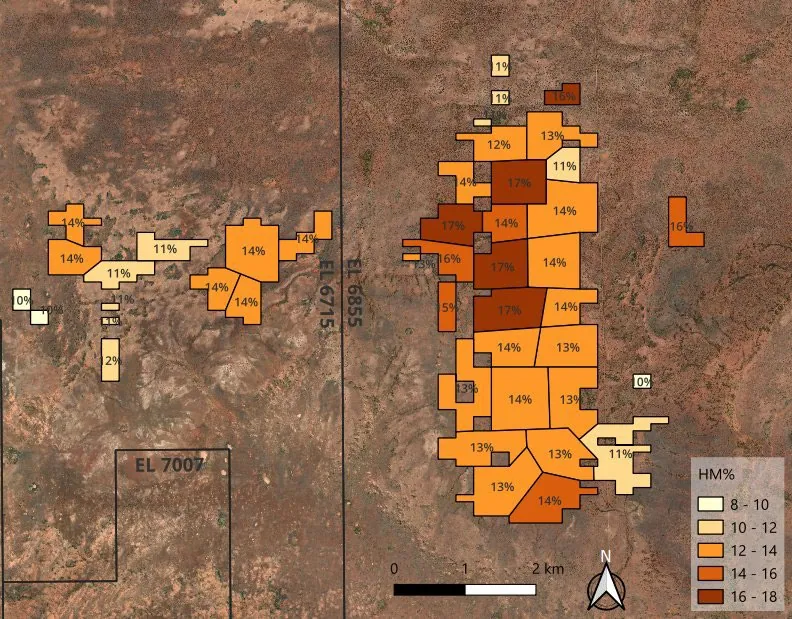
The work builds on the company’s 463Mt Rosewood resource, which carries an average grade of 8.8% heavy minerals and 93% valuable heavy minerals. PTR said the mine designs could access higher-grade zones early, potentially allowing lower initial throughput and capital requirements, but the study is not a Scoping Study and does not support production targets or Ore Reserves.
That distinction matters. The scenarios schedule between 15% and 27% Inferred Mineral Resources, alongside 73% to 85% Indicated Resources. PTR plans infill drilling to upgrade a significant portion of the inventory, including into the Measured category, before the development case is further advanced.
Wet concentration opens a simpler processing route
Metallurgical testing supplied another piece of project optionality. A three-tonne bulk sample tested by Mineral Technologies produced a leucoxene product through conventional wet concentration alone, without the dry separation stage previously contemplated. The product contained 66.4% titanium dioxide, with 81% recovery of +53µm valuable heavy minerals to final products.
PTR said the result could reduce process complexity, energy use and potentially capital and operating costs. However, the company is not yet committing to the simpler flowsheet: final product specifications will depend on further testing and feedback from potential customers, while dry separation remains under consideration. The first trial product has been sent for customer evaluation, with additional samples planned.
Aquifers confirmed, but supply still needs testing
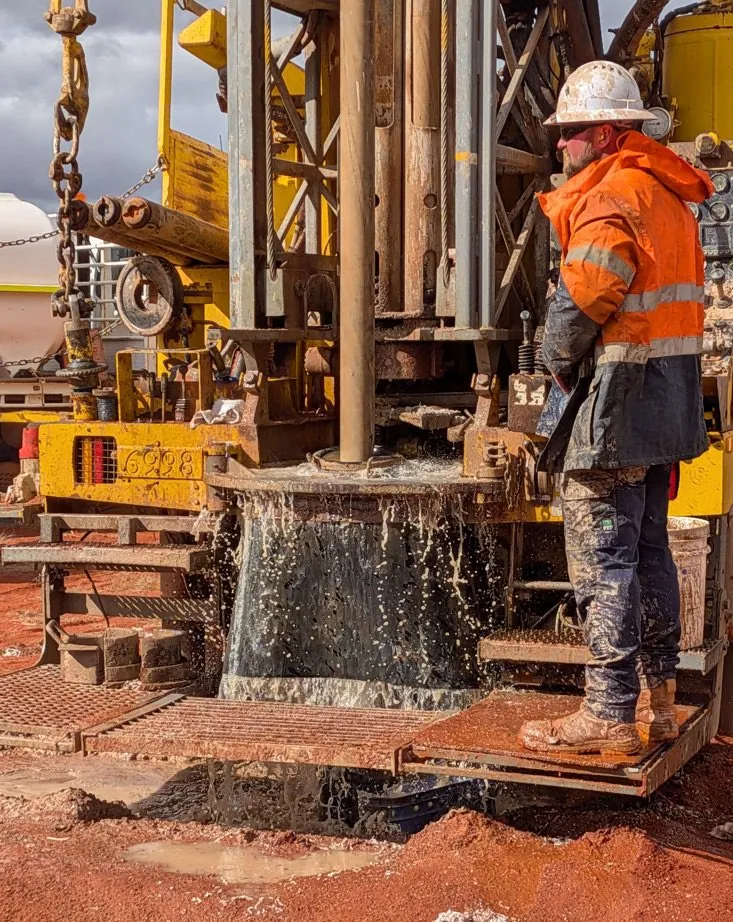
Hydrogeological drilling confirmed water-bearing palaeochannel aquifers at all three targets tested near Rosewood, extending the project’s potential water supply options for its proposed gravity-based processing route. Two sites received cased test and observation wells, while five shallow monitoring wells were installed across the deposit for environmental baseline work and a planned Mining Lease application.
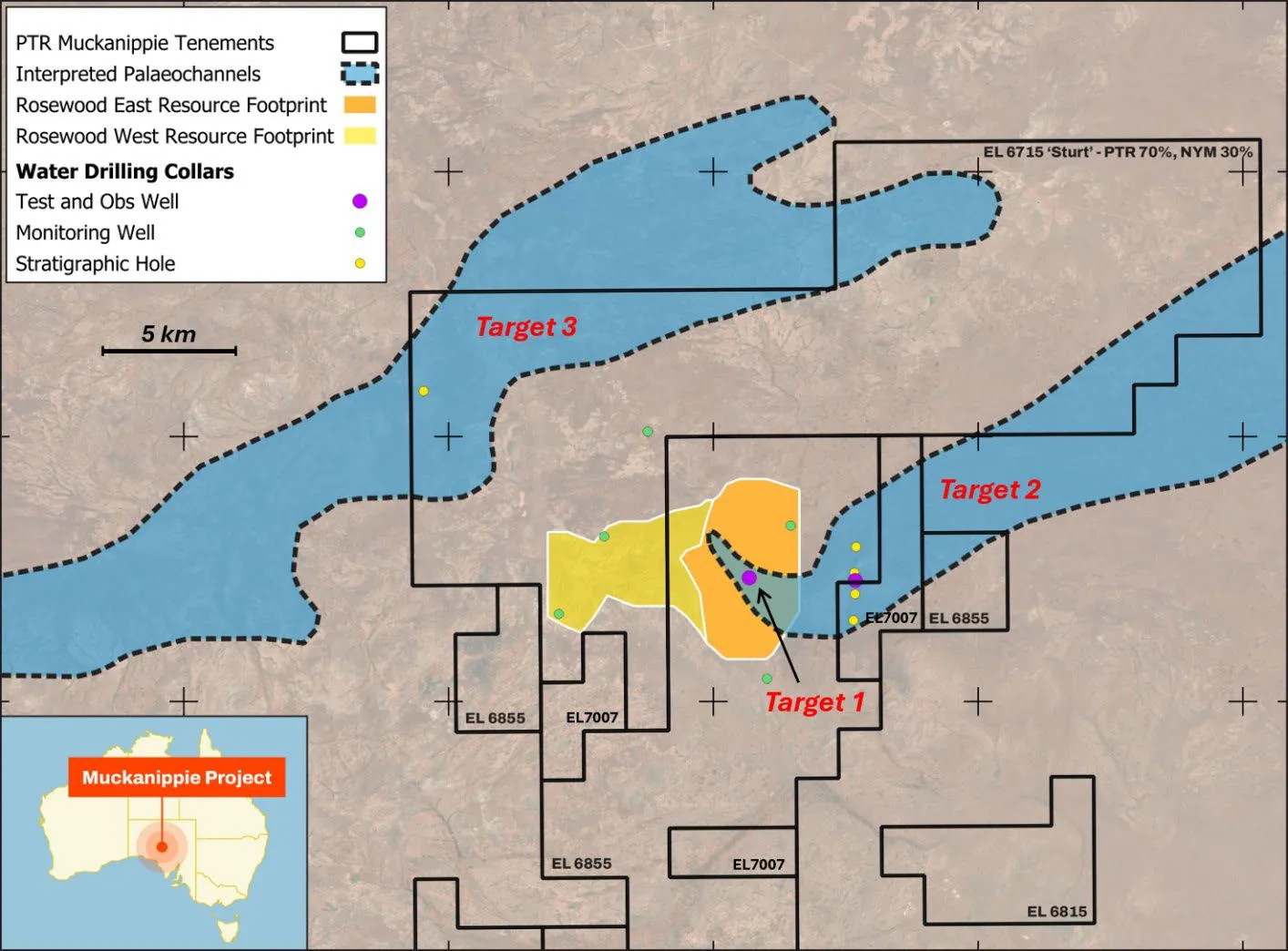
The result follows the three-target aquifer drilling reported in September, but it is not the final water-supply test. PTR still plans geophysical surveys, further drilling and pump testing to establish aquifer geometry, water quality, yield and long-term sustainability.
Study work advances as funding picture splits in two
PTR said the Rosewood Scoping Study is well advanced, with principal technical workstreams substantially complete. Its next steps include integrating the work into a financial model, refining the flowsheet, upgrading the resource through infill drilling, continuing customer engagement and defining development options for a future Pre-Feasibility Study.
The quarter ended with A$1.51 million in cash and A$10.07 million in term deposits. Cash flow reporting shows A$1.976 million of relevant quarterly outgoings and 0.8 quarters of funding based on cash alone; PTR says staggered term deposits lift available funding to 5.8 quarters. Exploration and evaluation costs were A$1.374 million for the quarter, while administration and corporate costs were A$555,000.
PTR also appointed mineral sands executive Colin Bwye as a non-executive director and elevated Robert Sennitt to managing director. The company’s immediate test is now less about finding another encouraging headline than converting these separate advantages - high-grade sequencing, processing flexibility and potential water access - into a coherent Scoping Study with customer-backed products and a defensible water plan.
Get ASX:PTR news the moment it breaks
 iPhone & iPad
 Android
Bottom Line?
Rosewood is accumulating development options, but the next value test is whether preliminary mine, process and water results survive integration into a formal economic study.
Questions in the middle?
- Will infill drilling convert enough of the scheduled Inferred Resource into Measured or Indicated material?
- Will customers accept the damp wet-concentrated product, allowing PTR to avoid dry separation?
- Can pump testing demonstrate a reliable, sustainable water supply at the scale required for operations?
Sources
1-
Quarterly Activities/Appendix 5B Cash Flow Report (opens in a new tab)Verified source. PTR Minerals Ltd · 30 Oct 2026Listed on ptrminerals.com.au (opens in a new tab)