Ark Mines reveals bigger Sandy Mitchell resource and strong processing response

Ark Mines has sharply expanded the reported Sandy Mitchell resource to 379.4Mt, with 97% now classified as Measured and Indicated. Early ANSTO testwork also returned up to 99.6% light rare earth extraction, although the project still faces funding, metallurgical and development hurdles.
- 379.4Mt Sandy Mitchell resource at 5,430ppm Monazite Equivalent
- 428% increase in reported tonnes, with formula and cut-off changes limiting direct comparison
- 97% of resource in Measured and Indicated categories
- ANSTO testwork delivered up to 99.6% light rare earth extraction from milled concentrate
- A$2.95 million cash balance and estimated 3.3 quarters of funding
 Add us as a preferred source on Google
Sandy Mitchell resource reaches 379.4Mt
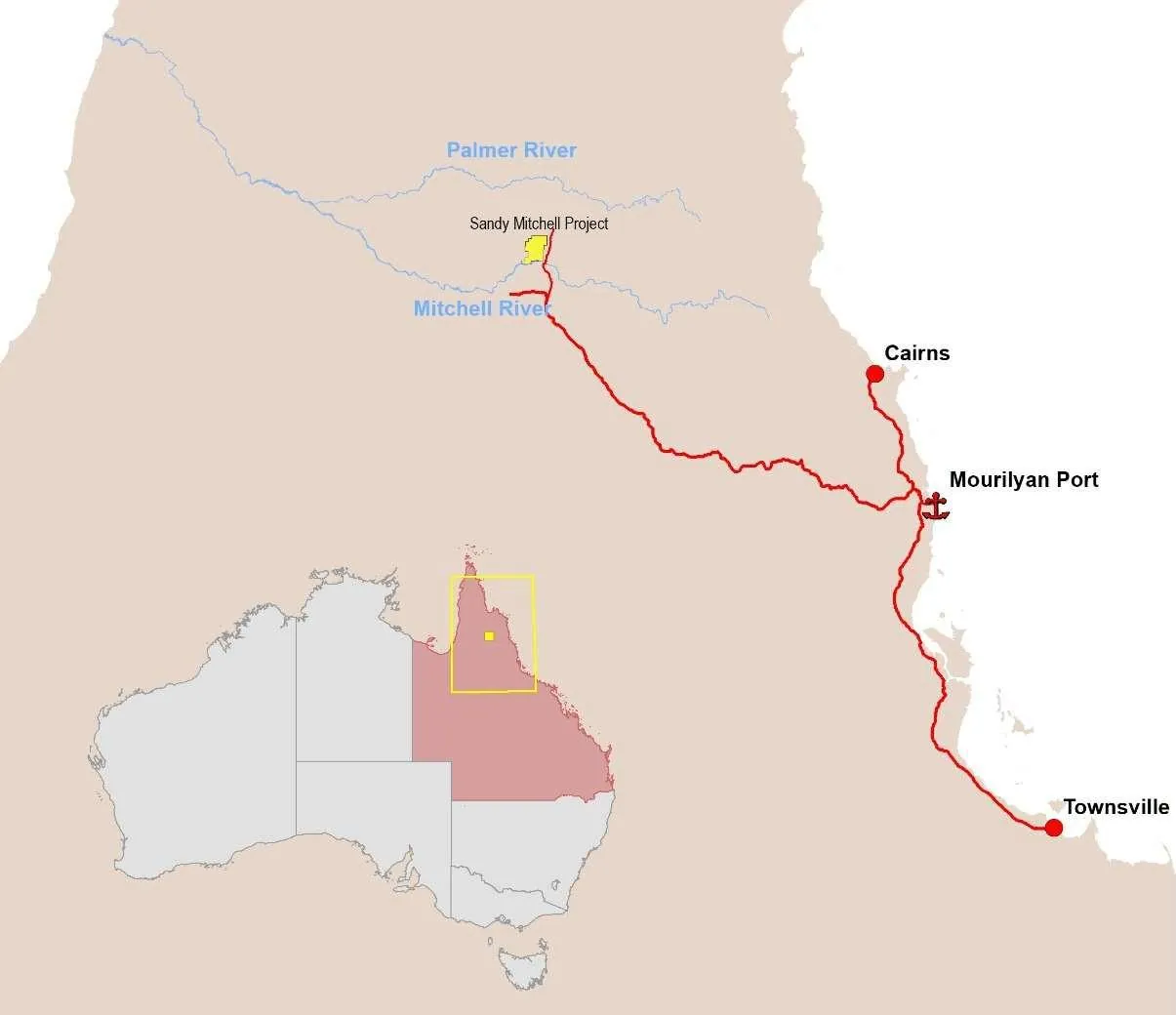
Ark Mines Limited (ASX:AHK) has turned Sandy Mitchell into a substantially larger resource story, reporting 379.4 million tonnes at 5,430ppm Monazite Equivalent (MzEq) for its North Queensland rare earths and heavy minerals project. The updated JORC estimate contains 369.6Mt in the Measured and Indicated categories, equal to 97% of the total by tonnage.
The reported tonnes are 428%, or 307.6Mt, above the October 2024 Measured estimate of 71.8Mt. That headline comparison needs a qualification: Ark reset both the MzEq formula and the lower cut-off grade, from 700ppm to 1,957ppm. The revised formula now includes garnet, muscovite and biotite, while the company says the two cut-offs constrain the same geologically validated domain. The Measured component itself changed little, rising to 73.2Mt, with most of the expansion arriving in the newly defined Indicated category.
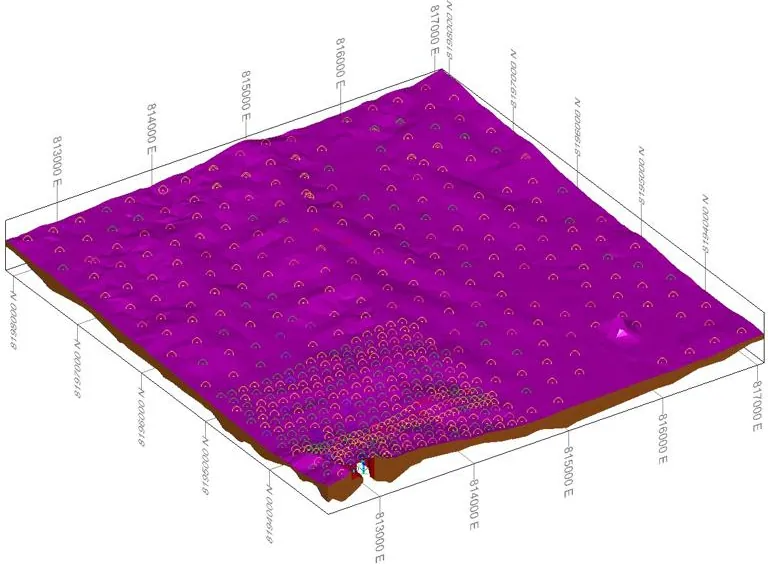
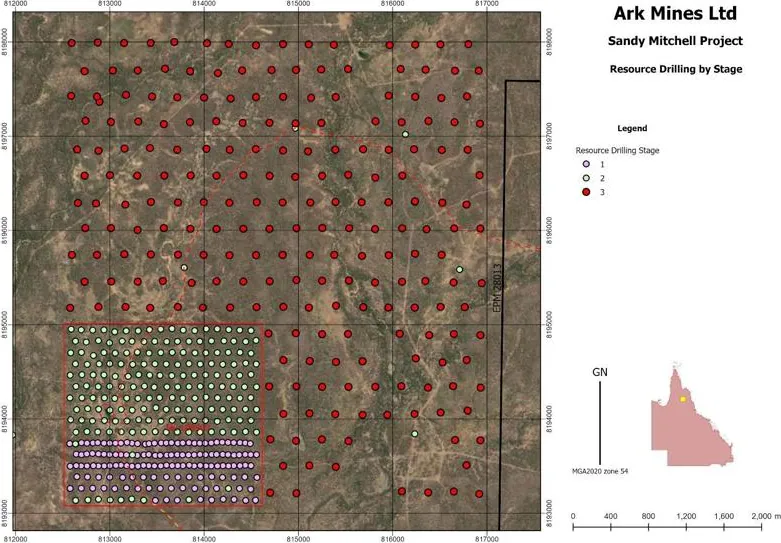
Stage 3 drilling expanded the interpreted mineralised footprint from 4.05 square kilometres to 23.3 square kilometres, still only about 14% of the 169-square-kilometre exploration permit. The programme comprised 218 vertical holes for 2,330.5 metres, with mineralised sand encountered from surface to bedrock in all holes. The estimate includes approximately 11.6Mt of contained heavy minerals and 61.4Mt of contained commercial minerals in situ, before any metallurgical recovery is applied. The project has no Ore Reserve.
ANSTO testwork supports two processing routes
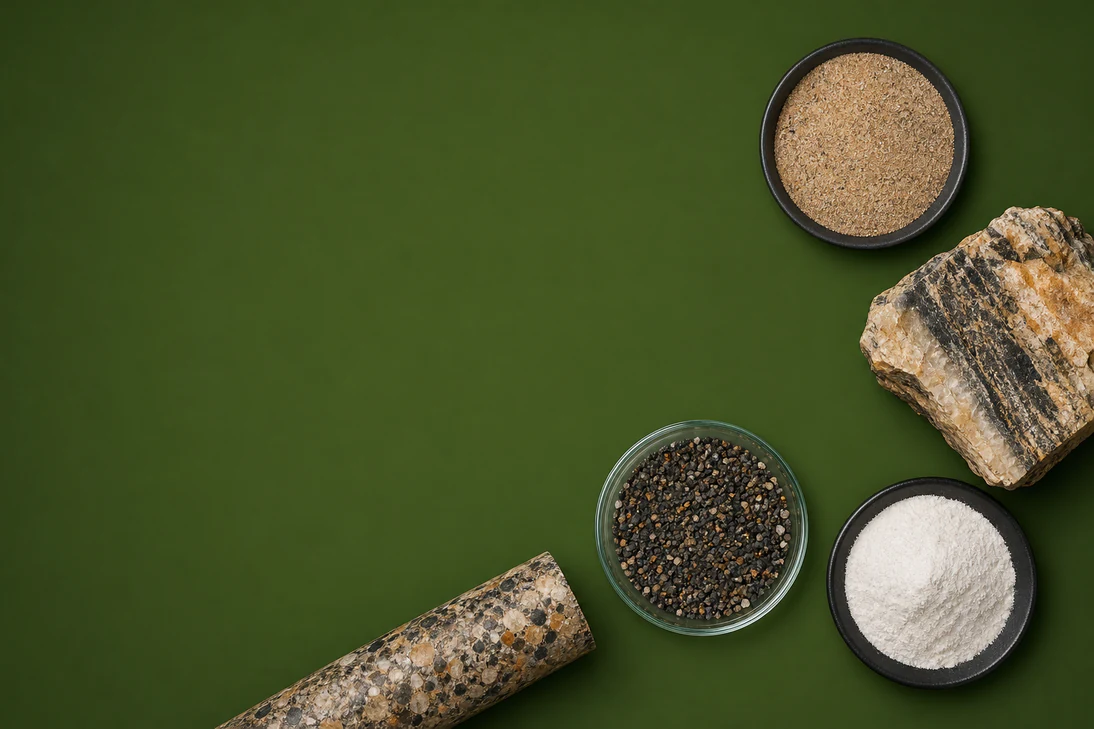
Post-quarter testwork supplied the other important piece of the Sandy Mitchell narrative. The Australian Nuclear Science and Technology Organisation found that a monazite concentrate was amenable to both conventional acid-bake and caustic-conversion routes. Milled concentrate returned light rare earth extraction of 98% to 99.6% in acid-bake tests, with dysprosium extraction reaching about 99%; caustic conversion removed 97% of phosphate before hydrochloric acid leaching delivered approximately 98% light rare earth extraction.
The concentrate assayed 48.7% total rare earth oxide, or 50.2% including yttrium, and 93% of the monazite reported to the 90% to 100% liberation band. That builds on Ark’s earlier commercial-grade monazite products, but the latest programme was performed on concentrate rather than run-of-mine ore. Recovery of monazite from ore to concentrate was outside the scope of the ANSTO work, leaving the full flowsheet and product economics to be tested.
Scoping economics point to a capital-intensive next phase
The updated scoping study, released after the quarter, outlines a proposed 13Mtpa operation with an approximately 26-year mine life. It estimates a post-tax NPV8 of A$883 million, a 29.7% after-tax IRR and a 3.5-year payback on pre-production capital, based on A$383.6 million of initial capital including a 25% contingency. Garnet is expected to contribute about 52% of life-of-mine revenue, compared with about 22% for monazite, making product qualification and pricing assumptions central to the next stage.
Those figures remain preliminary. The study includes a production target containing about 3% Inferred Mineral Resources and is not sufficient to support an Ore Reserve or establish certainty that the development case will be realised. Ark’s next technical tests include a roughly 37,000-tonne bulk sample from four test pits, further garnet and mica qualification, a larger-scale acid-bake test and impurity removal work ahead of potential mixed rare earth carbonate production.
Cash runway becomes part of the development equation
Ark ended September with A$2.948 million in cash after using A$897,000 in operating activities during the quarter, including A$506,000 on exploration and evaluation and A$391,000 on administration and corporate costs. The Appendix 5B calculation gives the company an estimated 3.3 quarters of funding at that quarter’s expenditure rate, with no financing facilities reported.
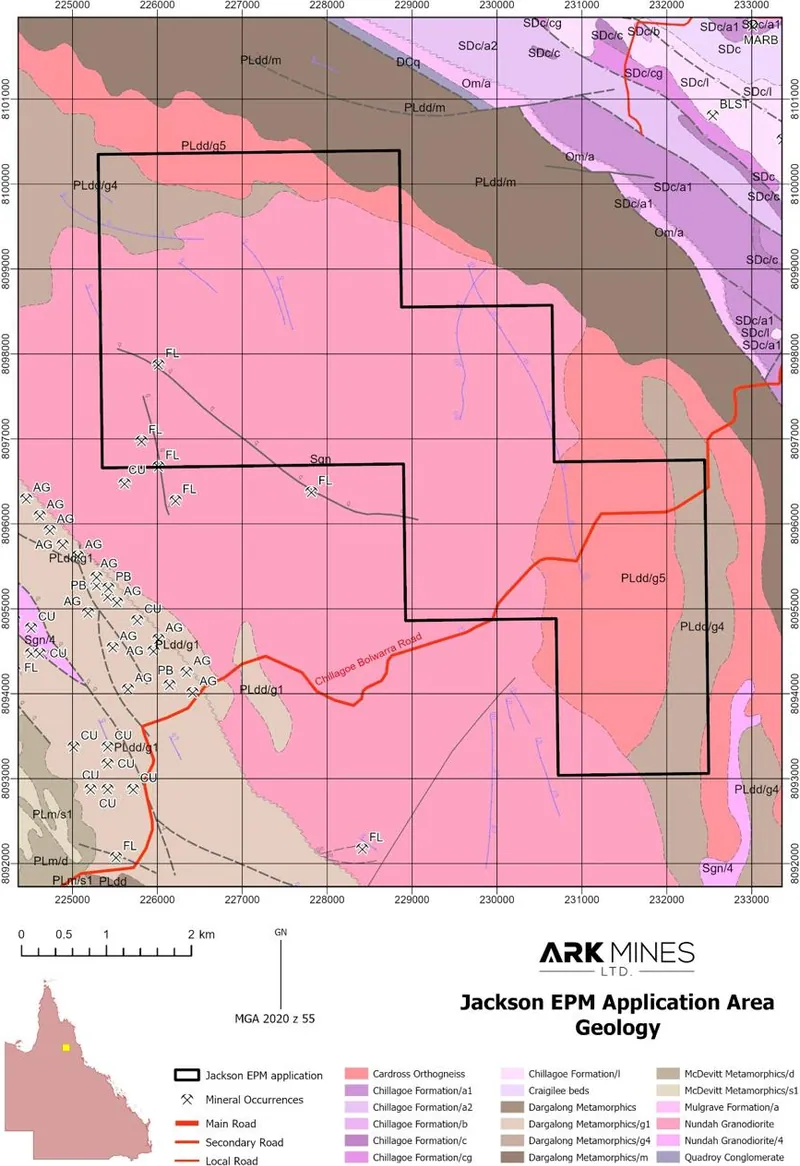
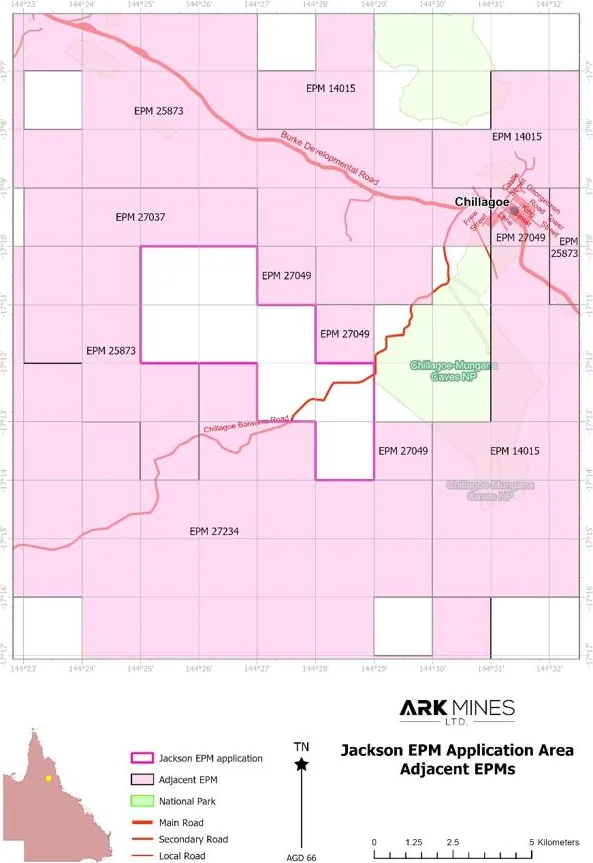
That balance is not an immediate funding warning under the filing’s own two-quarter test, but it puts financing alongside geology and metallurgy as a practical question for the Pre-Feasibility Study and Ore Reserve programme. Ark also received a five-year exploration permit for the Jackson Fluorite Project near Chillagoe, adding another exploration asset while Sandy Mitchell remains the company’s principal development focus.
Get ASX:AHK news the moment it breaks
 iPhone & iPad
 Android
Bottom Line?
Sandy Mitchell now has scale, confidence and encouraging concentrate testwork, but the next value test is whether Ark can convert those results into a bankable study while funding the work ahead.
Questions in the middle?
- Can bulk sampling reproduce the reported mineral recoveries and support the proposed 13Mtpa operation?
- Will the larger-scale ANSTO programme produce a credible mixed rare earth carbonate flowsheet after impurity removal?
- How will Ark fund the Pre-Feasibility Study, Ore Reserve work and development studies beyond the reported 3.3-quarter cash runway?
Sources
1-
Quarterly Activities/Appendix 5B Cash Flow Report (opens in a new tab)Verified source. Ark Mines Limited · 30 Oct 2026