Frontier Energy starts building Waroona as project economics improve

Frontier Energy has moved its Waroona Renewable Energy Project into construction, while higher capacity credits lift forecast annual revenue, EBITDA and free cash flow. The next major test is financial close on up to $280 million of project debt, expected in November.
- Stage One construction begins with Monford Group mobilised on site
- Reserve Capacity Credits increase from about 88MW to 99MW
- Average annual EBITDA forecast rises to about $66 million
- Up to $280 million of project finance debt approaches financial close
- Frontier ends the quarter with $75.1 million in cash

 Add us as a preferred source on Google
Waroona moves from development into construction
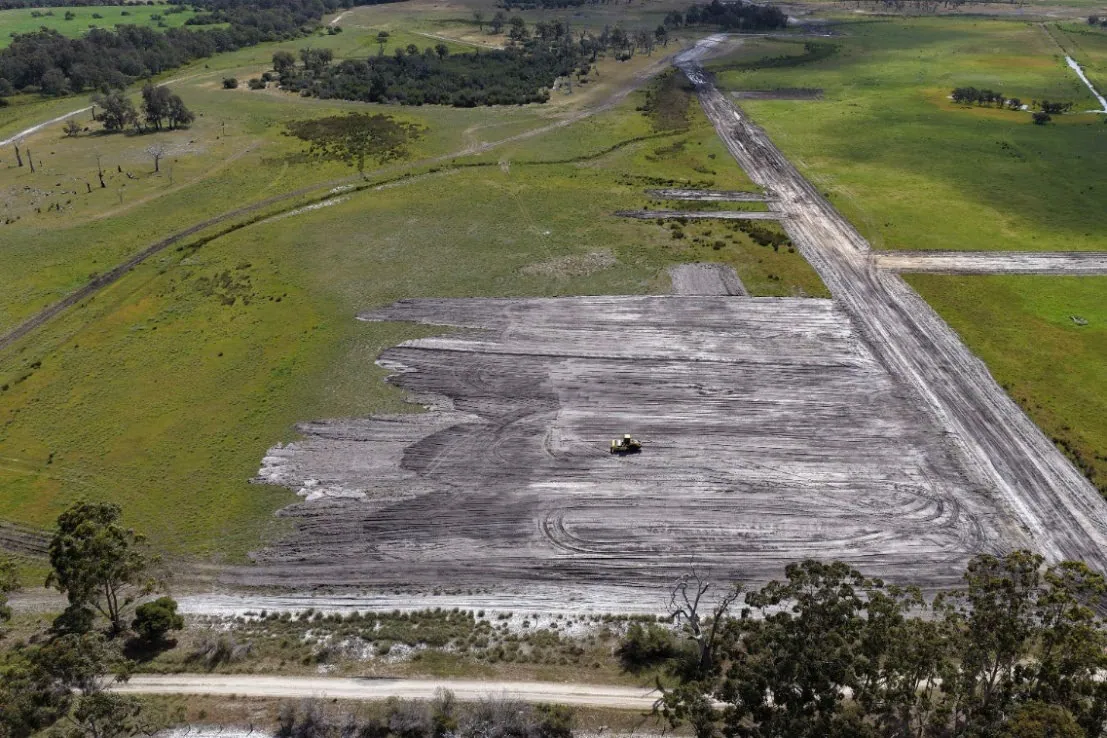
Frontier Energy Limited (ASX:FHE) has started early site works at its Waroona Renewable Energy Project in Western Australia, marking the transition from years of development into construction of Stage One. Monford Group has mobilised to site, with work underway on construction facilities, access roads, bulk earthworks, the operations and maintenance compound and the pad for Frontier’s substation.
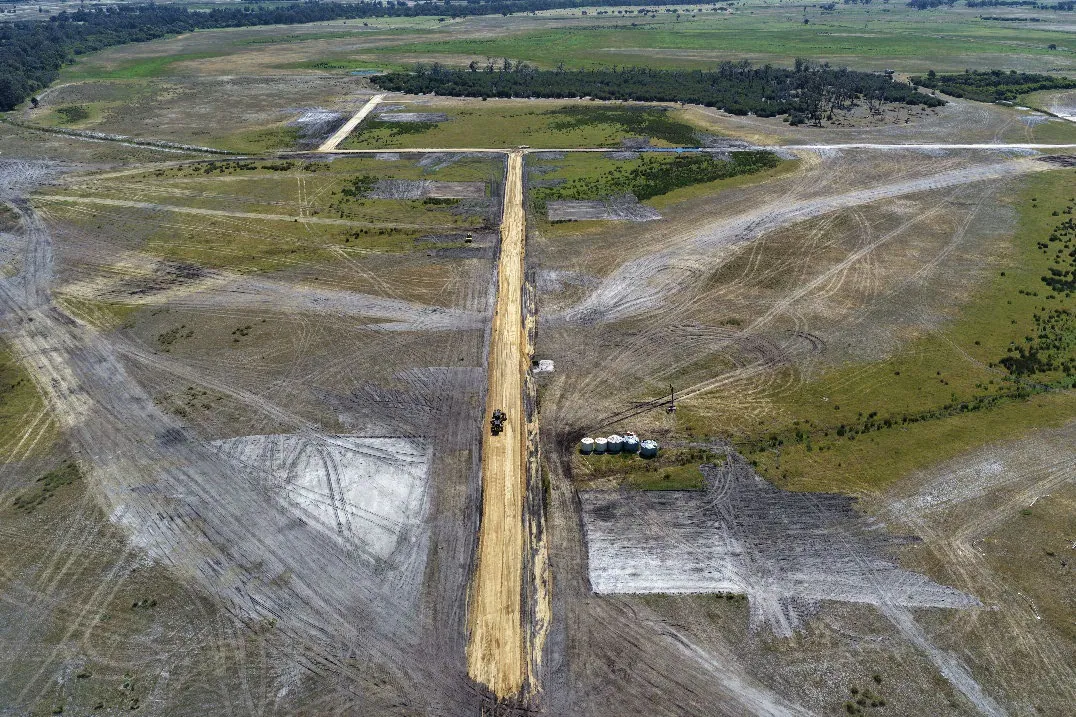
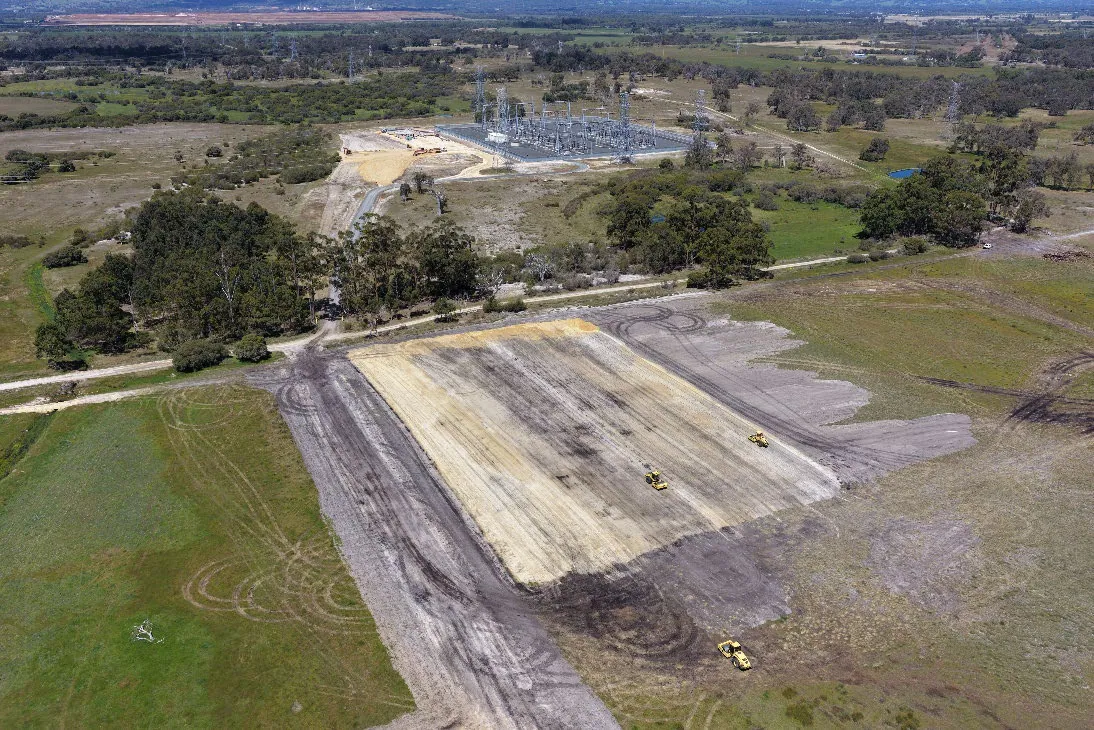
The project is a 132MW solar facility paired with an 81.5MW battery energy storage system, with first generation still scheduled for 2028. The first shipment of about 5,000 tracker piers is due to arrive in Fremantle in mid-November, while delivery of the first solar panels is scheduled for January 2027. Field piling is expected to begin later this year, followed by photovoltaic module installation and balance-of-plant construction in early 2027.
Frontier spent $27.9 million on Stage One development during the September quarter, including milestone payments to engineering, procurement and construction contractors and equipment suppliers. The company said all major contracts, representing most of the $311 million project budget, are now fixed-price, lump-sum agreements. That follows the earlier Waroona fixed-price contracts, which covered the project’s principal equipment and construction arrangements.
Higher capacity allocation lifts project forecasts
The project’s Reserve Capacity Credits for the 2028/29 allocation have increased from about 88MW to 99MW after amendments to Western Australia’s electricity market rules. Frontier said the change lifts expected annual Reserve Capacity revenue to about $36 million from roughly $32 million, with the entire increase attributed to the solar component.
For the period from first generation to 30 September 2032, the company now forecasts average annual revenue of about $76 million, EBITDA of about $66 million and free cash flow of about $38 million. Those figures compare with previous forecasts of approximately $72 million, $62 million and $35 million respectively. They remain estimates, dependent on construction and commissioning as well as the assumptions underpinning future project operations and capacity allocations. The increase builds on the 99MW capacity allocation reported earlier this month.
Debt documentation becomes the next financing milestone
Frontier has credit-approved underwriting commitments from Natixis CIB and Sumitomo Mitsui Banking Corporation for project finance facilities of up to approximately $280 million. The package includes a construction and term facility of about A$250 million, a bank guarantee facility of about A$13 million and a debt service reserve facility of about A$17 million.
The commitments are not yet financial close. Frontier expects to execute the Syndicated Facility Agreement shortly and reach financial close in November, with the first debt drawdown targeted for the March quarter of 2027. The company completed a $110 million placement at $0.20 a share during the quarter, giving it $75.1 million in cash at 30 September, excluding a $7.9 million cash-backed security deposit that is expected to be replaced by a bank guarantee.
Stage Two advances towards network studies
Stage Two has been deemed “Ready to Progress” through the initiation phase of Western Power’s Critical Projects Framework. That allows network studies and assessments to proceed towards a potential Access Offer, although the filing does not say that a connection offer has been granted.
Frontier is targeting a second development comprising a 130MW solar facility and an 80MW, approximately eight-hour battery. The Stage One substation and connection cable are being designed with that expansion in mind, which the company says could avoid the need for a second substation and cable. For now, however, Stage Two remains a development pathway while Stage One carries the construction and financing burden.
Get ASX:FHE news the moment it breaks
 iPhone & iPad
 Android
Bottom Line?
The project has reached its most tangible phase, but November financial close and delivery against the $311 million budget will determine whether the improved forecasts translate into an operating asset.
Questions in the middle?
- Will Frontier execute the Syndicated Facility Agreement and reach financial close in November as expected?
- Can early works and equipment deliveries stay aligned with the targeted first generation date in 2028?
- How quickly will Stage Two move from network studies to a formal Access Offer?
Sources
1-
September Quarterly Activity Report and Appendix 4C (opens in a new tab)Verified source. Frontier Energy Limited · 30 Oct 2026 · wcsecure.weblink.com.au