My Food Bag confirms standalone growth plan with capital returns in view

My Food Bag will remain NZX-listed after a strategic and ownership review, with organic growth now taking priority. The board is targeting fully imputed dividends of 70% to 90% of NPAT and is considering an additional return of surplus capital after moving into net cash.
- Standalone strategy confirmed after ownership review
- Dividend target set at 70% to 90% of NPAT
- Net cash position creates scope for further capital returns
- Growth focus shifts to customers, new channels and margin improvement
- Interim results due later in November
 Add us as a preferred source on Google
Ownership Review Ends Without a Transaction
My Food Bag Group Limited (NZX:MFB) has ended its ownership and capital structure review without agreeing to a sale or other ownership transaction, choosing instead to remain listed and pursue its standalone growth plan. The process, supported by Cameron Partners and involving potential investors in New Zealand and overseas, generated market feedback but no deal.
The review was announced alongside the company’s FY26 result, when revenue rose 5% to $170.2 million, net profit increased 5.3% to $6.7 million and net debt fell to $1.9 million. That earlier update also launched the ownership and capital review, which has now concluded with MFB placing greater emphasis on execution rather than transaction optionality.
Four-Part Plan Targets Growth and Margins
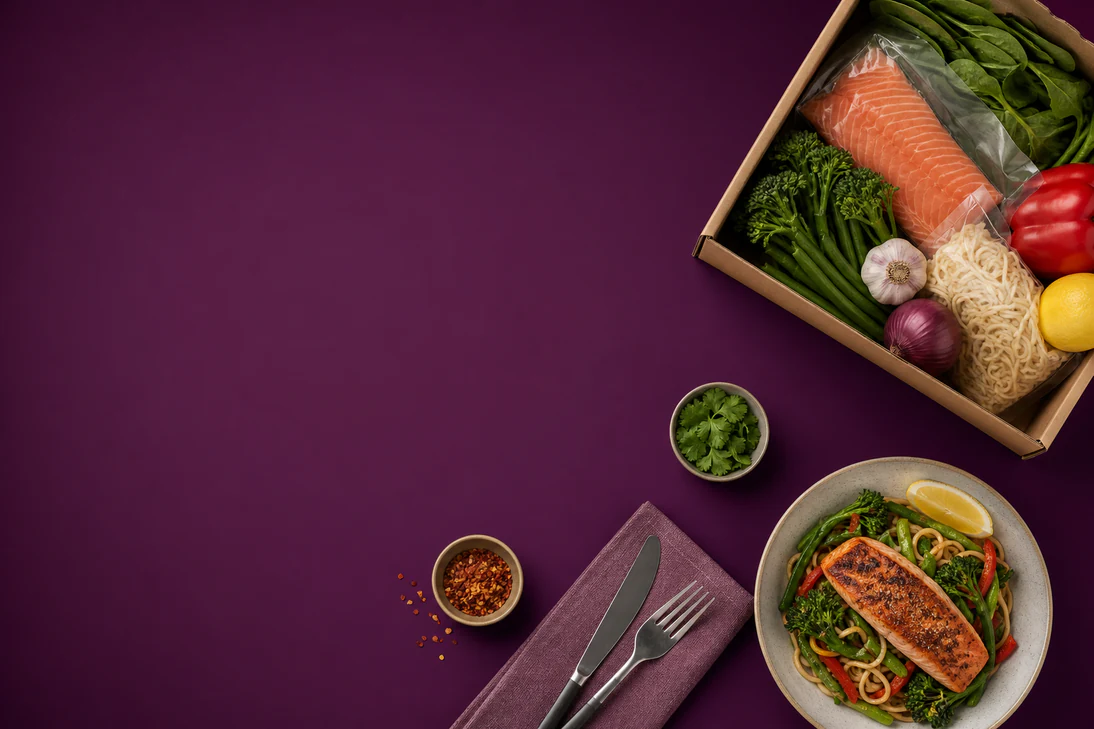
MFB’s standalone plan centres on strengthening its core customer and brand portfolio, expanding into new channels and customer occasions, improving margins and operating leverage, and allocating capital selectively. The company specifically identified the My Food Bag Shop and new business-to-business and partnership channels as avenues for expansion.
Technology, procurement, supply-chain efficiency and selective vertical integration are expected to support margin improvement, while organic growth from the existing platform will remain the primary strategic focus. Mergers and acquisitions are not required for the plan to proceed, and any opportunity would need to meet a “high strategic and financial threshold”, particularly where it could add scale or capabilities MFB cannot build as efficiently itself.
Dividend Payout Range Set at 70% to 90% of NPAT
The board will target fully imputed ordinary dividends equal to 70% to 90% of NPAT over a full financial year. That is a target rather than a commitment: the eventual payout will depend on financial performance, cash requirements, solvency, balance-sheet strength and investment opportunities.
MFB has also moved into a net cash position and is evaluating whether to return surplus capital to shareholders next year in addition to ordinary dividends. No decision has been made on the form, amount or timing of any such payment, leaving the potential distribution as an open capital-allocation question rather than an announced transaction.
Interim Results Will Test the Standalone Case
The next hard evidence comes with MFB’s interim results later in November. Those figures should provide the first meaningful test of how the company’s cash generation, operating improvements and investment requirements fit alongside the new dividend target and any possible surplus-capital return.
Get NZX:MFB news the moment it breaks
 iPhone & iPad
 Android
Bottom Line?
The review removes takeover speculation but raises a more practical test: whether MFB can fund growth and sustain high distributions from its own cash generation.
Questions in the middle?
- How much surplus capital, if any, will the board ultimately make available to shareholders?
- Can the 70% to 90% NPAT dividend target coexist with investment in new channels and operational improvements?
- Will the interim results show enough margin and cash-flow momentum to support the standalone plan?
Sources
1-
My Food Bag completes Review and confirms growth and capital allocation plan (opens in a new tab)Verified company source. My Food Bag Group Limited · 4 Nov 2026 · investors.myfoodbag.co.nz