Lode turns Montezuma ore into high-purity antimony metal

Lode Resources has produced antimony cathode grading up to 99.5% in laboratory testing at its Montezuma project in Tasmania, with recoveries reaching 95%. The results support a conventional processing route, while a potential 100-tonne direct shipping ore shipment and an updated resource remain ahead.
- 99-99.5% antimony cathode produced by laboratory electrowinning
- Antimony recovery reached up to 95% using recycled electrolyte
- Flotation retained 98.2% of antimony while rejecting more than 40% of mass
- Potential initial 100-tonne direct shipping ore shipment under discussion
- Updated resource due in December and scoping study targeted for Q1 2027
 Add us as a preferred source on Google
Laboratory testwork confirms antimony metal route
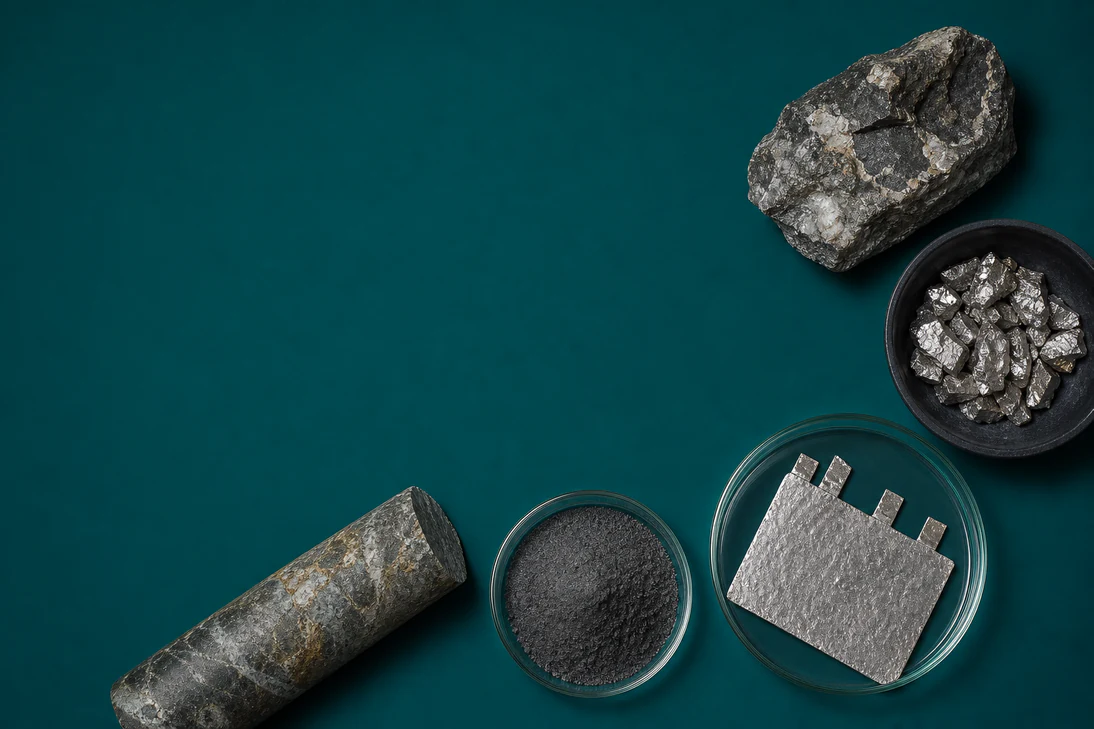
Lode Resources Ltd (ASX:LDR) has cleared a significant technical hurdle at its Montezuma Silver & Antimony Project, producing a smooth antimony cathode grading 99-99.5% in laboratory-scale electrowinning. Antimony recovery reached up to 95%, giving Lode a route to a higher-value metal product rather than relying solely on antimony concentrates, oxides or sulphides.
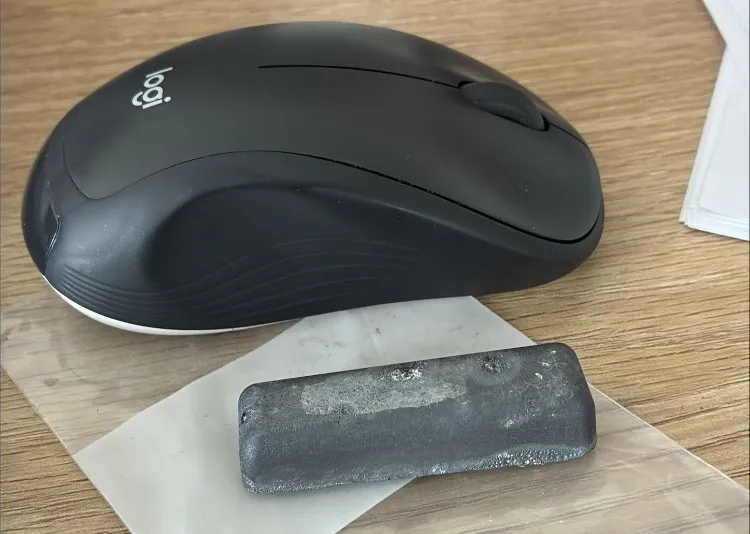
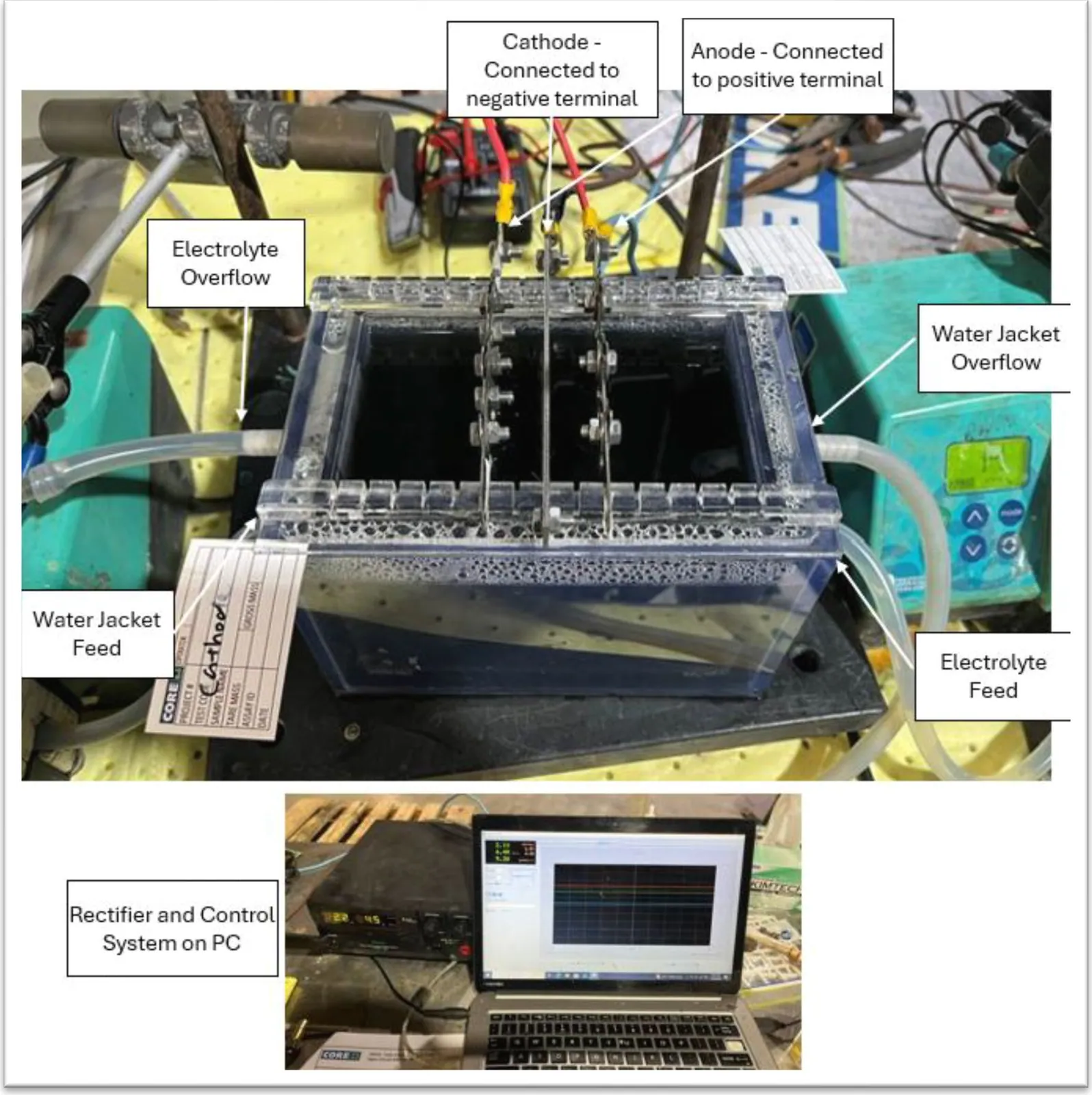
The result is based on composite samples taken from diamond drill core and material from an exploration drive, not a pilot plant or commercial operation. Even so, the testwork supports a conventional flowsheet of crushing, grinding, flotation, alkaline leaching and electrowinning. Lode said the result confirms a critical part of the processing flowsheet now feeding its Montezuma scoping study.
Flotation concentrates antimony before electrowinning
Rougher flotation upgraded the antimony feed to 4.08% while recovering 98.2% of the antimony and rejecting more than 40% of the mass. The concentrate also retained 98.7% of the silver, 97.9% of the lead, 98.7% of the copper and 89.1% of the gold in the test sample, although the eventual commercial recovery of those metals remains to be established.
Alkaline leaching extracted between 87% and 90% of the antimony in the initial tests. A later batch reached 95% extraction after spent electrowinning electrolyte was recycled into the leach without fresh sodium sulphide, sodium hydroxide or water. The company says this is consistent with sulphide being regenerated during antimony deposition, but the scale, cost and operating conditions required to reproduce that result outside the laboratory are still unknown.
Residual metals add potential to the flowsheet
The leach residue remained amenable to flotation, with further work targeting a bulk concentrate containing silver, copper, tin, gold and lead. Separate sighter flotation testing on Maestries silver-zinc-lead mineralisation returned recoveries of 97.6% for zinc, 93.9% for silver and 92.8% for lead from a single sample.
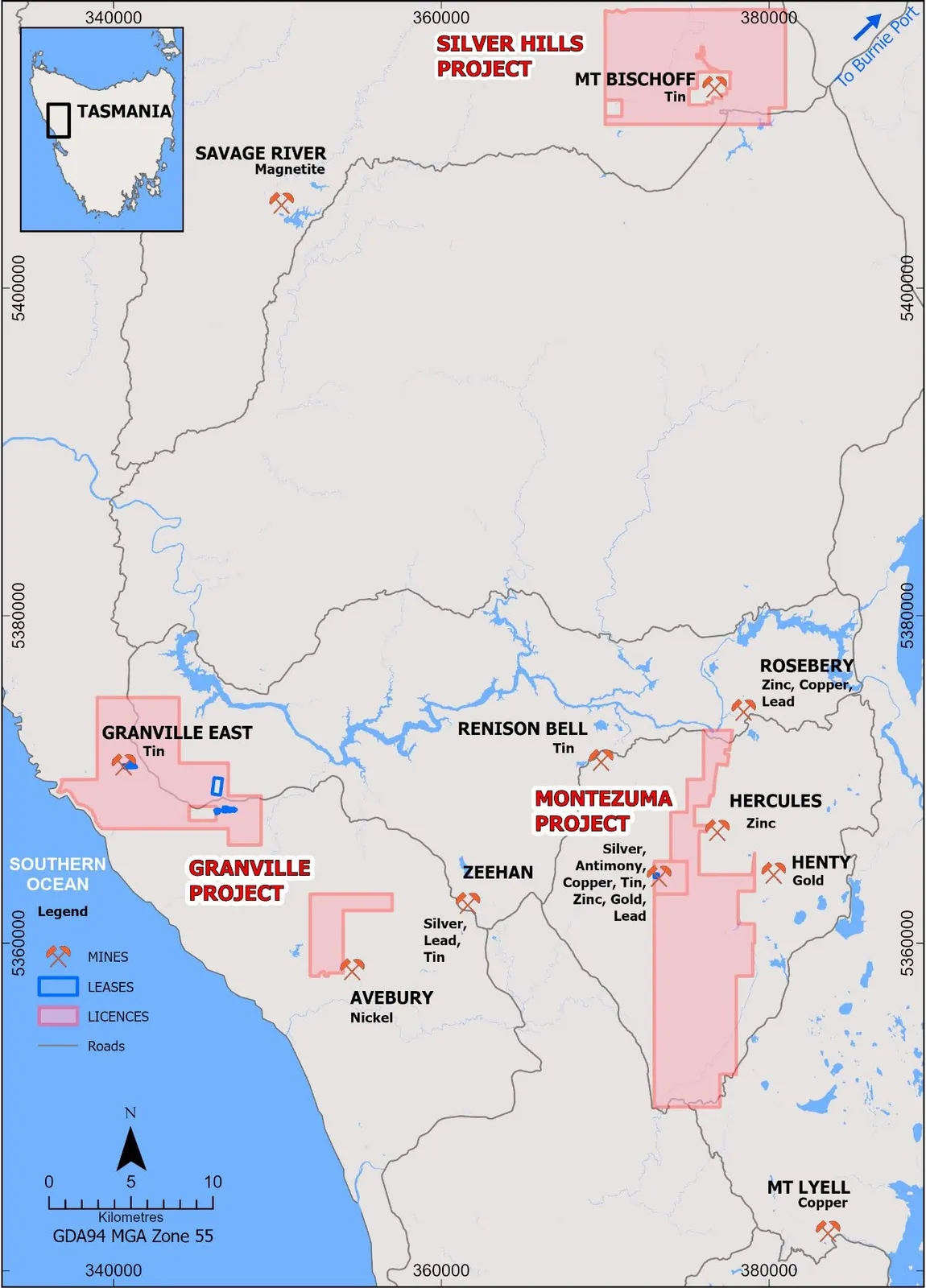
That broader polymetallic potential matters because Montezuma is not being tested as a single-metal project. The work arrives after Lode reported a maiden Montezuma resource of 8.2 million ounces of silver equivalent, but the latest announcement does not provide project economics, operating costs or a completed development case.
Drilling and possible early ore sales move next
The current Montezuma drilling campaign has finished, with an updated mineral resource targeted for December. Mine designs and schedules are expected to feed into the scoping study, while Pitch Black Group has begun engineering, process design and cost work aimed at completing that study by the end of the first quarter of 2027.
In parallel, Lode said discussions are advancing with potential offtake partners over an initial 100-tonne shipment of direct shipping ore already mined from high-grade, near-surface material. That is a possibility under discussion, not a binding sales agreement. The next test for the story is whether the promising laboratory flowsheet, resource update and potential early shipment can be translated into a credible commercial and mining plan.
Get ASX:LDR news the moment it breaks
 iPhone & iPad
 Android
Bottom Line?
The metallurgy has strengthened Montezuma’s development case, but the decisive evidence will come from scale-up, cost estimates, a larger resource and any binding offtake arrangement.
Questions in the middle?
- Can the 95% antimony recovery and electrolyte recycling result be maintained at a larger processing scale?
- What resource and mine schedule will emerge from the December update?
- Will the proposed 100-tonne direct shipping ore shipment become a binding commercial transaction?
Sources
1-
Testwork Produces High-Purity Antimony Metal from Montezuma (opens in a new tab)Verified company source. Lode Resources Ltd · 9 Nov 2026 · loderesources.com