Aldoro’s Avondschaduw targets deliver sulphides in both maiden holes

Aldoro Resources has completed its maiden two-hole drilling program at Namibia’s Avondschaduw prospect, intersecting visible sulphides in both holes across IP-targeted zones. The encouraging geology is preliminary, with laboratory assays still pending and true widths yet to be established.
- 866.20 metres drilled across two reconnaissance diamond holes
- Visible pyrrhotite, pyrite and chalcopyrite intersected in both holes
- AD002 recorded a 41.80-metre downhole main sulphide zone
- AD001 samples dispatched for gold and multi-element assays
- Rig moving to Kameelburg for three niobium follow-up holes
 Add us as a preferred source on Google
Two Avondschaduw holes confirm IP-targeted sulphides
Aldoro Resources Limited (ASX:ARN) has found visible sulphide mineralisation in both maiden diamond holes at its Avondschaduw copper-gold prospect in Namibia, giving the company geological confirmation that its 2026 Induced Polarisation targets were tracking a real bedrock system.
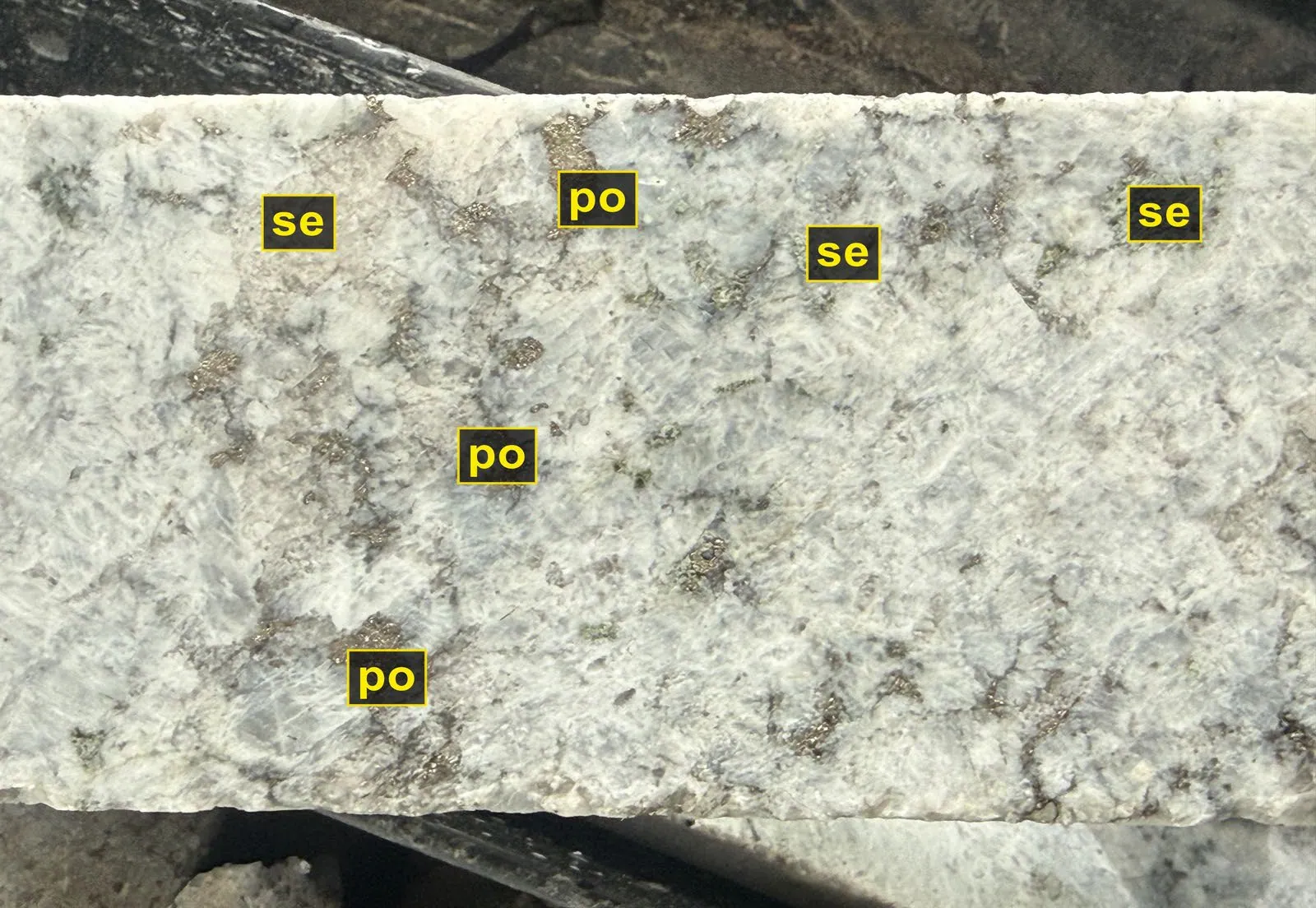
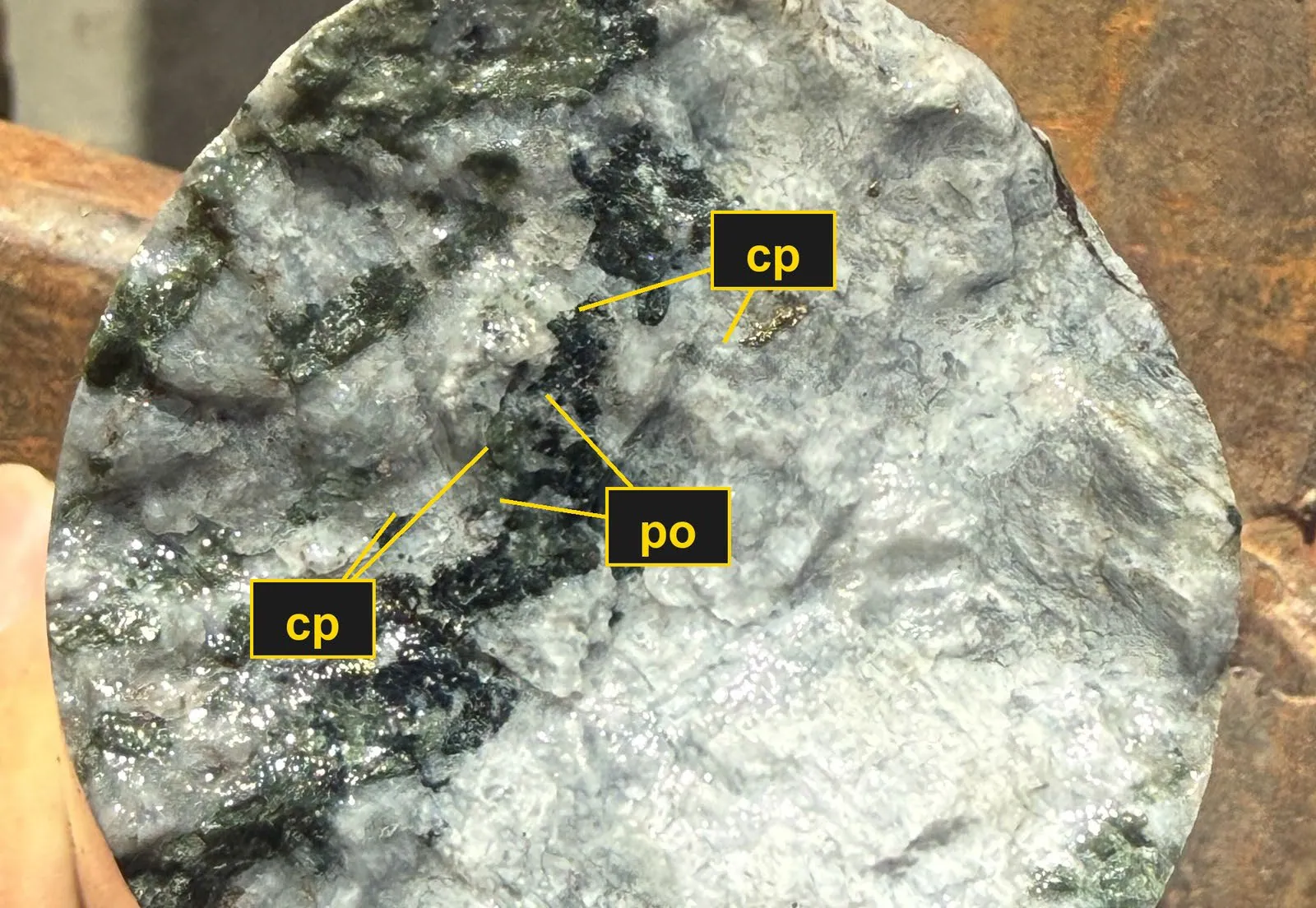
The two holes, drilled 700 metres apart, totalled 866.20 metres. AD001 reached 532.70 metres on IP Line 5500, while AD002 reached 333.50 metres on Line 6200. Both intersected altered host rocks containing pyrrhotite and pyrite, with chalcopyrite also observed in each hole. The result supports the company’s description of a sulphide-bearing corridor, but does not yet establish a mineral resource or economic discovery.
AD002 carries the strongest visual sulphide interval
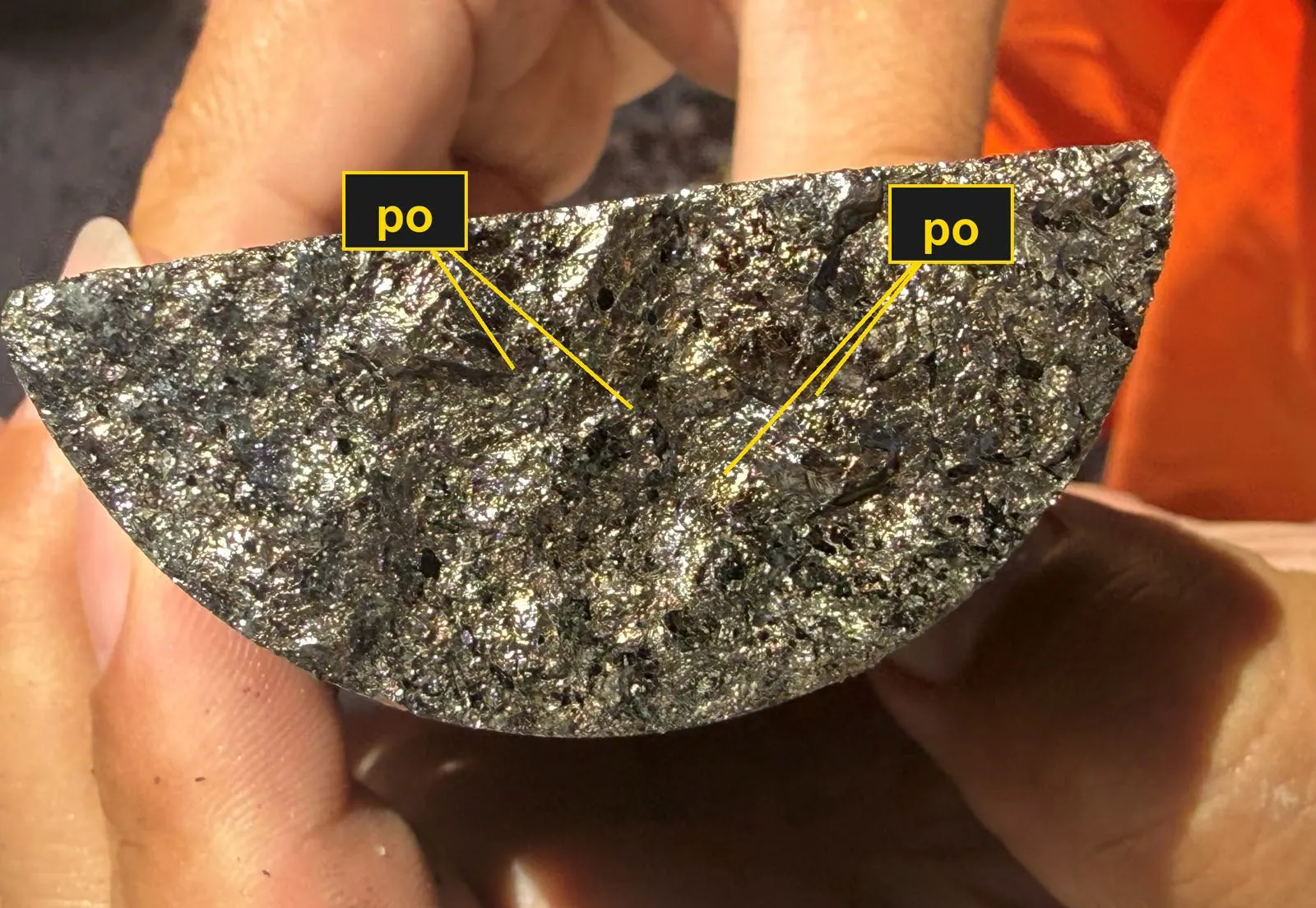
AD002 produced the clearest visual highlight: a 41.80-metre downhole zone from 182.70 metres to 224.50 metres in strongly altered, quartz-veined syenogranite. Aldoro recorded average visual sulphide abundance of 3% to 5% across the broader interval, locally rising to 5% to 10%, dominated by pyrrhotite with lesser pyrite.
The hole also cut visible chalcopyrite at 62.60 metres, semi-massive pyrrhotite bands near 164 metres and 187 metres, and a deeper quartz-vein-hosted sulphide zone extending from 258.80 metres to 314.20 metres. AD001 intersected more than 250 metres of combined altered zones and 19 silicified felsic dykes, including chalcopyrite intergrown with pyrrhotite at 334.10 metres to 335.00 metres.
Assays remain the decisive test
The market still has no grades to work with. Aldoro’s observations come from preliminary visual logging, and the company explicitly cautions that visual sulphide percentages are not a proxy for metal concentrations. All reported intervals are downhole lengths rather than true widths, while the reconnaissance spacing and absence of systematic structural orientation mean the geometry and continuity of the mineralisation remain unresolved.
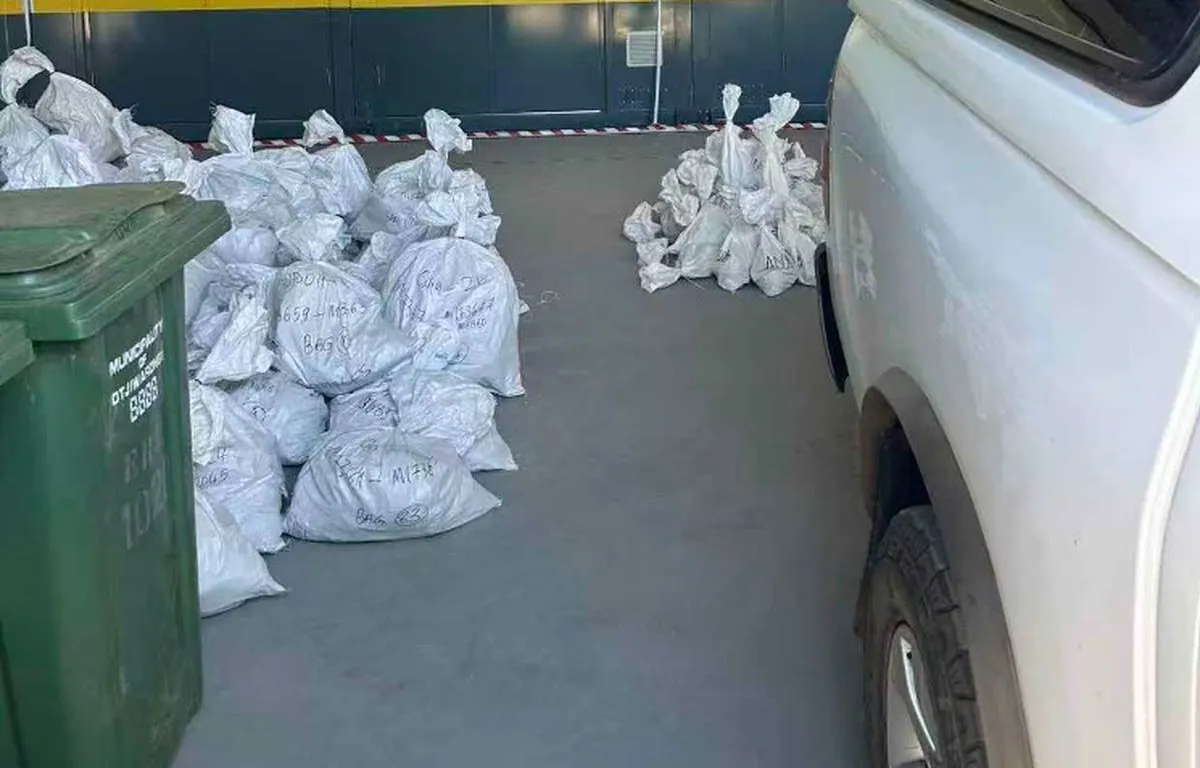
Samples from AD001, comprising 47 half-core samples across 13 mineralised intervals, have been delivered to a laboratory in Otjiwarongo for gold and multi-element analysis. A further 62 samples from AD002 have been cut on site and are being prepared for dispatch. Those assays will determine whether the visible sulphides carry meaningful copper and gold grades, and whether the broadest intervals translate into anything comparable in true geological width.
Drilling shifts back to Kameelburg
With the two planned Avondschaduw holes complete, Aldoro is redeploying its diamond rig to the DD003 pad at the Kameelburg Project for three follow-up holes targeting high-grade niobium mineralisation. The company plans to combine the Avondschaduw assays with geological logging and geophysical models before deciding on further work across the copper-gold corridor.
That creates two separate near-term exploration tests: assay results from Avondschaduw and fresh niobium drilling at Kameelburg. For Avondschaduw, the central question is no longer whether the IP anomalies correspond to sulphide-bearing rock. It is whether the laboratory results can convert promising core textures into grades, widths and continuity that justify the next round of drilling.
Get ASX:ARN news the moment it breaks
 iPhone & iPad
 Android
Bottom Line?
Avondschaduw has passed an important targeting test, but assays, true widths and geological continuity will decide whether the sulphides represent a meaningful copper-gold discovery.
Questions in the middle?
- What copper and gold grades will the Otjiwarongo assays return from the visually mineralised intervals?
- How closely will the downhole sulphide lengths reflect the true width and geometry of the system?
- Will the combined assay, geological and geophysical data support follow-up drilling across the 700-metre corridor?
Sources
1-
Avondschaduw Drilling Intersects Sulphide Mineralisation (opens in a new tab)Official market announcement. Aldoro Resources Limited · 11 Nov 2026 · aldororesources.com