GCM broadens thermal strategy with JSY partnership and ALVC evaluation product

3 min read
9:47am on Wednesday 11th of November, 2026 AEDT ~9am, 11th Nov, 26
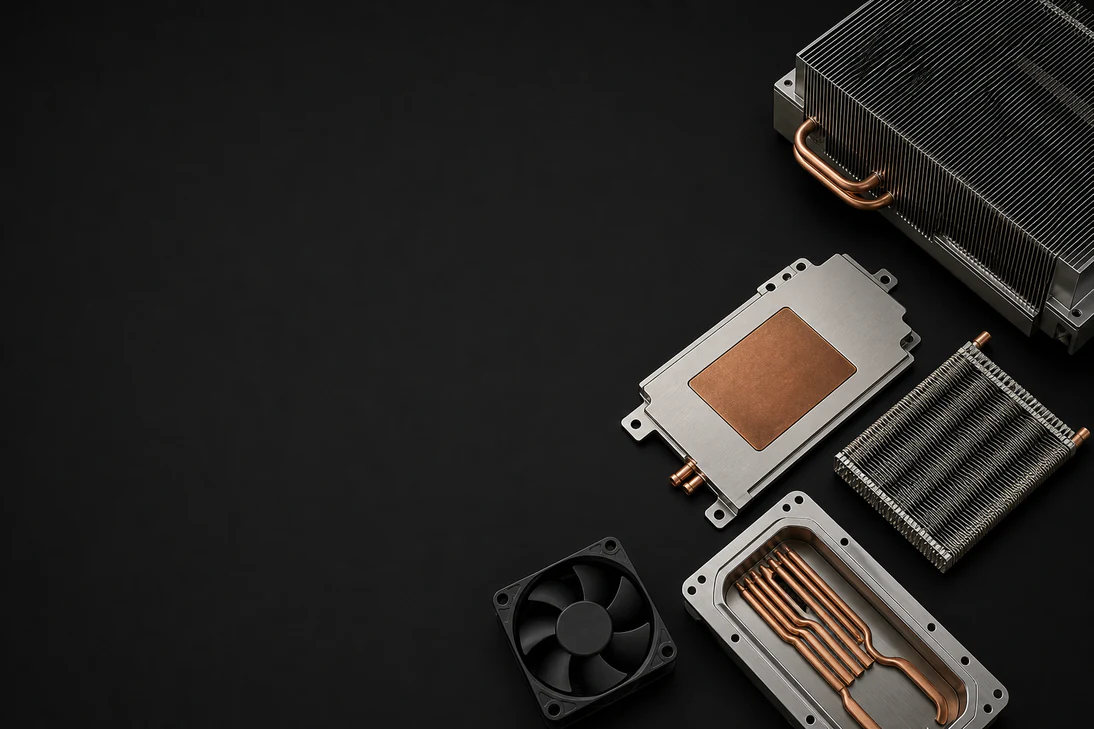
GCM has signed a 24-month development agreement with Shenzhen-based JSY to combine its VHD heat plate with JSY’s zipper fin technology. The company has also begun manufacturing an integrated evaluation product with ALVC, but neither programme yet carries committed revenue or production volumes.
- 24-month binding JDA with Shenzhen Jinshiyu Technology
- JSY to lead sales and source GCM VHD heat plates
- No minimum purchases, customer orders or committed production revenue
- ALVC programme advances from prototyping to evaluation-product manufacture
- Technical testing, customer approval and commercial terms remain outstanding
 Add us as a preferred source on Google
JSY agreement expands GCM’s thermal product pipeline
GCM Corporation Limited (ASX:GCM) has added a second Shenzhen-based development partner to its thermal-management push, signing a binding 24-month joint development agreement with Shenzhen Jinshiyu Technology Co., Ltd to combine JSY’s zipper fin technology with GCM’s VHD heat plate.
The arrangement gives the companies a framework to design, prototype, test and refine an integrated product. JSY will provide and adapt its zipper fin component, contribute to design and testing, and lead sales and marketing of any finished product. GCM will adapt its VHD heat plate and support integration, testing and production-readiness work.
Commercially, the most important provision is also the most conditional: JSY is expected to source the VHD heat plates required for the product from GCM, subject to agreed terms, accepted purchase orders, specifications and production capacity. The agreement contains no minimum purchase commitment, production volume or customer order, leaving GCM unable to quantify potential revenue.
Product launch remains dependent on testing and negotiations
The development plan is yet to be agreed and may cover interface design, thermal simulation, prototype manufacture, testing, design revisions and production-readiness work. The parties must separately settle performance assumptions, acceptance criteria, pricing, forecasts, minimum order quantities, payment terms, warranty allocation and margins.
A successful prototype or test would not, by itself, require either party to proceed to commercial launch. Product performance, manufacturability, customer suitability and commercial feasibility still need to be established. Product-specific worldwide exclusivity applies during the JDA term, although the agreement includes carve-outs and allows early termination; any exclusivity after a commercial launch would depend on further conditions such as purchase volumes, sales targets or development funding.
ALVC programme reaches evaluation-product manufacture
GCM’s separate programme with Shenzhen Wanwei Heat Conduction Technology, known as ALVC, has moved from initial prototyping to manufacturing an integrated evaluation product for presentation to an identified prospective customer. The product combines ALVC’s vapour chamber with GCM’s VHD heat sink, following the 24-month ALVC development agreement signed earlier this year.
That step is a progression in the development process, rather than evidence of commercial qualification. The prospective customer has yet to undertake the proposed application testing, and GCM says manufacture of the evaluation product does not establish an accepted production order or commercial revenue.
Qualification timetable remains the central risk
Both programmes sit within GCM’s broader customer-qualification process, which includes prototype testing, application testing, customer approvals and commercial discussions. The company said in its September quarterly report that progression towards production scale and repeat orders was taking longer than originally anticipated, and the latest announcement does not establish a reliable timeframe for new commercial orders.
The next tangible markers are therefore practical rather than financial: an agreed JSY development plan, prototype and validation results, ALVC application testing, customer feedback, commercial agreements and any accepted purchase orders. Until those arrive, GCM has expanded its potential product architecture and partner network, but the distance between engineering milestone and recurring revenue remains substantial.
Get ASX:GCM news the moment it breaks
 iPhone & iPad
 Android
Bottom Line?
GCM now has two partner-led routes towards integrated thermal products, but customer testing and binding commercial orders remain the milestones that could turn development activity into revenue.
Questions in the middle?
- Can the JSY and ALVC products meet customer performance, quality and cost requirements in application testing?
- When will GCM and JSY agree commercial terms, including pricing, minimum orders and any post-launch exclusivity?
- Will either programme produce an accepted production order before GCM’s qualification timeline and funding position become more pressing?
Sources
1-
GCM Signs Binding JDA for Thermal Management Product (opens in a new tab)Official market announcement. Gcm Corporation Limited · 11 Nov 2026 · gcminerals.com.au