Gold Mountain uncovers a second exploration story at Brazil rare earth project

Gold Mountain has identified widespread rare earth and gold anomalies across the southern Down Under Project in Brazil, including stronger multi-element signals at the Planalto prospect. The results are encouraging at an exploration level, but the company still needs permits, drilling and follow-up work to establish whether the anomalies reflect economic mineralisation.
- 196 new stream sediment samples interpreted across Poções and Planalto
- TREO anomalies identified across multiple catchments
- Large gold anomalies supported by arsenic, antimony, bismuth and molybdenum
- Auger drilling, radiometric traversing and soil sampling planned
- No drilling or mineral resource estimate reported

 Add us as a preferred source on Google
Stream Sediment Program Expands Down Under Target Pipeline
Gold Mountain Limited (ASX:GMN) has added a substantial new layer of exploration targets at its Down Under Project in eastern Brazil, with 196 new regional stream sediment samples confirming rare earth oxide anomalies and highlighting a separate, large-scale gold system at the Planalto prospect.
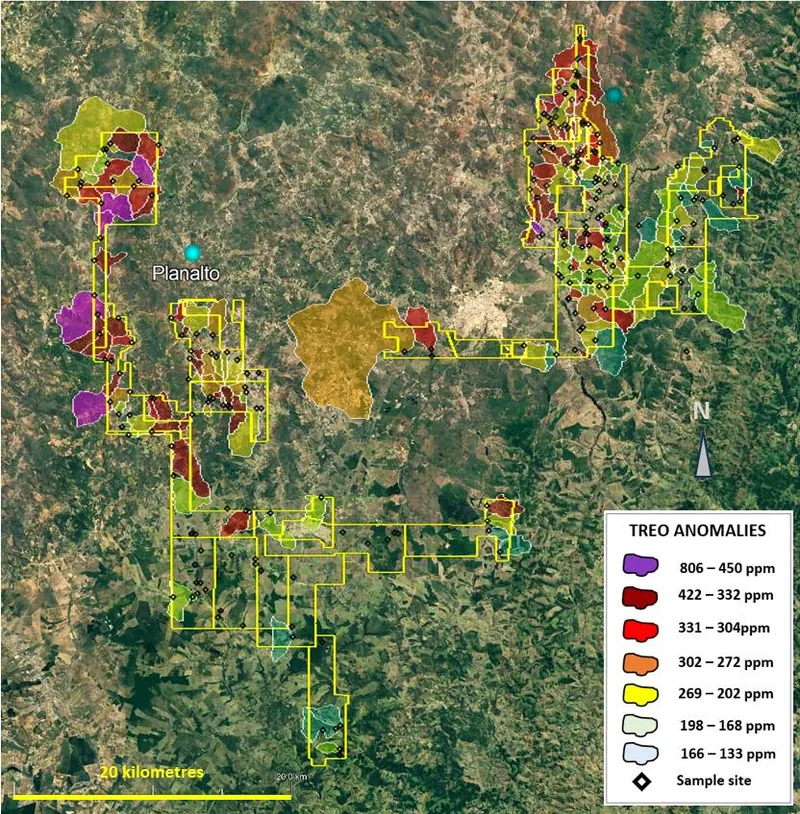
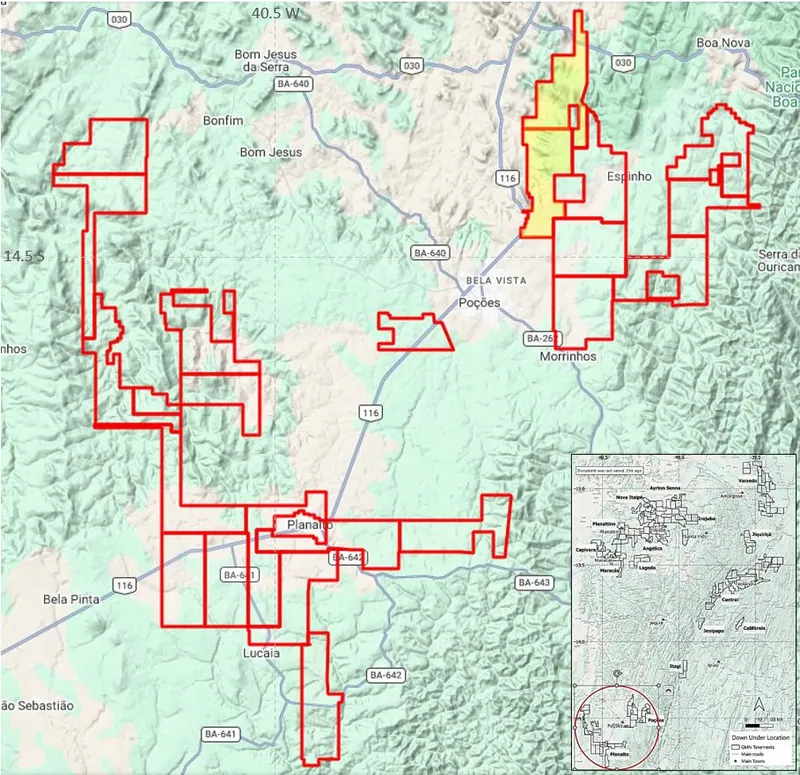
The results cover the Poções and Planalto areas within the southern tenements. Across the broader program, Gold Mountain collected 247 samples, including 51 reported previously. The company says the reinterpretation has defined multiple TREO, or total rare earth oxide, target zones and completed infill coverage over previously interpreted NNE-trending mineralised corridors.
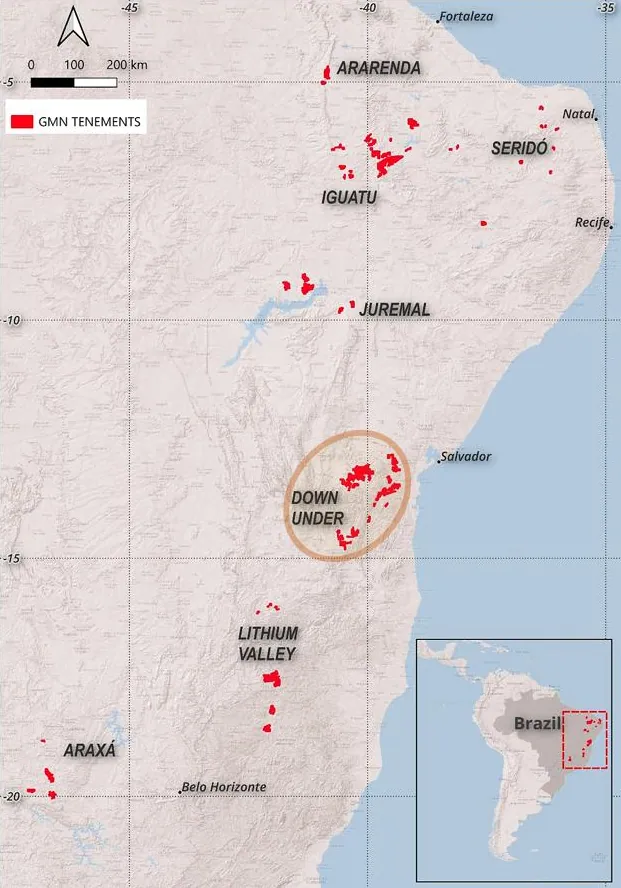
The update builds on the company's recent Down Under auger program, which reported reconnaissance rare earth mineralisation extending at least 13 kilometres west of the Irajuba Exploration Target. Today's results concern different prospects, but point to the same project becoming a progressively larger collection of targets rather than a single defined deposit.
Planalto Gold Anomalies Add a Second Exploration Thread
The more unexpected element is the gold signal. Gold Mountain says the strongest and most extensive gold-multi-element anomalies occur across Planalto, where gold is accompanied by arsenic, antimony, bismuth and molybdenum. The company interprets the targets as potentially structurally controlled and notes an artisanal mining working in the southeastern part of one tenement near moderate gold, arsenic and bismuth anomalies.
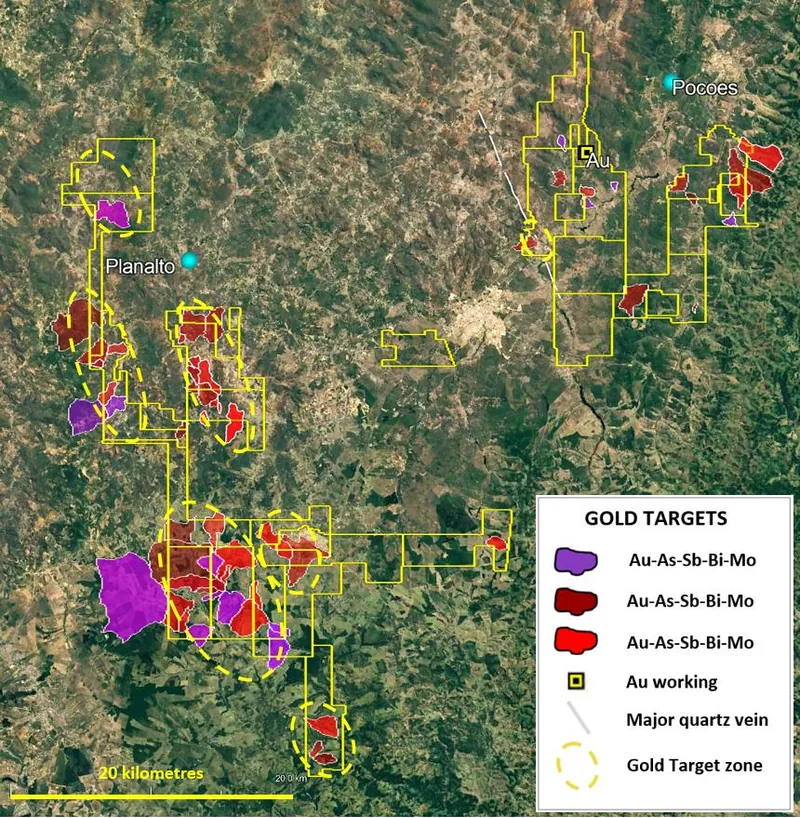
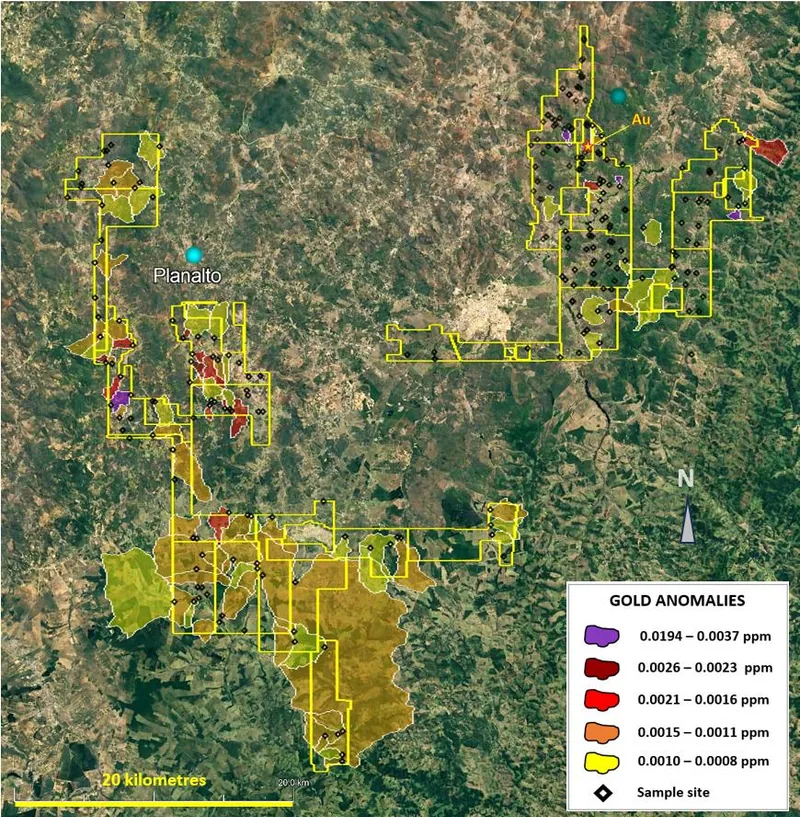
That is still an exploration interpretation, not a discovery of a defined gold deposit. The company says no gold occurrences are currently recorded in the relevant ANM databases, while the sampling work was designed to identify anomalous catchments rather than measure in-situ grades at depth.
Follow-Up Work Depends on Permits and Ground Testing
Gold Mountain plans targeted auger drilling over the highest TREO values and other priority areas, with access agreements and permitting applications underway. Radiometric traverses are also planned across the strongest catchments and proposed drill lines to help identify potential hard-rock rare earth mineralisation.
For the gold targets, the next steps include auger or soil sampling, geological mapping, detailed geophysical surveys and infill work before drill targets are finalised. The company has not yet reported drilling from these prospects, a mineral resource estimate or an economic assessment.
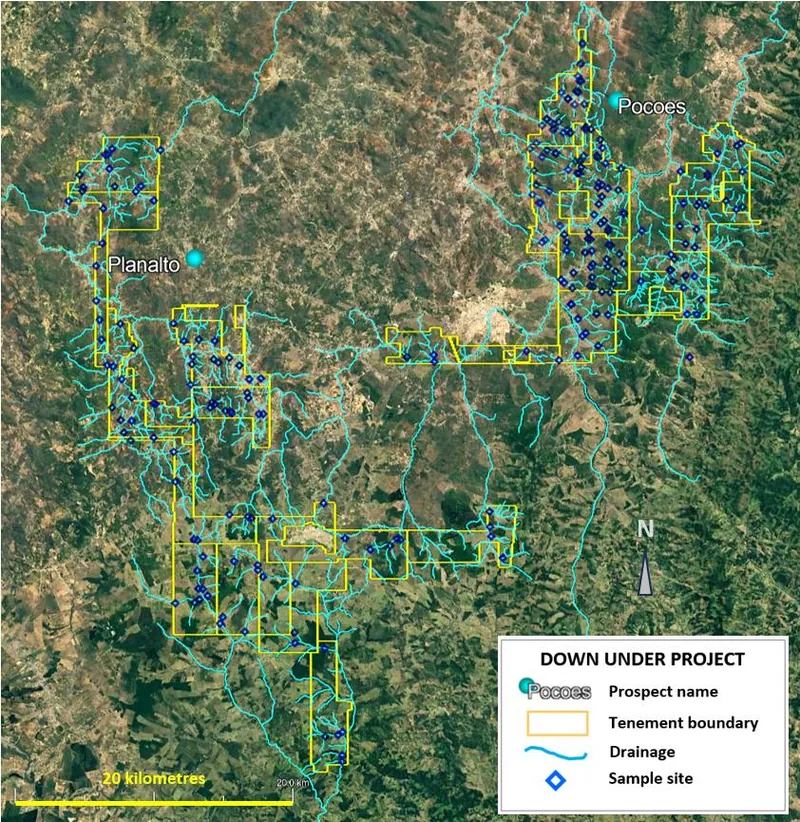
The technical limitations matter. The stream sediment samples were processed using a partial two-acid digest, and the company states that standards, duplicates and blanks did not accompany the samples. Gold Mountain also says the results will not be used in a resource estimate. The practical test is therefore whether follow-up auger and eventual diamond drilling can convert catchment-scale anomalies into continuous, in-situ mineralisation with credible widths and grades.
Get ASX:GMN news the moment it breaks
 iPhone & iPad
 Android
Bottom Line?
The target inventory is growing, but the next value-bearing milestone is ground confirmation through permitted drilling, not another anomaly map.
Questions in the middle?
- When will access agreements and permits allow auger drilling to begin at the highest-priority TREO and gold targets?
- Will follow-up sampling confirm that the Planalto gold anomalies represent continuous in-situ mineralisation rather than dispersed catchment signals?
- Can the preserved plateau and underlying saprolite produce REE grades and recoveries strong enough to support resource drilling?
Sources
1-
New REE and Gold Results for Pocoes and Planalto Prospects (opens in a new tab)Official market announcement. Gold Mountain Limited · 11 Nov 2026 · investorhub.goldmountainltd.com.au