Carma reaffirms 80% FY27 growth target as second shift nears

Carma has reaffirmed its target for FY27 revenue growth above 80% and says it expects to reach positive EBITDA before the end of calendar 2027. The online used-car retailer is relying on record early trading, AI-led productivity gains and a second reconditioning shift to close the gap between scale and profitability.
- FY26 revenue rose 59% to A$113.8 million
- Gross profit doubled to A$10.5 million
- Retail deliveries more than doubled in the September quarter
- Second St Peters shift planned for the March quarter
- Positive EBITDA expected at 45 to 60 units reconditioned per day

 Add us as a preferred source on Google
Carma sets profitability threshold at 45 to 60 units a day
Carma Limited (ASX:CMA) has put a measurable operating threshold around its profitability ambition, saying it expects to cross into positive EBITDA when the St Peters facility is reconditioning between 45 and 60 retail vehicles per operating day. The company expects to reach that range before the end of calendar 2027, although the target remains dependent on execution, inventory turnover, market conditions and working capital.
The forecast is the centrepiece of Carma’s first annual general meeting as a listed company. Management reaffirmed its expectation for FY27 revenue growth above 80%, a second shift at St Peters during the March quarter, and an exit rate of more than 35 retail units reconditioned per day, equivalent to about 750 retail units a month.
Record September quarter extends Carma’s growth run
Carma’s operating figures provide momentum for that plan. FY26 revenue rose 59% to A$113.8 million, with 5,416 vehicles delivered and gross profit more than doubling to A$10.5 million. The pro forma EBITDA loss narrowed as a proportion of revenue to 26.5%, but remained A$30.2 million, while the statutory loss after tax was A$49.6 million after one-off IPO and convertible-note costs.
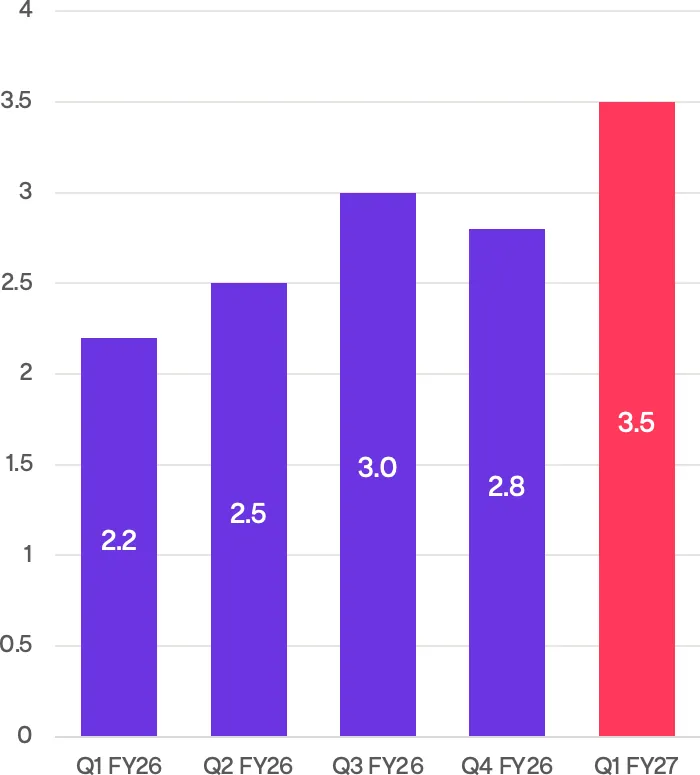
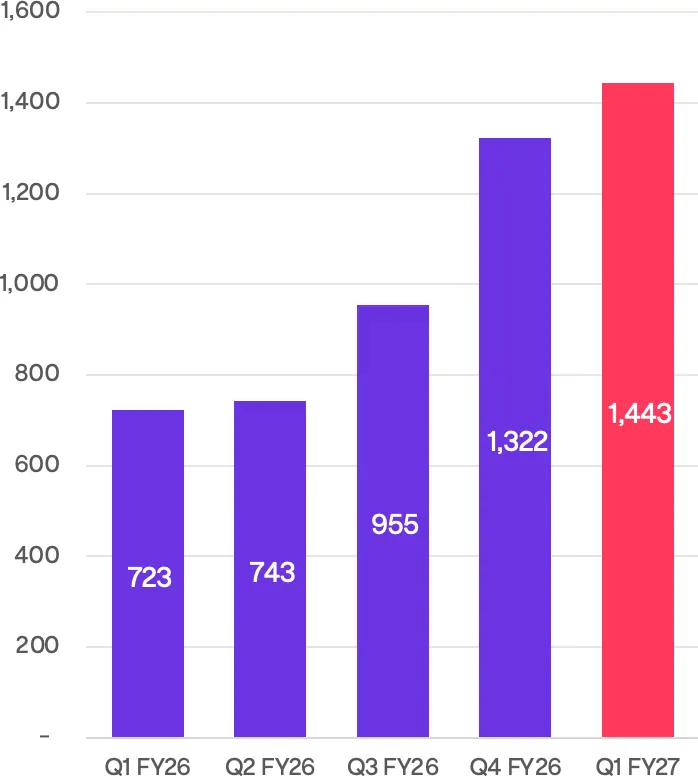
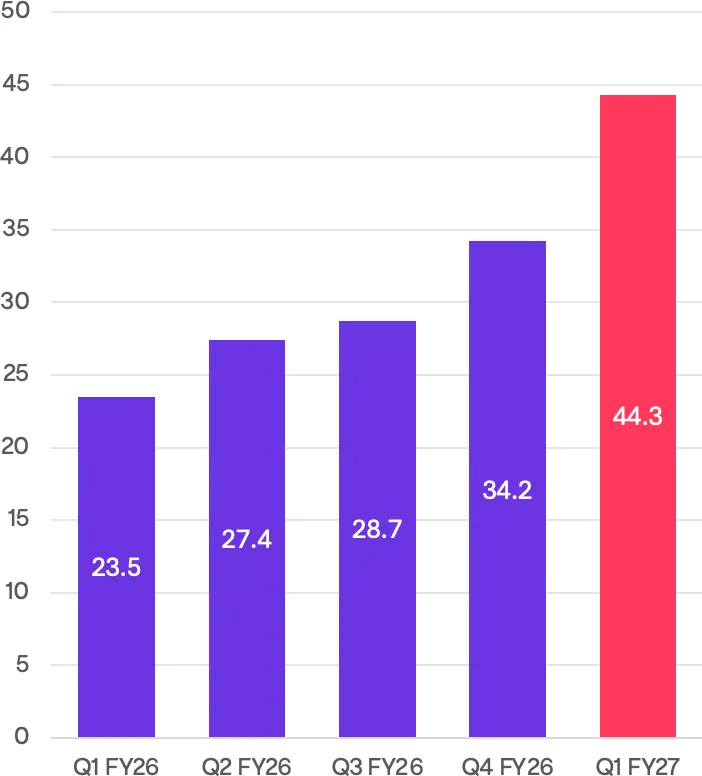
The September quarter was the company’s strongest to date, with 2,100 vehicles sold, A$44.3 million of revenue and A$3.5 million of gross profit. Retail deliveries rose 114% year on year to 1,354 vehicles. That result was detailed in record September quarter coverage, which also highlighted A$10.2 million of operating cash outflow in the quarter.
Market pressure has eased, but unit economics remain mixed
Carma said used-car prices stabilised during the September quarter after weakening from March, when higher fuel prices and softer consumer confidence pushed inventory days to 52 and caused wholesale to make a loss for the quarter. Inventory days improved to 45 by the end of September, with 96% of cars sold within 120 days of listing.
Cars sold within 30 days generated a record retail gross profit of about A$3,300 per vehicle, up 10% from a year earlier. However, total gross profit per retail unit was A$2,500, down 27%, reflecting weaker wholesale profit and higher write-downs. October offered a stronger operational signal: Carma reconditioned 25.3 retail units per operating day, bought 818 vehicles and delivered 439 retail vehicles, all described as records.
Second shift aims to double St Peters capacity
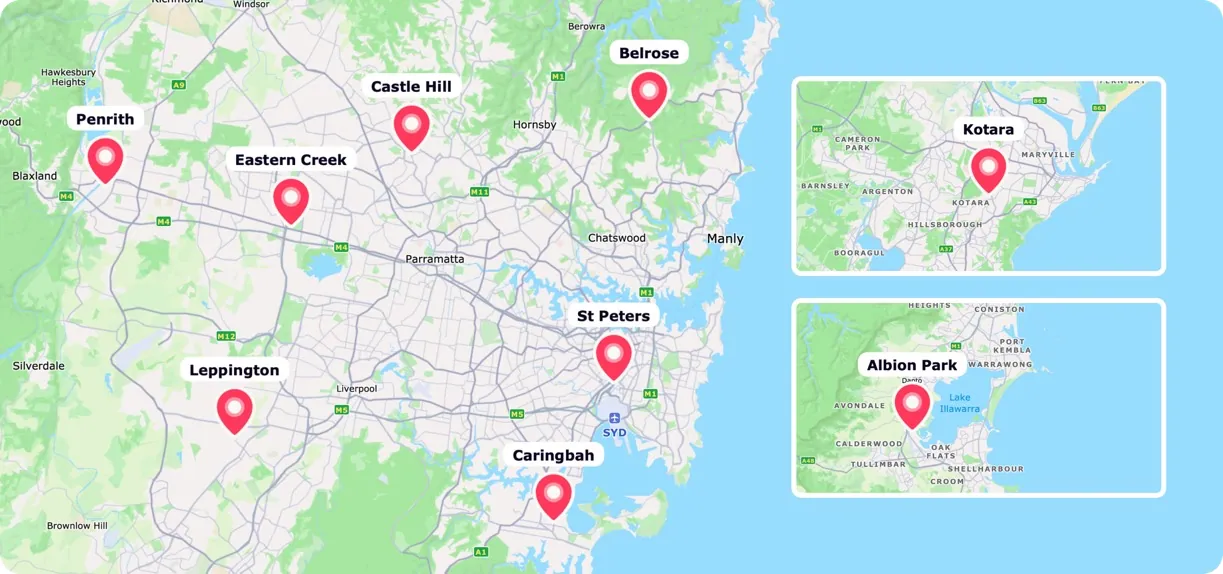
The next capacity increase is designed to use equipment Carma already owns rather than a major new capital build. The second shift is expected to lift reconditioning capacity to about 60 retail units per operating day, while a separately approved second production line could eventually take capacity to roughly 120 units a day. Carma said its nine Sell-to Carma centres supplied 89% of FY26 purchases and had more than 40% spare inspection capacity, suggesting the company believes vehicle sourcing is ready for the next leg of expansion.
That strategy follows the rapid build-out of the operating model described in FY26 capacity expansion plans, when Carma doubled gross profit and set out its plan to add a second shift. The immediate question is whether demand and inventory funding can keep pace once reconditioning capacity rises.
AI programme targets costs before revenue scale arrives
Carma is also trying to improve the economics of each vehicle through its Apollo programme and an in-house technology build. It said 35 proprietary systems were built during 2026, including 19 with AI operating across pricing, valuations, bookings, logistics, merchandising and sales. Revenue per employee rose 44% year on year to an annualised A$737,000 in the September quarter, while IT and external contractor spending was reduced from an estimated A$312,000 monthly run rate to about A$232,000, with further reductions under way.
At 30 September, Carma reported A$29.1 million of available funding, comprising A$13.1 million in cash and deposits and A$16 million of unused bailment finance. Net operating cash outflow was A$10.2 million for the quarter, or A$7.2 million excluding inventory growth and payroll timing effects. The company drew A$10 million from the bailment facility during the quarter, underlining that the expansion is working-capital intensive even if the second shift requires limited additional capital expenditure.
Listed-company scrutiny arrives before the profit test
Carma’s board acknowledged that its shares have traded below the A$2.70 IPO price since listing in November 2025. The founders, Lachlan MacGregor and Yosuke Hall, retain about 32% of the company between them, with three-quarters of their holdings voluntarily escrowed until after the FY27 results. Tanya Cox is due to join the board on 1 December as an independent non-executive director and Audit and Risk Committee chair, restoring the committee to its required complement.

The next quarterly numbers will therefore carry more weight than another broad growth pledge. Retail units reconditioned per operating day, gross profit per retail unit, inventory days, cash outflow and bailment utilisation should show whether Carma is converting its expanding platform into the 45-to-60-unit operating range it says can support positive EBITDA.
Get ASX:CMA news the moment it breaks
 iPhone & iPad
 Android
Bottom Line?
Carma has supplied a clear profitability yardstick, but the next test is whether higher throughput improves cash generation rather than simply increasing the number of vehicles and funding required.
Questions in the middle?
- Can the March-quarter second shift reach useful throughput without disrupting quality or inventory turnover?
- Will gross profit per retail unit recover as older stock clears and wholesale conditions normalise?
- How long can the current funding pool support growth if operating cash outflows remain elevated?
Sources
2-
Carma 2026 AGM Presentation (opens in a new tab)Official market announcement. Carma Limited · 13 Nov 2026 · carma.com.au
-
2026 Annual General Meeting - Chair & CEO Addresses (opens in a new tab)Official market announcement. Carma Limited · 13 Nov 2026 · carma.com.au