Lark sales rise 15.1% as shareholders reject FY27 CEO incentives

Lark Distilling reported 15.1% FY26 sales growth and entered FY27 debt-free, but shareholders delivered a sharp rebuke on executive pay and director fees. The company now has to turn its new production platform, Signature range and international push into positive operating cash flow.
- FY26 net sales rose 15.1% to $18.0 million
- Operating EBITDA loss widened to $4.5 million
- $36.2 million in non-cash goodwill and inventory adjustments
- Remuneration report and FY27 CEO performance rights rejected
- Management targets double-digit FY27 revenue growth and positive operating cash flow
 Add us as a preferred source on Google
Shareholders reject pay resolutions despite sales growth
Lark Distilling Co. Ltd (ASX:LRK) has entered its next growth phase with more cash than debt, but its shareholders have made clear that patience with executive remuneration is running thin. At the company’s annual general meeting, investors rejected the FY26 Remuneration Report, a proposed increase in the non-executive director fee pool and the grant of Stuart Gregor’s FY27 performance rights.
The Remuneration Report was opposed by 59.47% of recorded votes, producing a first strike. The proposed increase in the annual director fee pool from $400,000 to $450,000 was rejected by 59.46%, while the proposed grant of up to 729,948 FY27 performance rights to Gregor was opposed by 64.60%. The FY26 grant of up to 328,030 performance rights was approved with 80.55% support.
Chair Domenic Panaccio said the Board did not take the remuneration result lightly. He said the company would review the structure of Gregor’s FY27 incentive after shareholder feedback, while maintaining its support for the CEO and the strategy. If the fee-pool increase fails, Panaccio said director fees will remain within the existing limit during the Board transition, likely requiring reductions after Bryan Fry’s appointment.
FY26 sales rose as losses and write-downs remained material
The governance backlash arrived alongside a mixed operating result. Net sales rose 15.1% to $18.0 million in FY26, compared with $15.6 million a year earlier, with the strongest growth coming from exports, up 69%, and Global Travel Retail, up 43%. Fourth-quarter sales reached approximately $5 million, helped by the launch of the new Signature range. The earlier Signature range launch had introduced the portfolio refresh and design awards that now sit at the centre of Lark’s commercial strategy.
That growth did not yet translate into improved operating earnings. Lark recorded an operating EBITDA loss of $4.5 million, compared with a $4.2 million loss in FY25, as it continued investing in sales, marketing and distribution capabilities. The company also recognised $36.2 million in non-cash adjustments, comprising a $20.7 million goodwill impairment and a $15.5 million inventory write-down.
Management described the balance-sheet adjustments as a reset rather than a cash cost. Lark finished 30 June 2026 with $14.3 million in cash and no debt, while its whisky inventory was valued at $49.4 million after the write-down. The business also holds approximately 2.4 million litres of maturing whisky, giving it substantial stock to commercialise if sales growth develops as planned.
China weakness clouds an otherwise ambitious FY27 plan
Management is targeting double-digit revenue growth in FY27, but the early trading picture is uneven. The first quarter was softer than expected, largely because of China and delayed domestic shipments, and Lark said the slow start in international channels is likely to produce a softer first half. A new mainland China distribution agreement began in October, with management describing early signs as positive, although the filing does not disclose the agreement’s commercial terms.
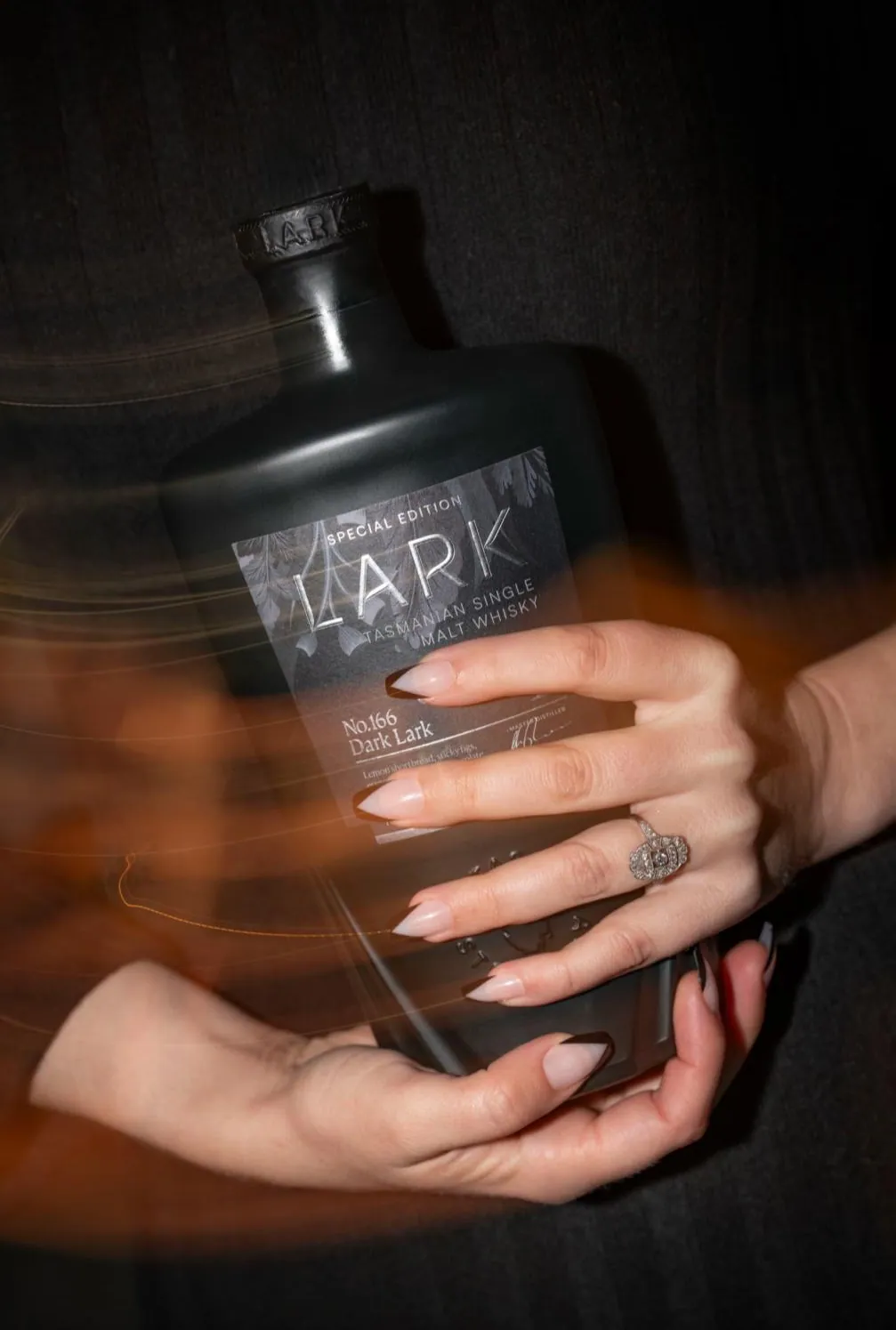
The company plans to make Dark Lark a permanent, year-round product, with a new 700mL version expected to launch widely in the fourth quarter of FY27 at around $150. Lark expects the product to reach more than 800 Australian retailers and every international airport in the country from next year. Global Travel Retail is another priority: the company has launched across all four terminals at Changi International Airport and expects further Tier One airport distribution in the region.
Board renewal begins as cash flow becomes the test
Shareholders overwhelmingly approved Bryan Fry’s election, with 99.28% of recorded votes in favour, and renewed the company’s proportional takeover provisions with 95.88% support. Panaccio said David Dearie intends to retire during 2027 once a suitable replacement is found, while the Chair’s own next re-election is due in 2028 and will depend on shareholder and Board support.
For FY27, the strategic message is straightforward: the heavy investment phase is supposed to give way to execution. Lark says Pontville is complete, further capital is not required for its current growth strategy, and the priority is to increase distribution, lift the rate of sale and reach positive operating cash flow. The next quarterly numbers will show whether the new whisky range and international channels can do more than improve the top line.
Get ASX:LRK news the moment it breaks
 iPhone & iPad
 Android
Bottom Line?
Lark has the cash, inventory and production platform to pursue growth, but FY27 now has to demonstrate that brand investment can become cash generation and restore shareholder confidence.
Questions in the middle?
- Can the new China distribution agreement reverse the softer start in international sales?
- How quickly can Dark Lark and the Signature range convert wider distribution into higher rates of sale?
- Will Lark’s revised FY27 CEO incentive structure satisfy shareholders after the first remuneration report strike?
Sources
1-
2026 Annual General Meeting Addresses & Presentation (opens in a new tab)Official market announcement. Lark Distilling Co. Ltd · 19 Nov 2026 · larkdistillery.com