Lifestyle Communities strengthens balance sheet as FY27 housing conditions remain cautious

5 min read
9:34am on Thursday 19th of November, 2026 AEDT ~9am, 19th Nov, 26
Popular on LinkedIn
Lifestyle Communities has entered FY27 with a substantially stronger balance sheet, after cutting net debt by $186.8 million and unsold inventory by 55% in FY26. The company says demand remains resilient, but slower Victorian property activity is stretching settlement timelines and tempering its next growth phase.
- Net new home sales rose 55.4% to 216 in FY26
- Net debt fell $186.8 million to $273.7 million
- Unsold inventory dropped 55% to 121 homes
- 116 DMF refund claims assessed as eligible at $9.9 million
- Pre-AGM votes showed more than 98% support for all resolutions

 Add us as a preferred source on Google
Debt reduction gives Lifestyle Communities more room to manoeuvre
Lifestyle Communities Limited (ASX:LIC) is taking a stronger balance sheet into a still-soft Victorian housing market, with net debt reduced by $186.8 million during FY26 to $273.7 million at 30 June. The land lease operator also cut unsold inventory from 269 homes to 121, a 55% reduction that points to a more cautious approach to construction and capital allocation.
The improvement came alongside a rebound in net new home sales, which rose 55.4% to 216 for the year. That recovery was achieved in difficult property conditions, although the company’s FY26 sales and debt improvement can be set against earlier coverage of the same turnaround in FY26 sales recovery, when Lifestyle Communities reported the same broad gains in sales, debt and inventory.
In January, Lifestyle Communities restructured its debt facilities from $571 million to $375 million. The revised structure includes a $250 million initial issuance under a $300 million PGIM note purchase and private shelf facility, alongside a $125 million revolving bank facility. The interest coverage covenant is suspended through reporting periods ending 31 December 2027, before stepping up to 1.75 times from the 30 June 2028 reporting period. At 30 June, the group’s loan-to-value ratio had improved to 28.7%, from 47.8% a year earlier.
FY27 sales are recovering more slowly than the balance sheet
The operating picture is less settled. Net new sales for FY27 had reached 120 by 17 November, according to the presentation, while management said ongoing weakness in the property market was tempering year-to-date momentum. Lifestyle Communities had completed 67 new home settlements and held 215 contracts, of which 121 were expected to be available for settlement in FY27.
That pipeline is not the same as near-term revenue. Seventeen customers were booked to settle before 30 June 2027 with unconditional contracts on their existing homes, while 64 were actively marketing their homes and 40 had paid deposits but had not yet listed. The company said settlement timing remained dependent on customers selling their existing properties, with current market conditions extending those timeframes. Market-led pricing is supporting sales, but moderating near-term development margins.
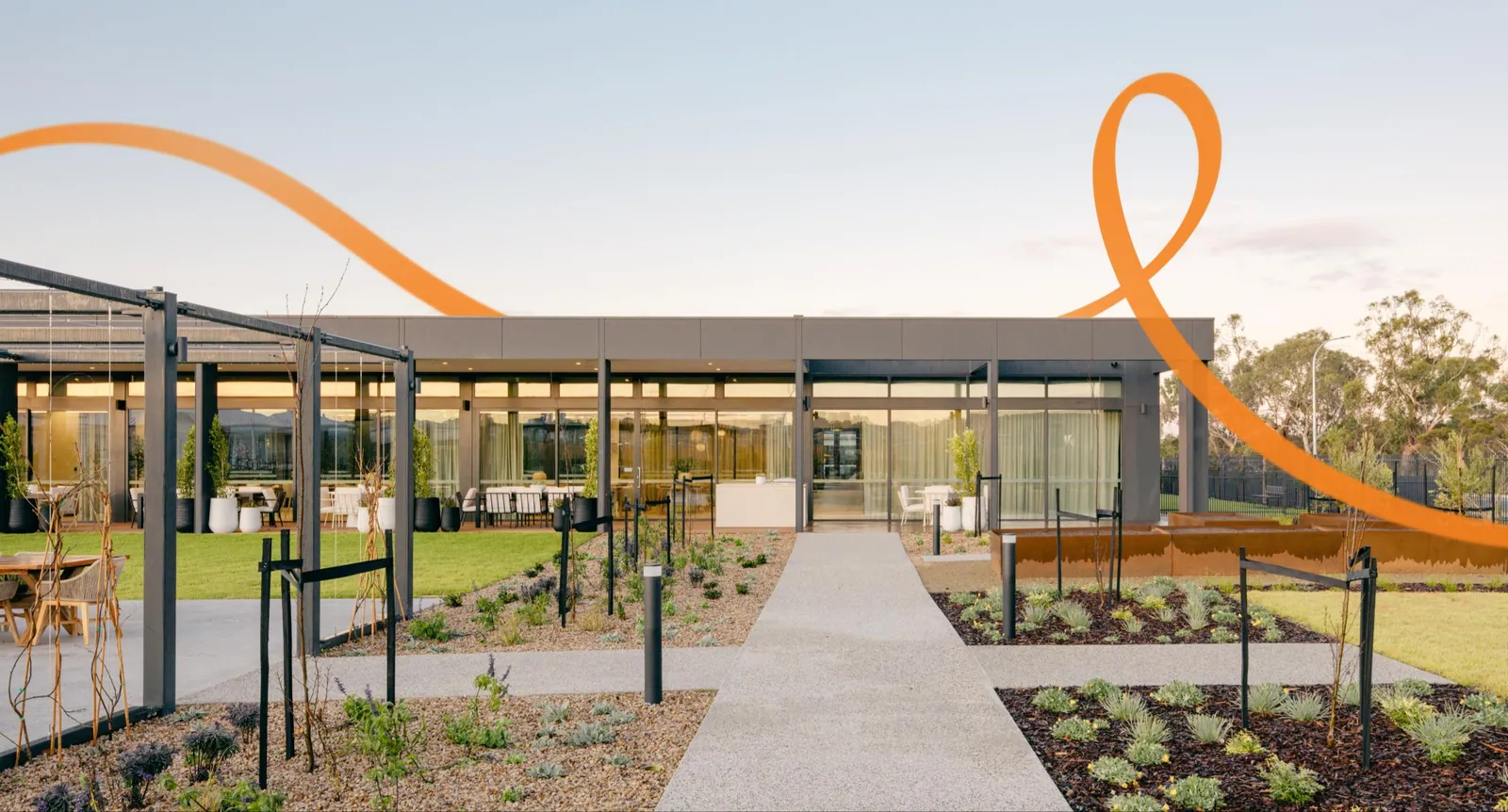
Management is considering activating another community in the South-East corridor during FY27, but has deferred a decision until the second half of the year and made it subject to market conditions. Its stated levers for protecting returns include tighter building specifications, competitive tendering, optimised clubhouse footprints, rental-yield changes and additional homes for sale or rental income.
DMF refunds remain a material cash and legal issue
The company’s Deferred Management Fee repayment program is also moving from legal dispute to administration. Deloitte was appointed after the Victorian Court of Appeal decision, and the program opened on 6 October to eligible former homeowners. As at 16 November, 320 claims had been submitted, 157 had been assessed, and 116 were deemed eligible for refunds totalling $9.9 million. The company said payments would be funded from working capital and existing debt facilities, reducing the $77.1 million provision recorded at 30 June. The process follows the VCAT refund program, which had reported that forthcoming payments would draw on those same funding sources.
Against those obligations, Lifestyle Communities is relying on its recurring rental base. It had 4,368 settled homes across 25 operating communities and reported FY26 rental income of $51.4 million before straight-line rental adjustments, up 12.4% on the prior year. The company said site rental fees increased 4.6% for FY27 and that rent-structure optimisation was under consideration for the second half of the year.
Shareholders appeared broadly supportive ahead of the meeting: votes received before the AGM showed at least 98.64% support for the remuneration report, director Mark Blackburn’s re-election and the proportional takeover provision. Those figures were not the final AGM results, which the company said would be lodged after the meeting. The more consequential test now sits in execution: converting deposits into settlements, funding DMF refunds without eroding the balance-sheet gains, and deciding whether market conditions justify opening another community.
Get ASX:LIC news the moment it breaks
 iPhone & iPad
 Android
Bottom Line?
Lifestyle Communities has bought itself financial flexibility, but FY27 will test whether that resilience can translate into settlements and profitable growth while customers remain slow to sell their existing homes.
Questions in the middle?
- How much of the 121-home FY27 settlement pipeline will convert if Melbourne selling times remain elevated?
- Will DMF refund payments remain within the $77.1 million provision, or create additional pressure on working capital and debt facilities?
- When will management decide whether a new South-East corridor community can meet return hurdles in the current market?
Sources
1-
Chair and CEO AGM Presentation and Proxy Summary (opens in a new tab)Verified source. Lifestyle Communities Limited · 19 Nov 2026