Temas puts Quebec plant at centre of RCL commercialisation push

5 min read
9:44am on Friday 20th of November, 2026 AEDT ~9am, 20th Nov, 26
Temas Resources is positioning its patented Regenerative Chloride Leach platform as an asset-light critical-minerals processing business, with a Quebec demonstration plant and licensing deals targeted during 2026. The November presentation highlights historical pilot results and third-party recoveries, but the commercial model remains dependent on further testing, funding and agreements.
- Quebec demonstration plant planned for the La Blache Project
- RCL platform claims operating-cost reductions of up to 65%
- SAGA Metals testing reported recoveries of 90.8% titanium, 97.4% vanadium and 91.5% iron
- 11 granted process patents and two further applications
- Licensing and joint venture deals remain targeted, not contracted
 Add us as a preferred source on Google
RCL moves from laboratory validation towards commercial deployment
Temas Resources Corp. (ASX:TIO) is trying to turn mineral-processing IP into the main event. Its November 2026 corporate presentation sets out a plan to commercialise the Regenerative Chloride Leach, or RCL, platform through client-funded testwork, licensing royalties and joint ventures, while using its Quebec assets as a proving ground.
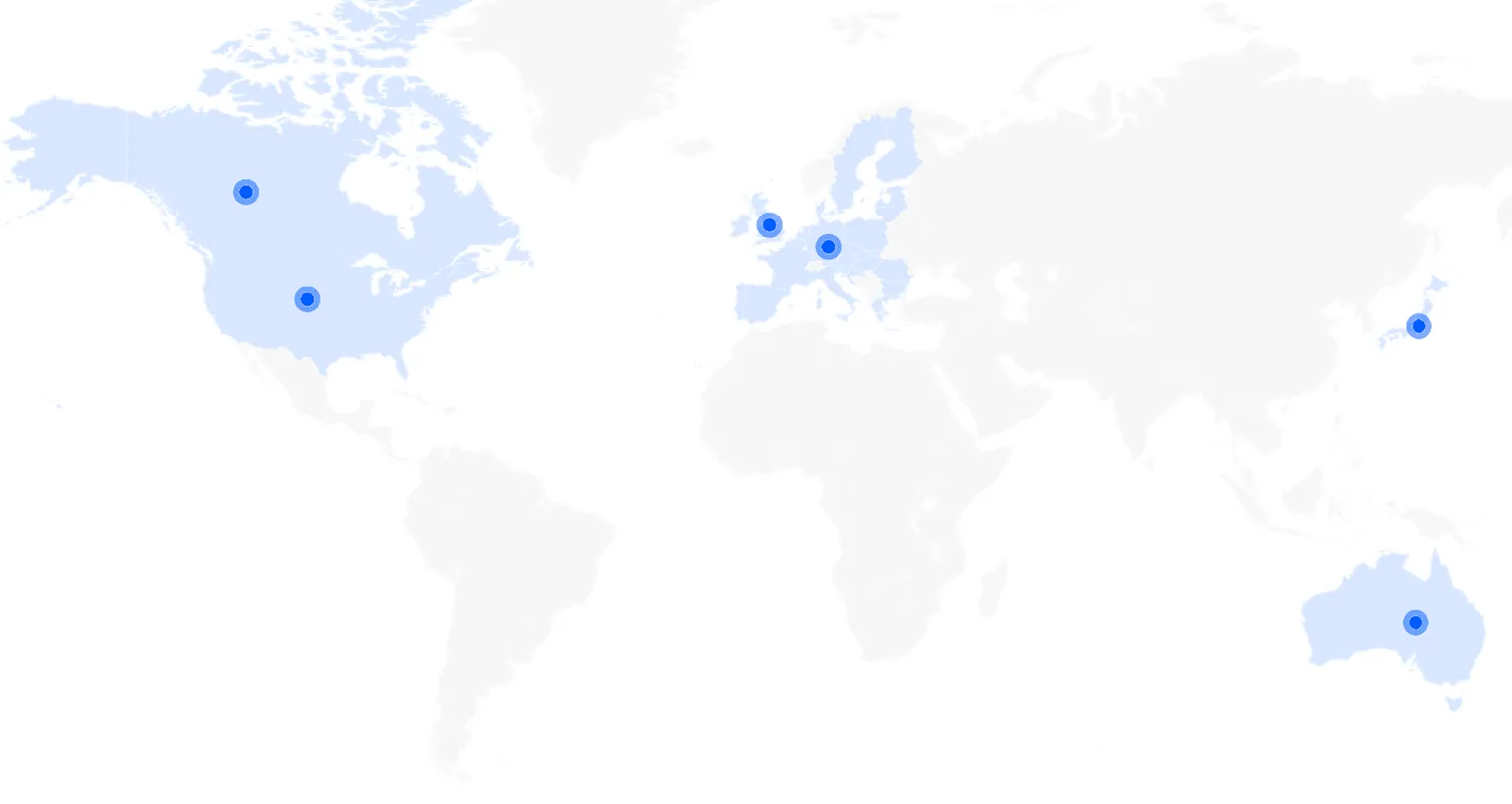
The immediate physical milestone is a planned demonstration plant at the La Blache Project in Quebec. Temas says it is selecting a site, testing third-party ores and negotiating licensing and joint venture opportunities in Australia, Canada and the United States. The presentation does not identify an operating date, final cost or funding package for the plant.
Third-party testing is the proposed route to recurring revenue
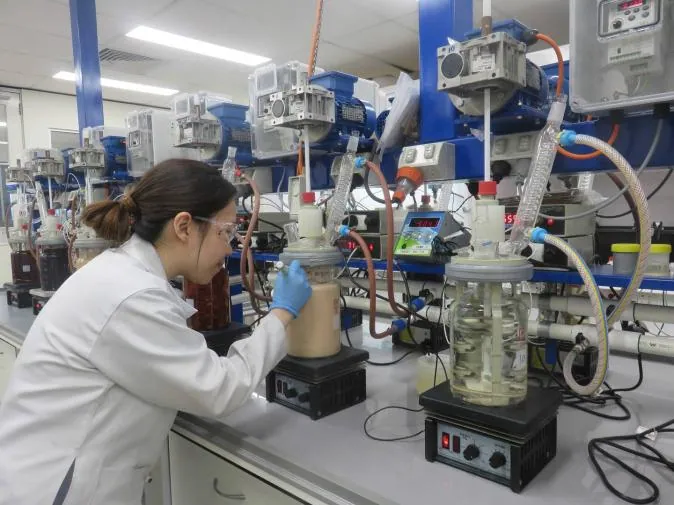
The commercial pitch rests on a repeatable funnel: clients fund bench and pilot testing, Temas deploys its technology, and successful work may lead to an upfront licence fee plus a per-tonne or revenue-sharing royalty. The company says its R&D centre, commissioned in March 2026 within Insight R&D’s Greater Toronto-Hamilton corridor facilities, is intended to reduce laboratory bottlenecks and move deposits through that pipeline.
That strategy has already begun to generate activity, including the second Quebec RCL validation project, which involved an estimated C$52,876 Stage 1 contract and a seven-week bench program. Temas also says it recorded its first commercial RCL revenue in the first quarter of 2026, a milestone that sits alongside the company’s stated need for further funding as development work expands.
Pilot results support the technology case, with scale-up still ahead
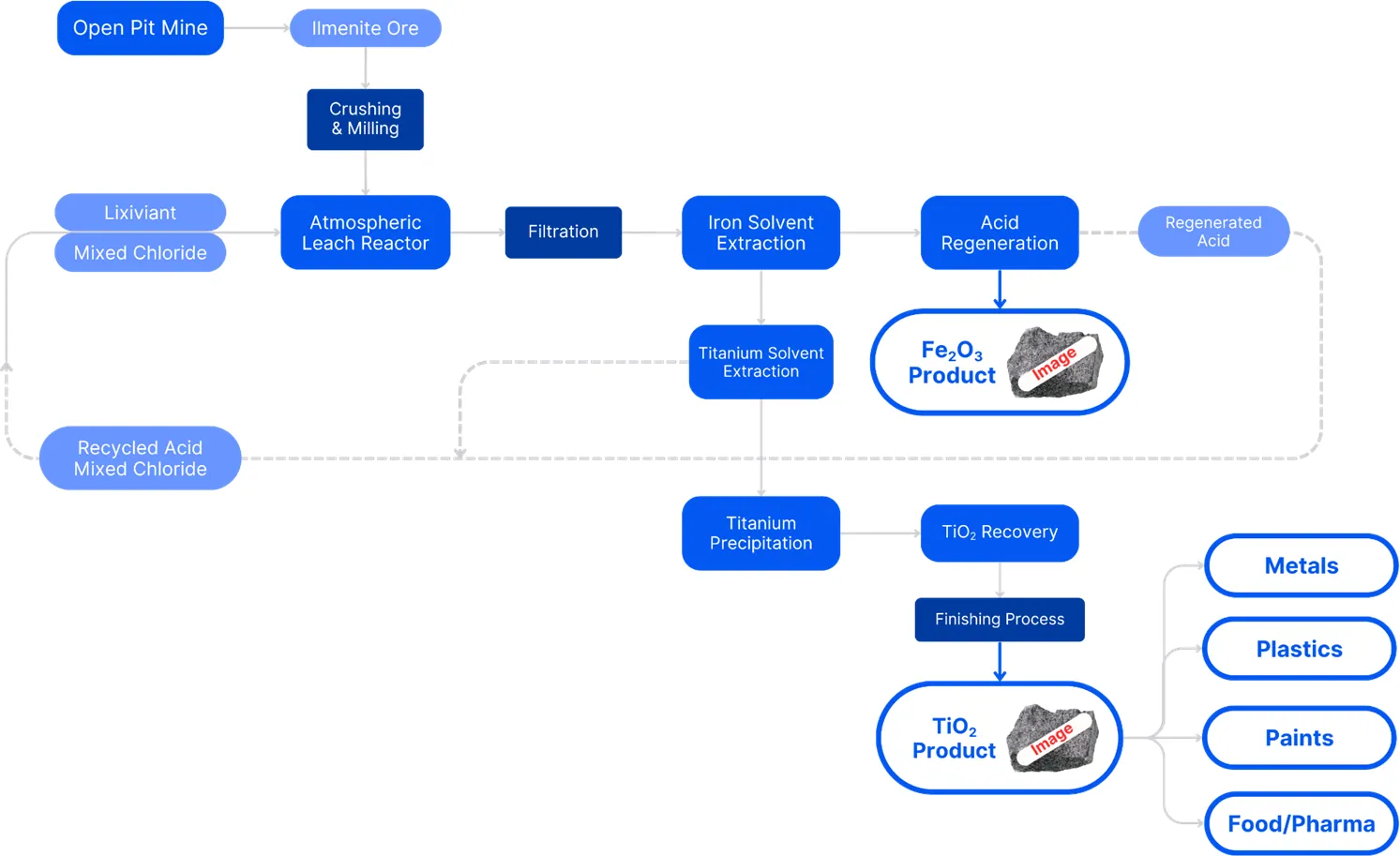
Temas says its RCL process was developed over roughly 30 years with more than $10 million invested, and that it now owns 11 granted process patents with two additional applications. The closed-loop system uses a mixed hydrochloric acid and magnesium chloride medium at 60 to 95 degrees Celsius, then regenerates reagents for reuse. The company claims operating-cost reductions of 59.2% to 69.7% against industry standards, although those comparisons are estimates presented by Temas rather than operating results from a commercial plant.
Historical work cited in the presentation includes an RCL pilot that produced 88 kilograms of titanium dioxide from 830 kilograms of feedstock at 99.8% purity. More recently, SAGA Metals’ Radar Project testing reported recoveries of up to 90.8% titanium, 97.4% vanadium and 91.5% iron. The SAGA Stage 2 optimisation program was intended to move those results towards a defined flowsheet and product samples, but a mini-pilot and subsequent commercial deployment remain subject to technical results and approval.
Cash position leaves commercialisation dependent on execution
Temas presents two potential value engines: technology licensing and its own critical-minerals assets. The La Blache project is described as having more than 208 million tonnes inferred and 32 million tonnes of historic measured and indicated resources, with a planned re-assay of 36,000 metres of core for vanadium, gallium and scandium. The presentation states that this resource information comes from the August 2025 ASX Prospectus and that the company is not aware of material changes to the underlying assumptions.
The corporate snapshot puts cash at about C$4 million, including an estimated C$1.1 million flow-through exploration tax refund, and enterprise value at about C$11 million. Those figures frame the central tension in the story: Temas is promoting an asset-light route to royalties and joint ventures, while the demonstration plant, technical optimisation and resource work still require capital and successful counterparties. The next meaningful evidence will be an executed commercial agreement, a defined plant plan or operating data beyond pilot scale.
Get ASX:TIO news the moment it breaks
 iPhone & iPad
 Android
Bottom Line?
Temas has assembled a credible technology narrative, but the investment case now depends on converting testwork into signed contracts and funding the Quebec demonstration step without eroding its asset-light model.
Questions in the middle?
- Can Temas secure a binding licensing or joint venture agreement during 2026, rather than relying on targeted commercial milestones?
- What capital, permitting and construction timetable will be required for the proposed La Blache demonstration plant?
- Will RCL recoveries and claimed cost advantages hold through mini-pilot and demonstration-scale operations across third-party ores?
Sources
1-
Temas - Investor Presentation (opens in a new tab)Official market announcement. Temas Resources Corp · 20 Nov 2026 · temasresources.com