Iron Bear’s upgraded PFS points to a USD 11.6 billion project value

Iron Bear Resources’ updated pre-feasibility study has lifted the Iron Bear Project’s post-tax NPV by 29% to USD 11.6 billion, while increasing planned output and trimming initial capital. The gains remain preliminary, with funding, permitting, power supply and technical risks still unresolved.
- Post-tax NPV rises from USD 9.0 billion to USD 11.6 billion
- IRR increases to 17.9% and pre-production CAPEX falls to USD 4.0 billion
- Steady-state production rises to 25.9 Mtpa over a 40-year mine life
- Base case includes 5% Inferred Mineral Resources in the production target
- Approximately USD 4.0 billion of project funding remains to be secured
 Add us as a preferred source on Google
Iron Bear economics improve on a preliminary study basis
Iron Bear Resources Ltd (ASX:IBR) has produced a materially stronger economic case for its Canadian iron ore project, with post-tax NPV at an 8% discount rate rising from USD 9.0 billion to USD 11.6 billion. Post-tax IRR increased from 15.2% to 17.9%, while pre-production capital expenditure fell 5% to USD 4.0 billion.
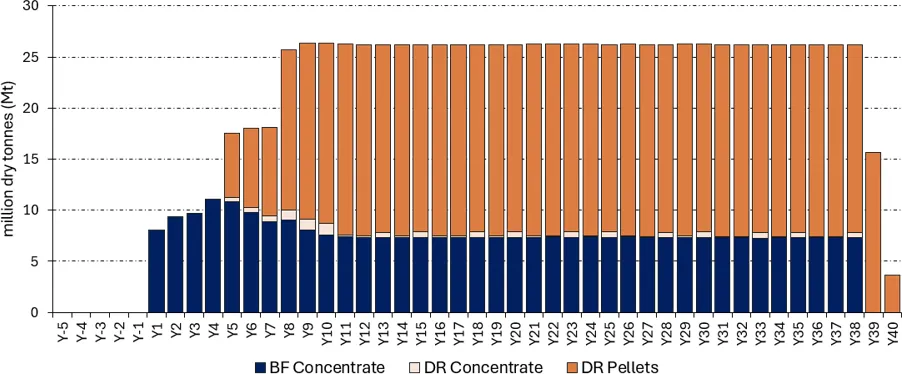
The updated study also raises steady-state saleable production from 22.9 Mtpa to 25.9 Mtpa, comprising 7.3 Mtpa of blast furnace concentrate and 18.6 Mtpa of direct reduction pellets. The trade-off is a shorter mine life of 40 years, compared with 44 years in the initial PFS, as the revised plan processes material at a higher rate.
The figures are based on an AACE Class 4 study, carrying an estimated accuracy range of approximately plus or minus 25%. That makes the uplift notable, but not definitive: the study is a project-development estimate rather than a construction-ready investment case.
Five optimisation levers drive the NPV increase
Iron Bear attributed the improvement to five changes made with Hatch, Snowden Optiro, Danieli Newfer and other consultants. Updated wet-tailings estimates added approximately USD 248 million to post-tax NPV, a revised comminution circuit added about USD 524 million, and higher throughput and sprint-capacity optimisation contributed approximately USD 915 million.
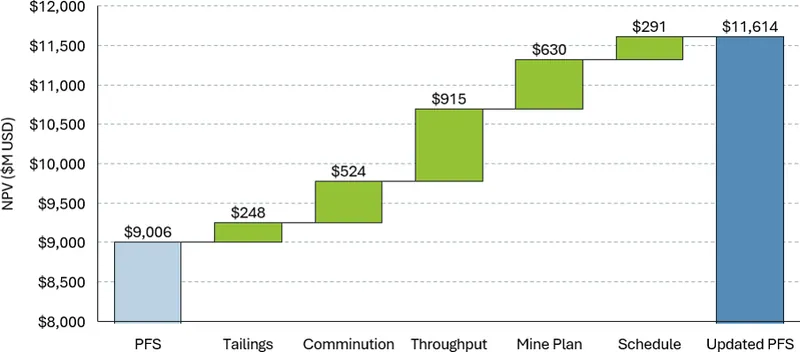
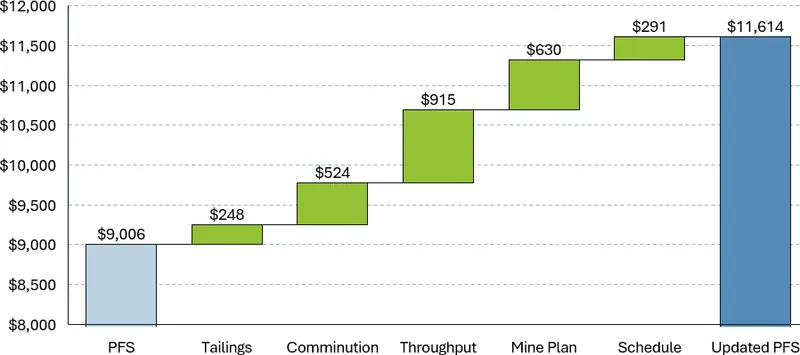
An updated mine plan that brings higher-grade material forward added a further USD 630 million, while commissioning the third processing train in Year 8 rather than Year 9 contributed approximately USD 291 million. The company said the key assumptions used in the initial and updated PFS remained unchanged, allowing the comparison to be made on a like-for-like basis.
The result is a project that now carries a larger headline value than the earlier PFS case outlined before Vale declined to advance under its development agreement, leaving Iron Bear with full ownership. That earlier ownership change is captured in the Vale Phase 2 exit, but it also leaves the company responsible for assembling the capital structure needed to develop the asset.
Premium products support the revenue model
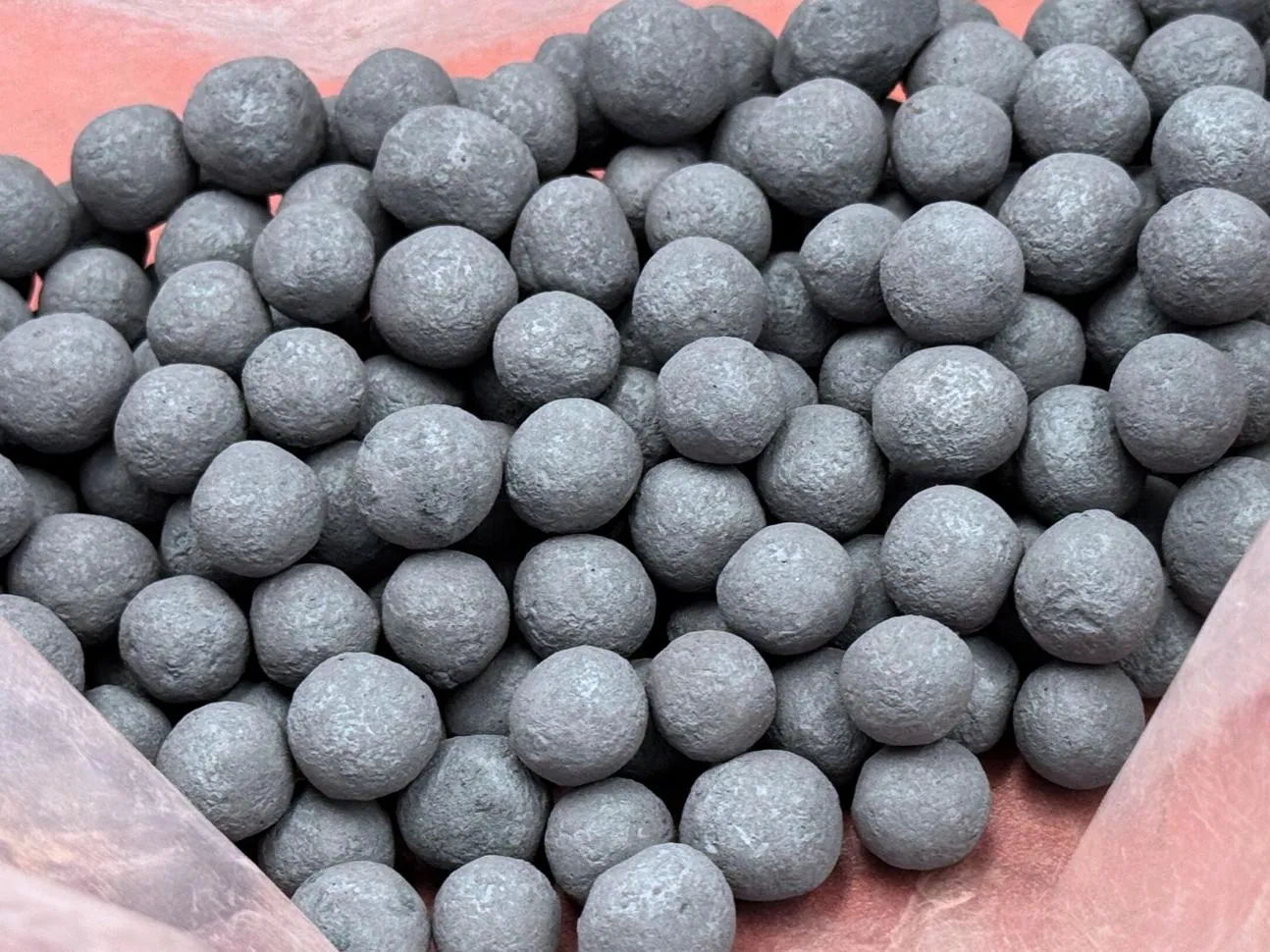
The project is designed around high-grade magnetite products, with BF concentrate targeted at 69.1% iron and DR concentrate at 71% iron. The financial model assumes real CFR prices of USD 152 per dry metric tonne for BF concentrate and USD 212.30 per tonne for DR pellets, based on premiums to a long-term 65% iron benchmark price of USD 120 per tonne.
Iron Bear also evaluated a 616-kilometre slurry pipeline as an alternative to rail. That scenario requires higher pre-production CAPEX of USD 6.4 billion, but produces a higher post-tax NPV of USD 12.7 billion and lowers stated Scope 1 emissions from 29 kg to 23 kg per tonne of sales. The pipeline case has a lower post-tax IRR of 16.4% and a nine-year undiscounted payback period, compared with 17.9% and eight years for the rail-based base case.
A dry-stacked tailings scenario offers a different trade-off: it reduces the wet-tailings footprint but lifts pre-production CAPEX to USD 4.7 billion and produces a post-tax NPV of USD 10.5 billion. The company said technical and operational risks associated with dry stacking in Arctic conditions still require further work.
Funding and approvals remain the central hurdles
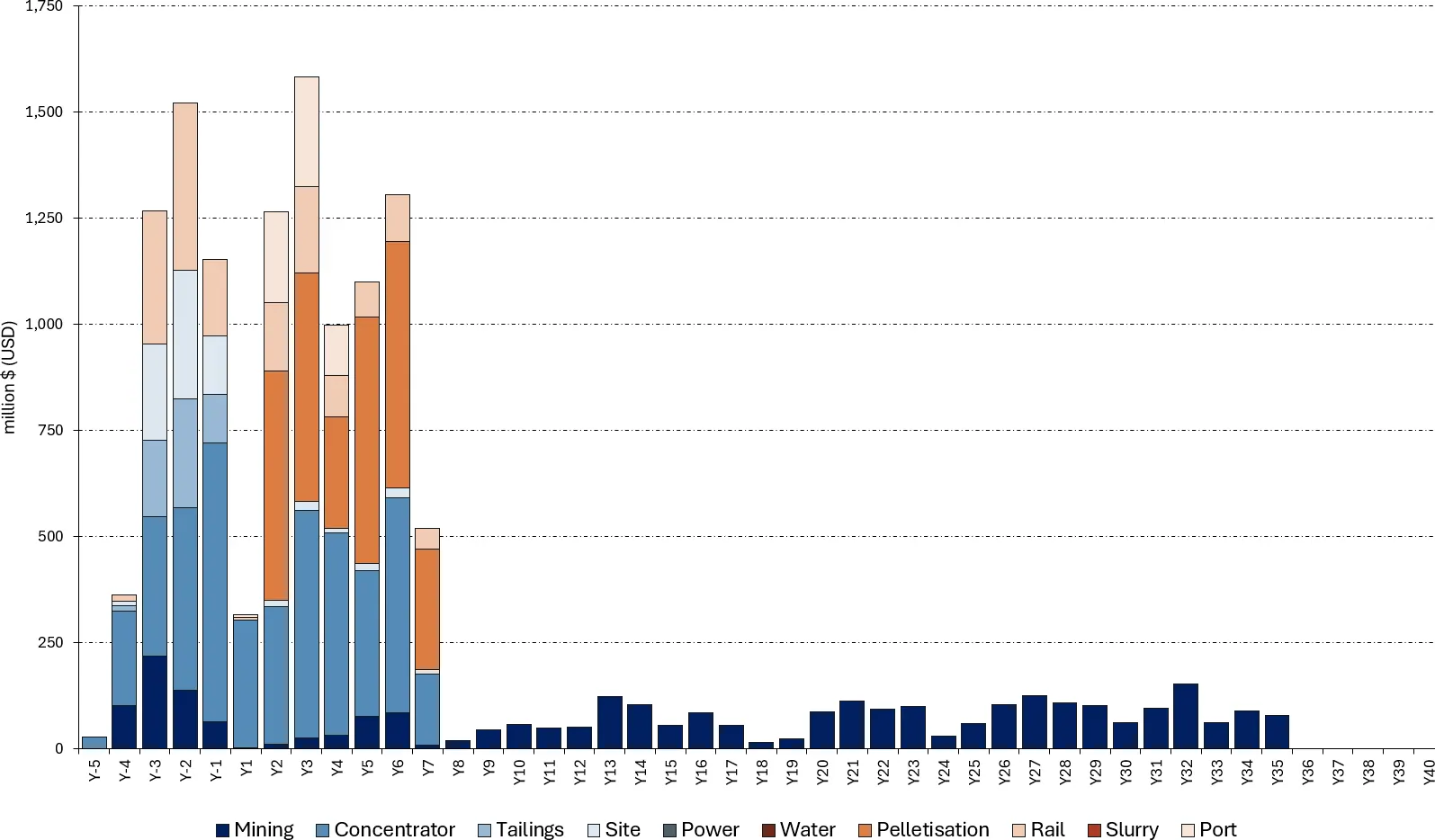
Iron Bear estimates it will need approximately USD 50 million to reach a Decision to Mine and complete the required development work, followed by about USD 4.0 billion in pre-production capital. The company is considering debt, equity, strategic partnerships, offtake arrangements or a partial project sale, but disclosed no committed funding for the full construction requirement.
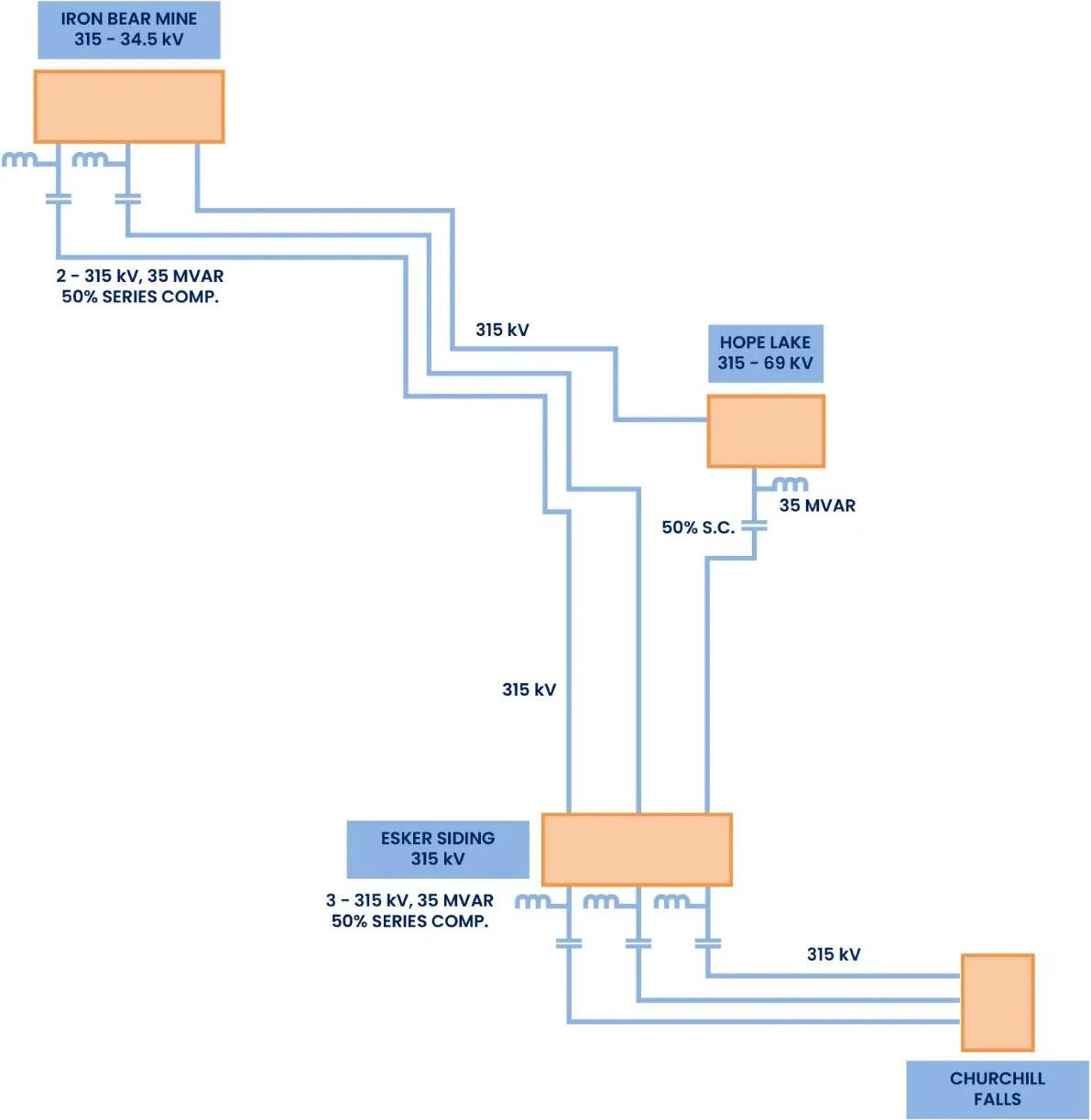
The model also assumes a tax holiday that has not been agreed with the Newfoundland and Labrador government, while no power purchase agreement or capacity allocation has been signed. The project’s power plan depends on transmission infrastructure linked to Churchill Falls and future arrangements involving Newfoundland and Labrador Hydro and Hydro-Québec.
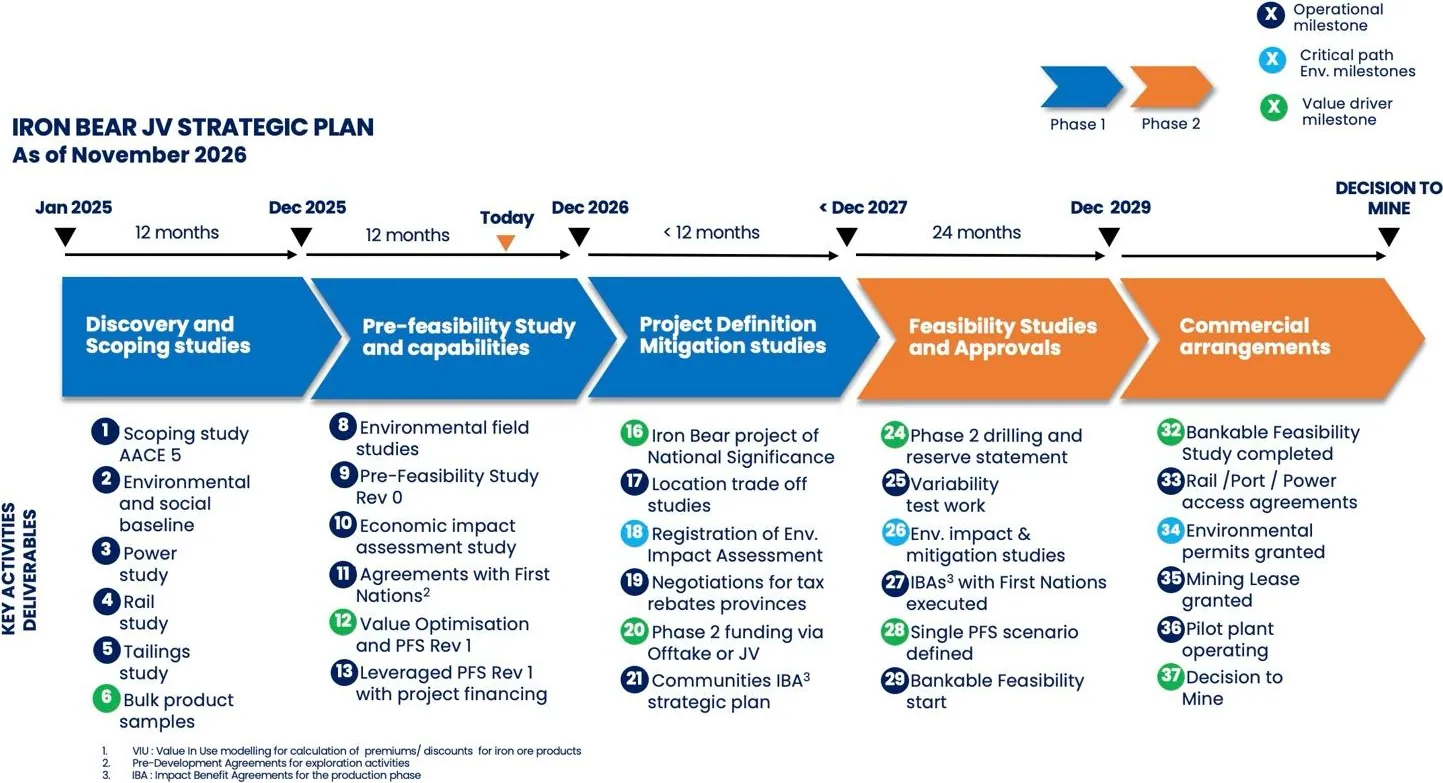
Permitting is another long-dated dependency. The environmental and social impact assessment for the mine, concentrator, tailings and power infrastructure is expected to take up to six years, and Impact Benefit Agreements with five Indigenous groups remain outstanding. The company’s earlier funding history included a completed USD 18 million Phase 1 package from Vale, but the updated study now points to a vastly larger financing task ahead.
Technical work must catch up with the headline economics
The production target underpinning the forecast financial information comprises 95% Probable Ore Reserves and 5% Inferred Mineral Resources. The 3.3-billion-tonne Probable Ore Reserve at 29.1% iron remains unchanged, but the company cautions that Inferred Resources carry a lower level of geological confidence.
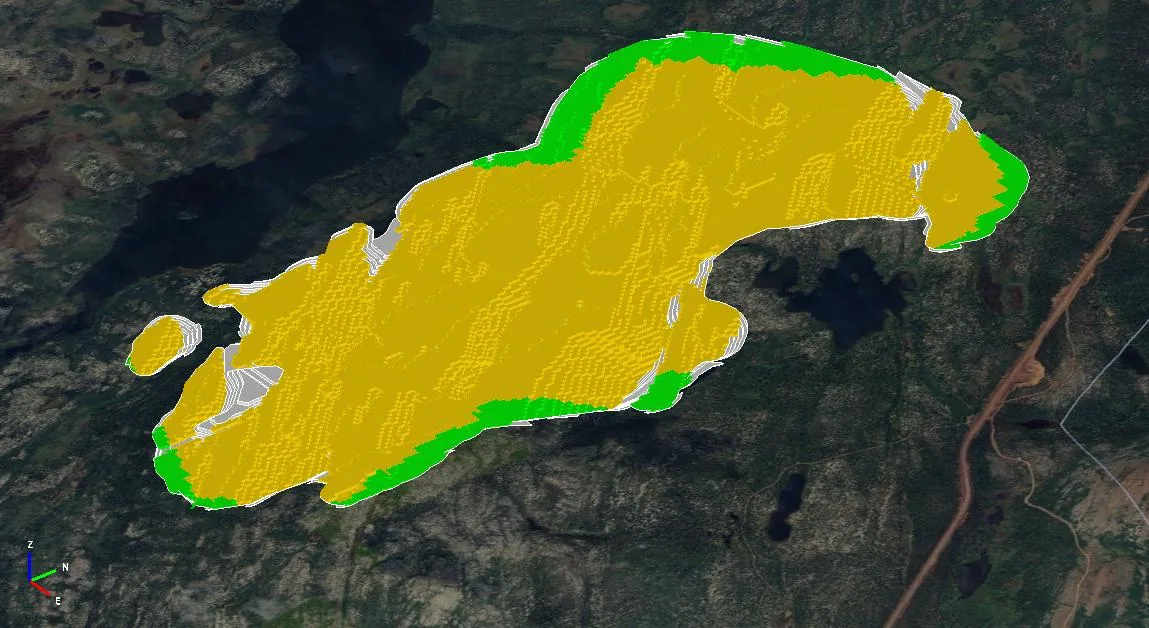
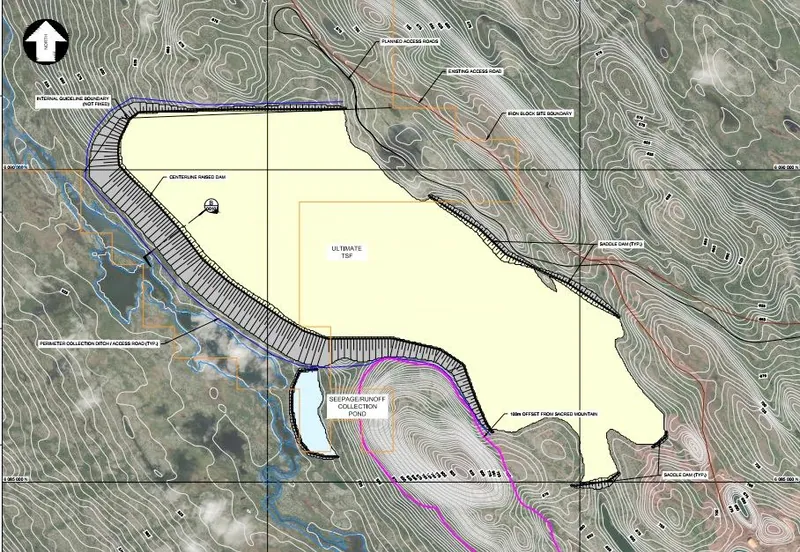
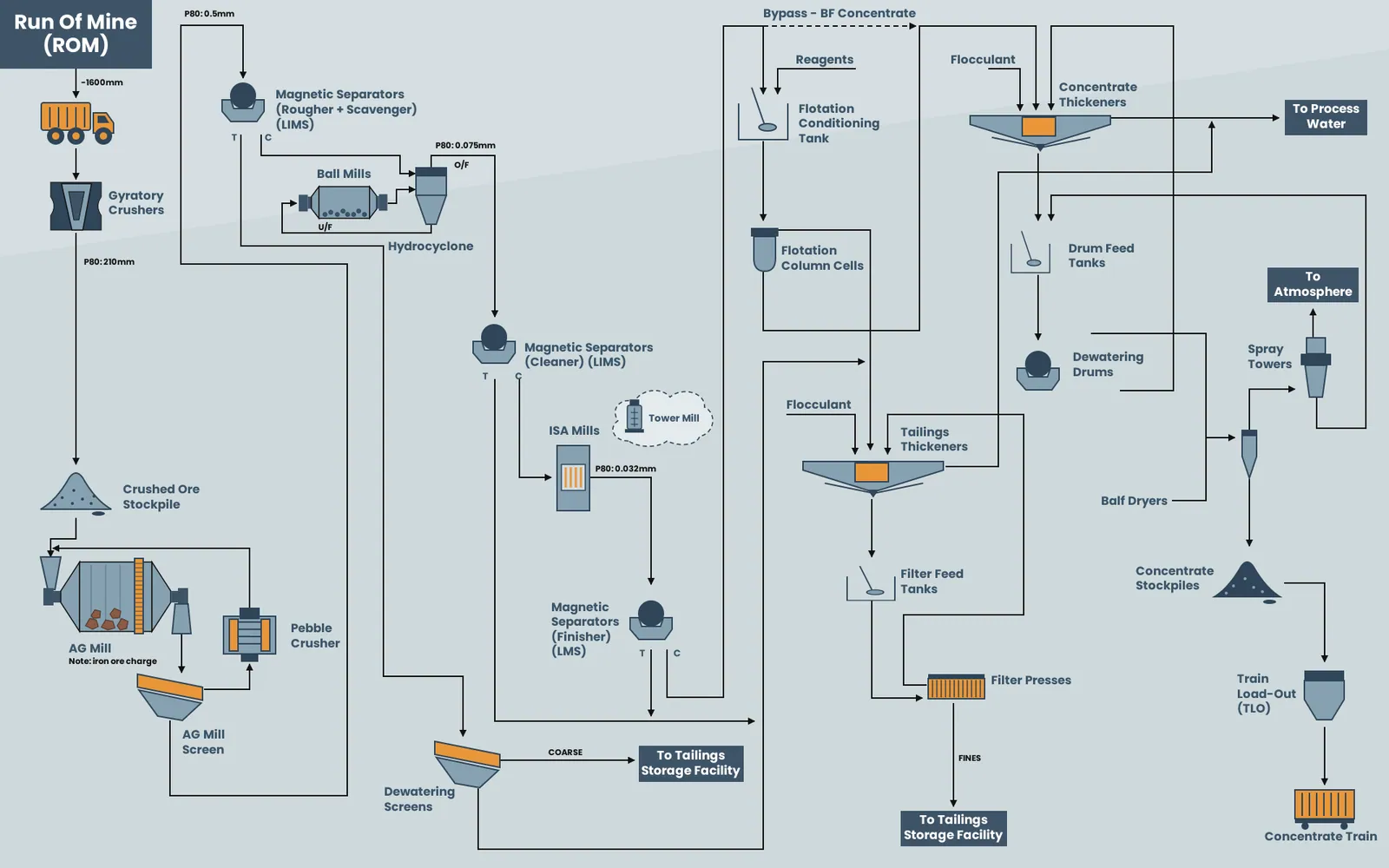
Several technical workstreams are still open, including metallurgical variability testing, validation of the BALF non-thermal drying technology at scale, hydrogeological investigations, tailings selection and the preferred transport solution. The next major test will be whether those studies can convert a high-value PFS into a bankable feasibility study without giving back too much of the USD 11.6 billion headline NPV.
Get ASX:IBR news the moment it breaks
 iPhone & iPad
 Android
Bottom Line?
The PFS has strengthened Iron Bear’s project case, but the next value test is financing and de-risking a multi-billion-dollar build under assumptions that remain partly uncontracted and preliminary.
Questions in the middle?
- Can Iron Bear secure the approximately USD 50 million needed to reach a Decision to Mine after Vale’s exit from the development pathway?
- Will long-term power, tax and offtake arrangements support the price and cost assumptions used in the updated PFS?
- How much of the headline NPV will remain after metallurgical variability, hydrogeology, tailings and permitting work is completed?
Sources
1-
Updated Iron Bear Project PFS (opens in a new tab)Verified source. Iron Bear Resources Ltd · 23 Nov 2026