Osmond advances six-product rare earth oxide plan with Técnicas Reunidas

Osmond Resources has completed a positive Phase 1 study for a downstream rare earth facility in Spain and committed to a larger Phase 2 program targeting six separate oxides. The opportunity could broaden funding and partnership options for Orión, but the economics, financing and commercial partners remain unproven.
- Phase 2 REO study to use at least 50kg of Orión monazite concentrate
- Preliminary recovery targets of up to 95% for neodymium and praseodymium
- Heavy rare earth recovery targets of approximately 85%
- Spanish partners sought for a potential mine-to-magnet supply chain
- Downstream processing remains outside Orión’s existing scoping study
 Add us as a preferred source on Google
Osmond moves from Phase 1 to rare earth oxide study
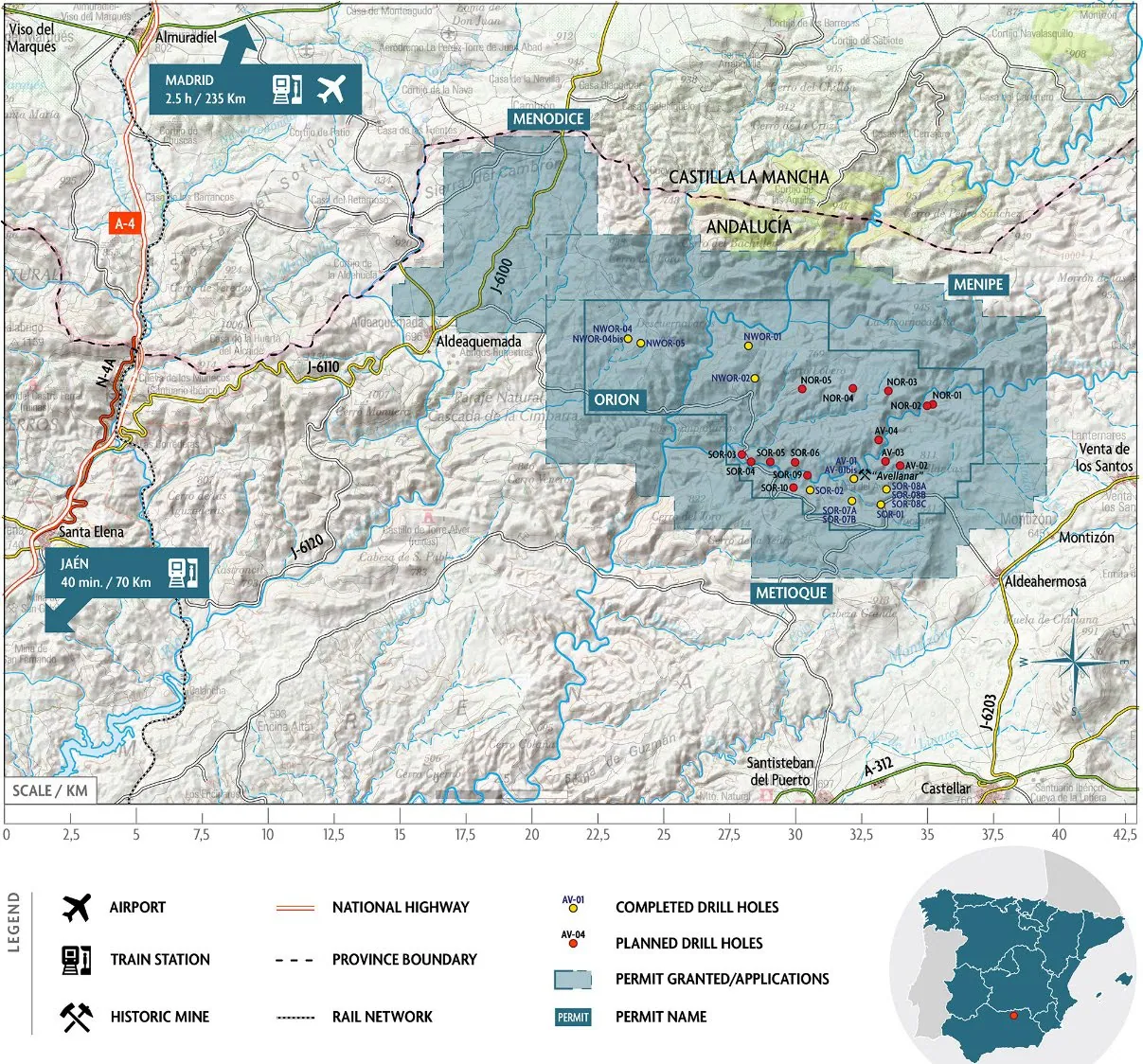
Osmond Resources Limited (ASX:OSM) has cleared an early technical hurdle in its plan to process monazite from the Orión EU Critical Minerals Project, committing to Phase 2 work with Técnicas Reunidas after completing a positive Phase 1 study. The next stage will examine a dedicated rare earth oxide facility rather than stopping at a mixed rare earth carbonate product.
That distinction matters because Osmond says separate rare earth oxides attract materially higher payability than rare earths contained in a mixed carbonate. Phase 1 covered concentrate characterisation, a preliminary RARETECH plant design and early operating and capital estimates. Those estimates remain at an early stage, with opex accuracy of plus or minus 25% and Class V capex accuracy of plus or minus 50%.
Six oxide products targeted from Orión concentrate
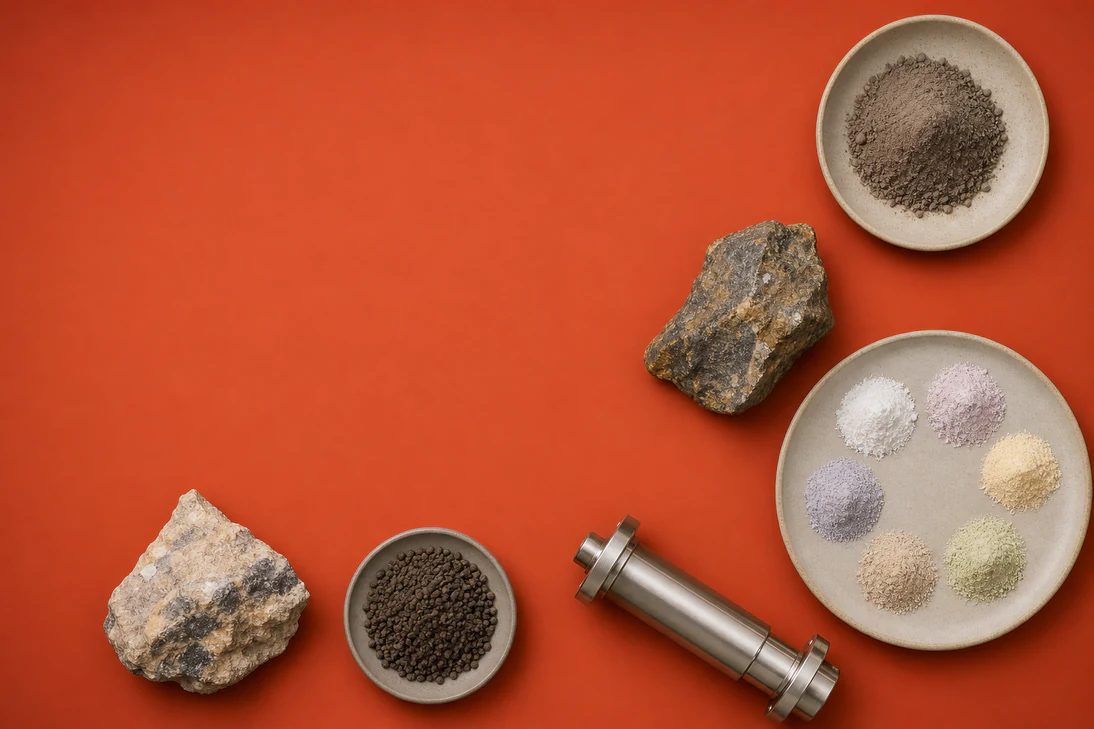
Phase 2 will focus on six products: neodymium, praseodymium, dysprosium, terbium, gadolinium and yttrium oxides. Técnicas Reunidas has set preliminary recovery targets of up to 95% for neodymium and praseodymium, and approximately 85% for the selected heavy rare earths, based on its experience with other feedstocks. These are targets rather than demonstrated commercial recoveries from Orión material.
The announcement cites indicative average Rotterdam prices ranging from US$118,000 a tonne for praseodymium oxide and US$182,000 a tonne for neodymium oxide to US$6.75 million a tonne for terbium oxide. The headline prices are useful for illustrating the value difference between products, but they do not amount to a project revenue forecast. Phase 2 still has to establish recoveries, product quality, operating costs and capital requirements using Orión-specific material.
Downstream plan offers a second funding route
Osmond is positioning the processing work as more than a metallurgical exercise. It says a downstream project could create additional funding and partnership options for Orión, including applications for support for standalone processing facilities, while potentially widening the local and national benefits considered during permitting.
The company is also working with Técnicas Reunidas to seek Spanish-based partners for a potential mine-to-magnet supply chain. That ambition connects Orión’s monazite concentrate with rare earth oxides and, potentially, permanent magnet production in Europe. It follows the recent Orión funding raise, which secured A$3.75 million for project advancement but remained modest beside the approximately US$300 million development funding requirement identified in the preliminary study.
Orión mine timetable remains the primary workstream
Osmond stresses that downstream processing has not been included in the Orión scoping study and will be assessed independently, leaving that study’s operating assumptions and economic metrics unchanged. The mine plan itself remains the central execution test: the company is completing a five-tonne metallurgical program, expects to produce at least 50kg of monazite concentrate for Phase 2, and plans further drilling before an updated mineral resource estimate and scoping study.
The current schedule targets an updated scoping study in the first half of 2027 and a mining permit application in June or July 2027, subject to drilling results. The project remains at exploration and study stage, without a JORC Ore Reserve, while the existing production concept includes Inferred material and requires substantial financing. Phase 2 may improve the strategic story, but it will need to produce bankable numbers and credible partners before it changes the funding equation.
Get ASX:OSM news the moment it breaks
 iPhone & iPad
 Android
Bottom Line?
The downstream pathway adds strategic upside, but the next meaningful test is whether Orión material can deliver the targeted recoveries and economics at Phase 2 scale.
Questions in the middle?
- What capex, opex and product-quality results will Phase 2 produce from the 50kg concentrate sample?
- Can Osmond secure Spanish partners or public funding before the broader Orión development capital requirement becomes pressing?
- Will drilling and the updated resource support a longer mine life without increasing the project’s permitting and financing burden?
Sources
1-
OSM and Tecnicas Reunidas to progress EU rare earth project (opens in a new tab)Verified source. Osmond Resources Limited · 24 Nov 2026