Solis sees copper sulphides across first Cucho hole as assays become the next test

Solis Minerals says its first 496.7-metre hole at Cucho in Peru has intersected widespread visually identified copper and molybdenum sulphides, pointing to a possible extension of the historical system. The early signal is encouraging but remains unquantified until laboratory assays arrive, while results across its copper and lithium portfolio continue to build.
- Widespread visually logged chalcopyrite, pyrite and molybdenite in Cucho hole SLM26-01
- Cucho drilling forms part of an approximately 5,000-metre, eight-hole programme
- Cinto returns 2 metres at 0.57% copper, but no broad continuous zone yet defined
- Mandacaru lithium results reach 0.178% Li2O over discrete intervals
- A$4.0 million cash balance reported at 30 September 2026
 Add us as a preferred source on Google
First Cucho hole points to a deeper copper system
Solis Minerals Limited (ASX:SLM) has received an encouraging geological read from the first hole of its new Cucho copper programme in Peru, with visual logging identifying chalcopyrite, pyrite and molybdenite through much of a 496.7-metre diamond hole. The observations suggest the historically defined copper-molybdenum footprint may continue at depth and farther east, but they do not yet establish copper grade, continuity or economic significance.
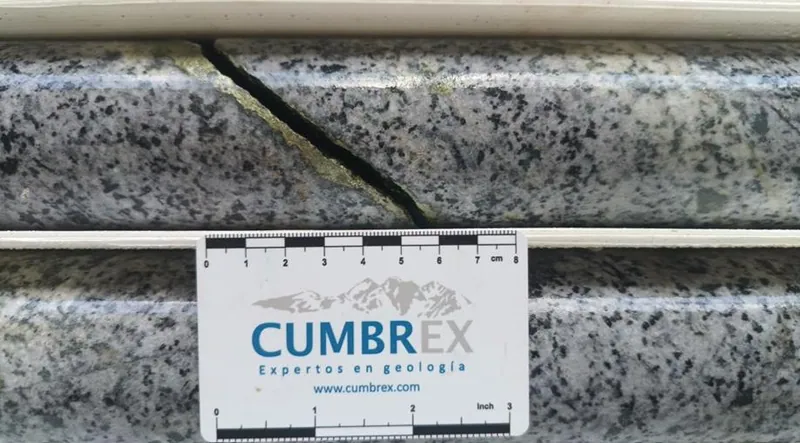
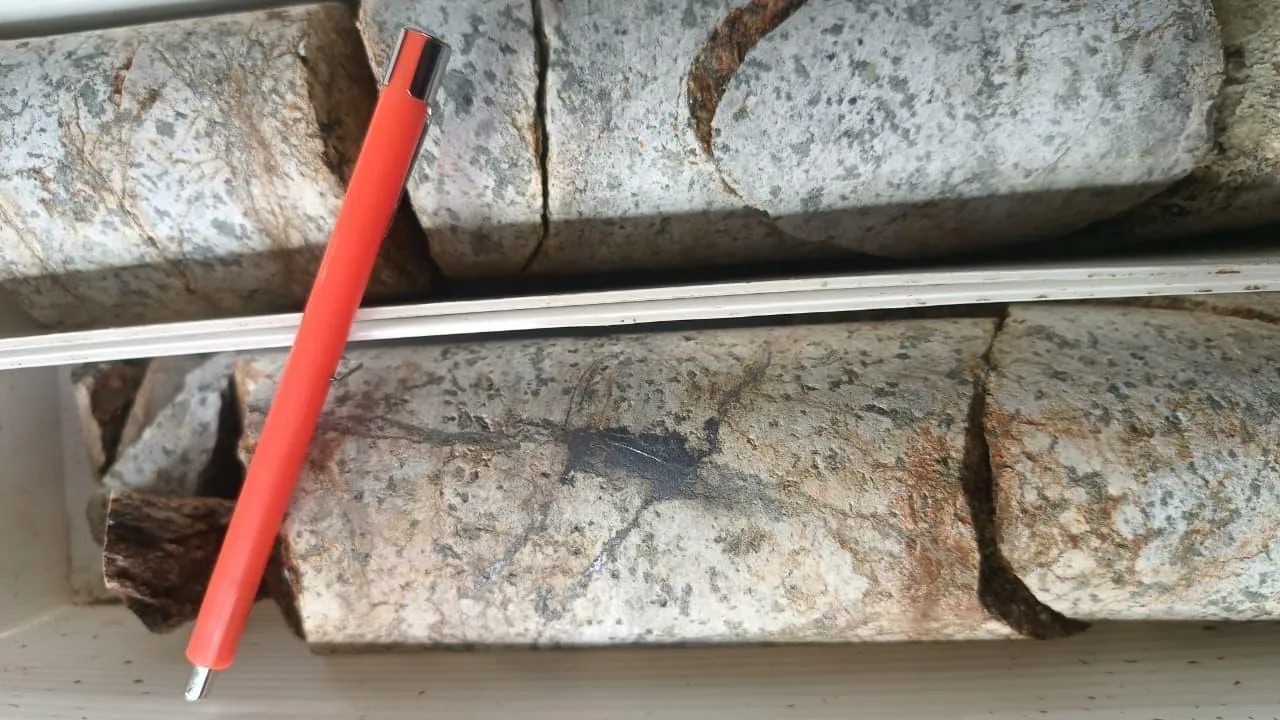
Hole SLM26-01 recorded visually identified sulphides from about 48 metres downhole, with chalcopyrite more consistently developed between roughly 105 and 338 metres. Quartz-sulphide veining and disseminated mineralisation continued into the deeper part of the hole, including locally observed molybdenite. Solis says the assemblage is consistent with the broader Cu-Mo hydrothermal model developed from historical drilling and surface exploration.
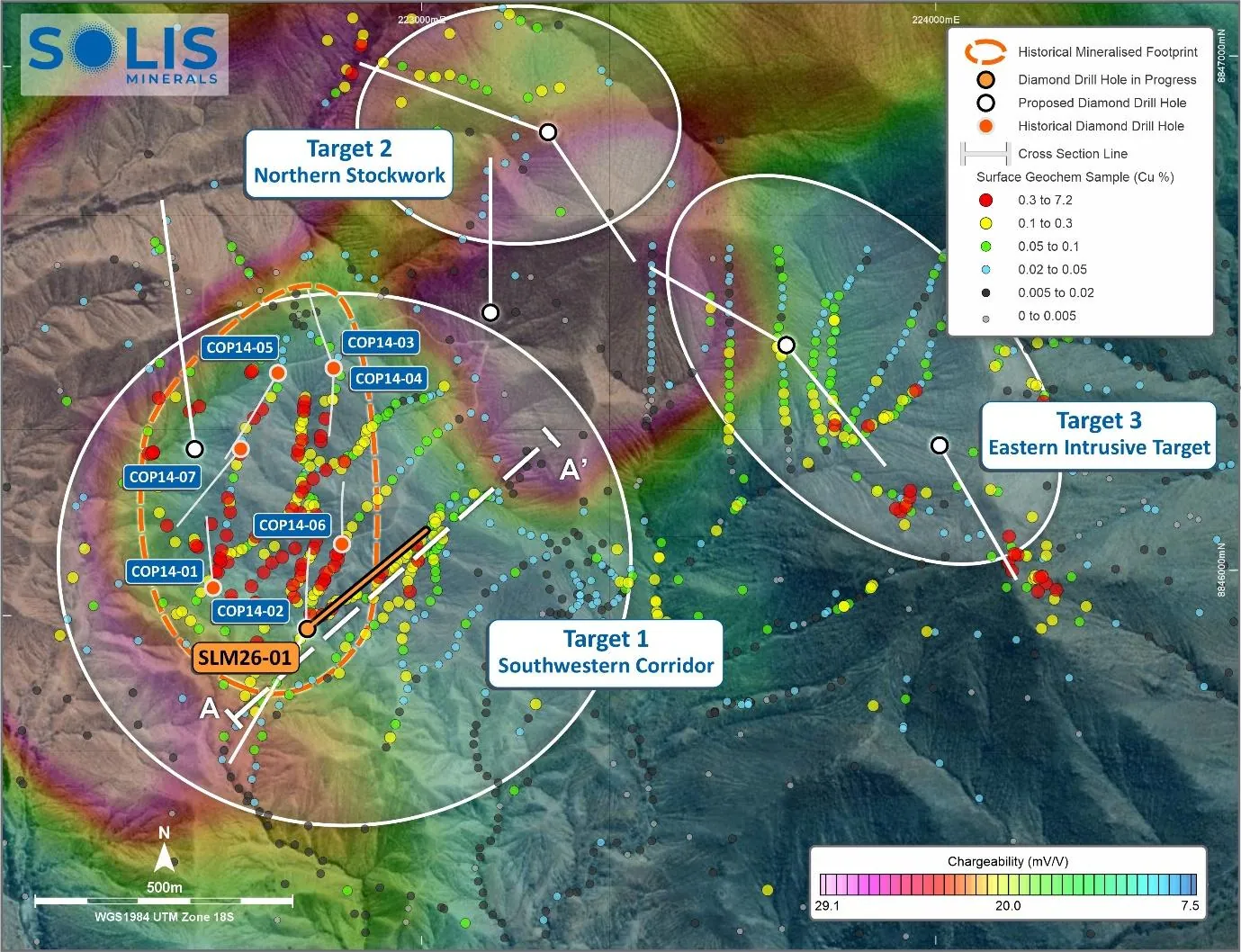
The result gives the company an early geological marker as it advances the 5,000-metre Cucho programme, which was being prepared after quarter-end in earlier company reporting. The initial programme comprises approximately eight holes testing three priority zones defined from historical drilling, mapping, surface geochemistry, magnetic surveys and induced-polarisation geophysics. Solis has interpreted a possible east to south-east plunging “keel” at depth, although that interpretation remains subject to assays, further drilling and geological modelling.
Assays remain the decisive Cucho hurdle
The company repeatedly cautions that the sulphide descriptions are visual estimates rather than analytical results. Sulphide abundance may not correlate directly with copper or molybdenum grade, and the reported downhole intervals are not necessarily true widths. Laboratory assays from SLM26-01 are therefore the key near-term test of whether the visually extensive mineralisation translates into a meaningful grade distribution.
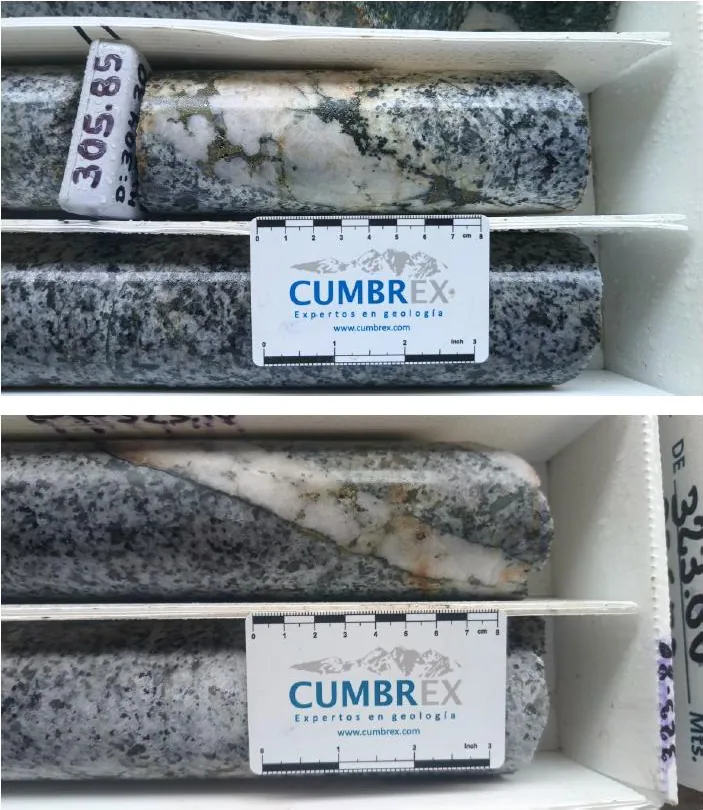
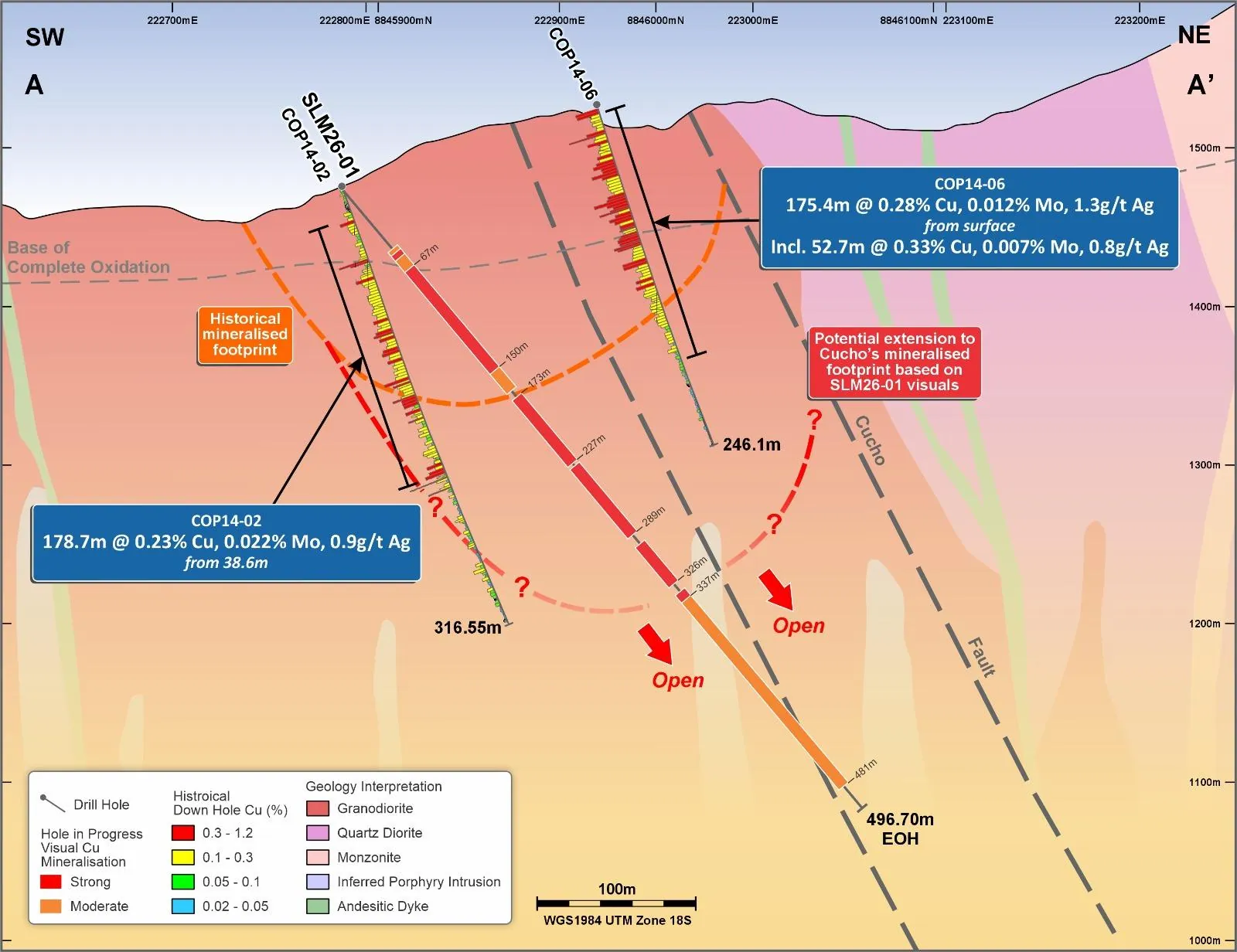
Historical drilling provides a reference point rather than a result for the current hole: one earlier hole, about 350 metres to the north-west, returned 269.1 metres at 0.25% copper, 0.011% molybdenum and 1.1 grams per tonne silver from surface. Solis has not estimated a mineral resource at Cucho, and its release says there has been insufficient exploration to determine whether further work will produce one.
Cinto delivers a discrete copper interval
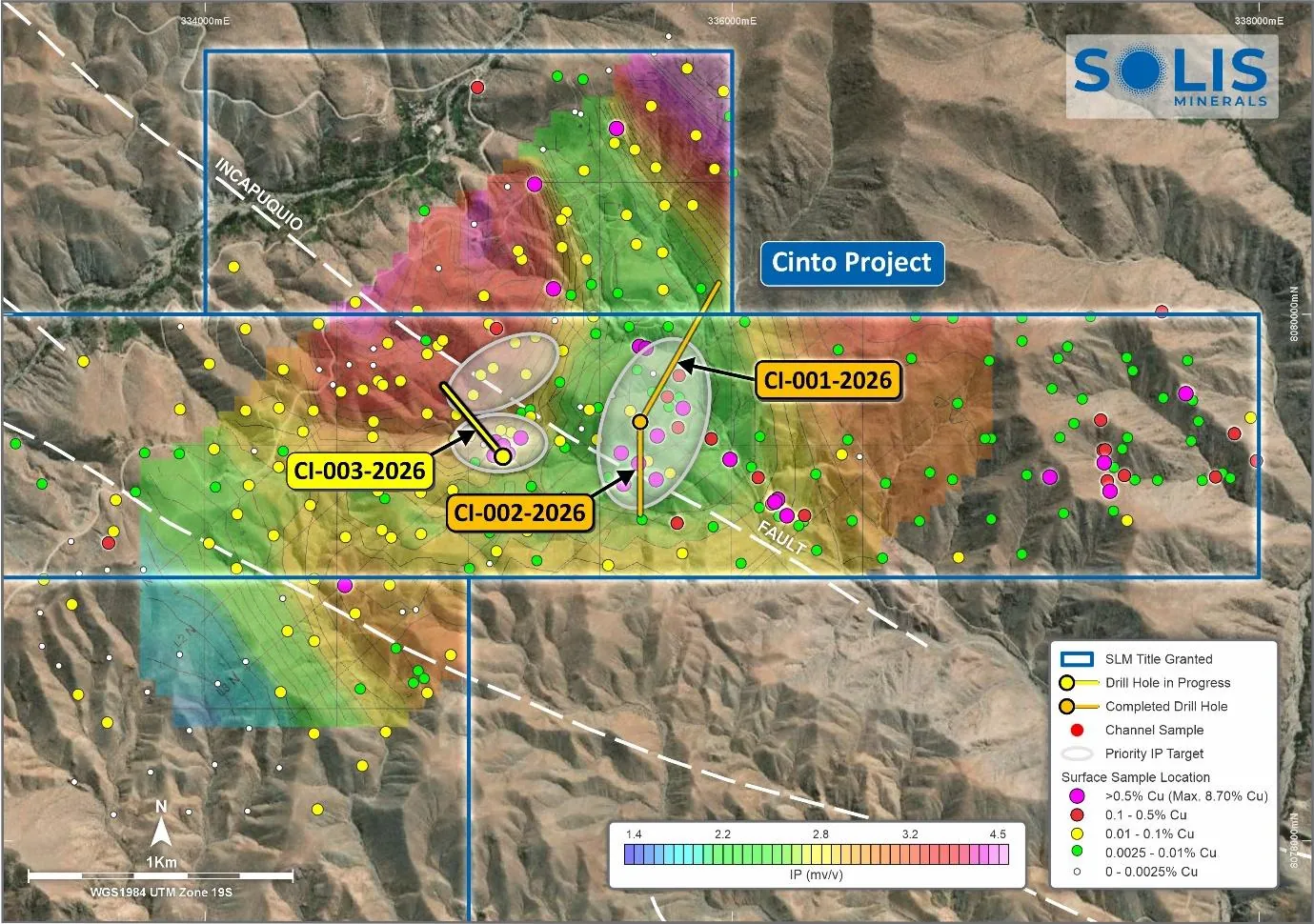
At the 100%-owned Cinto project in Peru, partial results from the first hole included 2 metres at 0.57% copper and 0.049 grams per tonne gold from 202 metres, within a broader 6-metre interval grading 0.08% copper. The company says the results received so far show elevated copper in discrete, structurally controlled intervals rather than a broad or continuous mineralised zone. Assays remain outstanding for the balance of the first hole, the second hole and the hole currently being drilled.
Brazil lithium results remain early and provisional
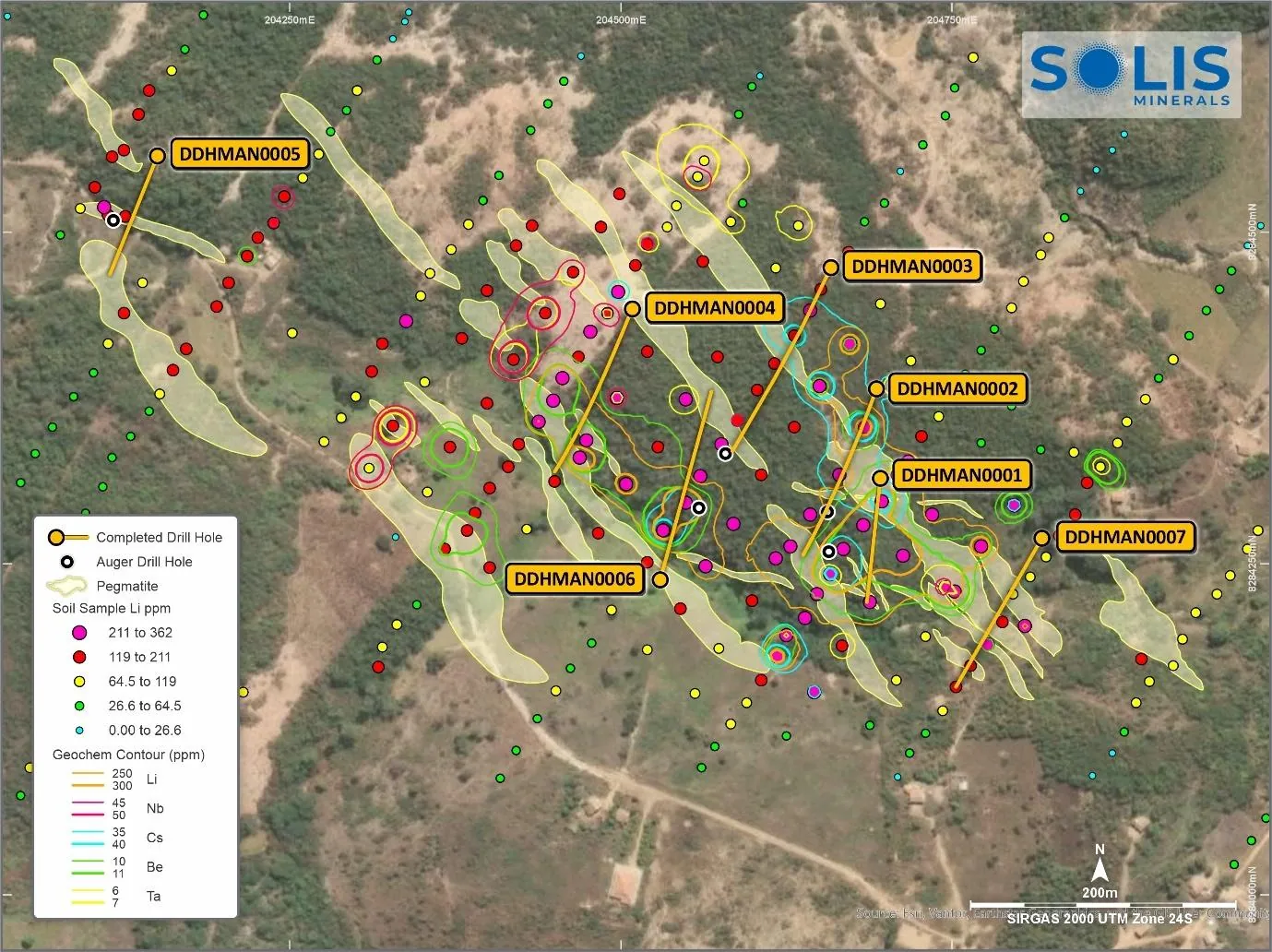
In Brazil, two of seven Mandacaru holes returned anomalous lithium values of up to 0.178% Li2O, alongside elevated caesium, rubidium, tantalum and niobium. No significant lithium-mineralised interval or visually significant spodumene-bearing interval has been identified in the results released so far. Five Mandacaru holes remain pending, while Campo Grande has returned initial results from one of four holes without defining a broad or continuous lithium zone.
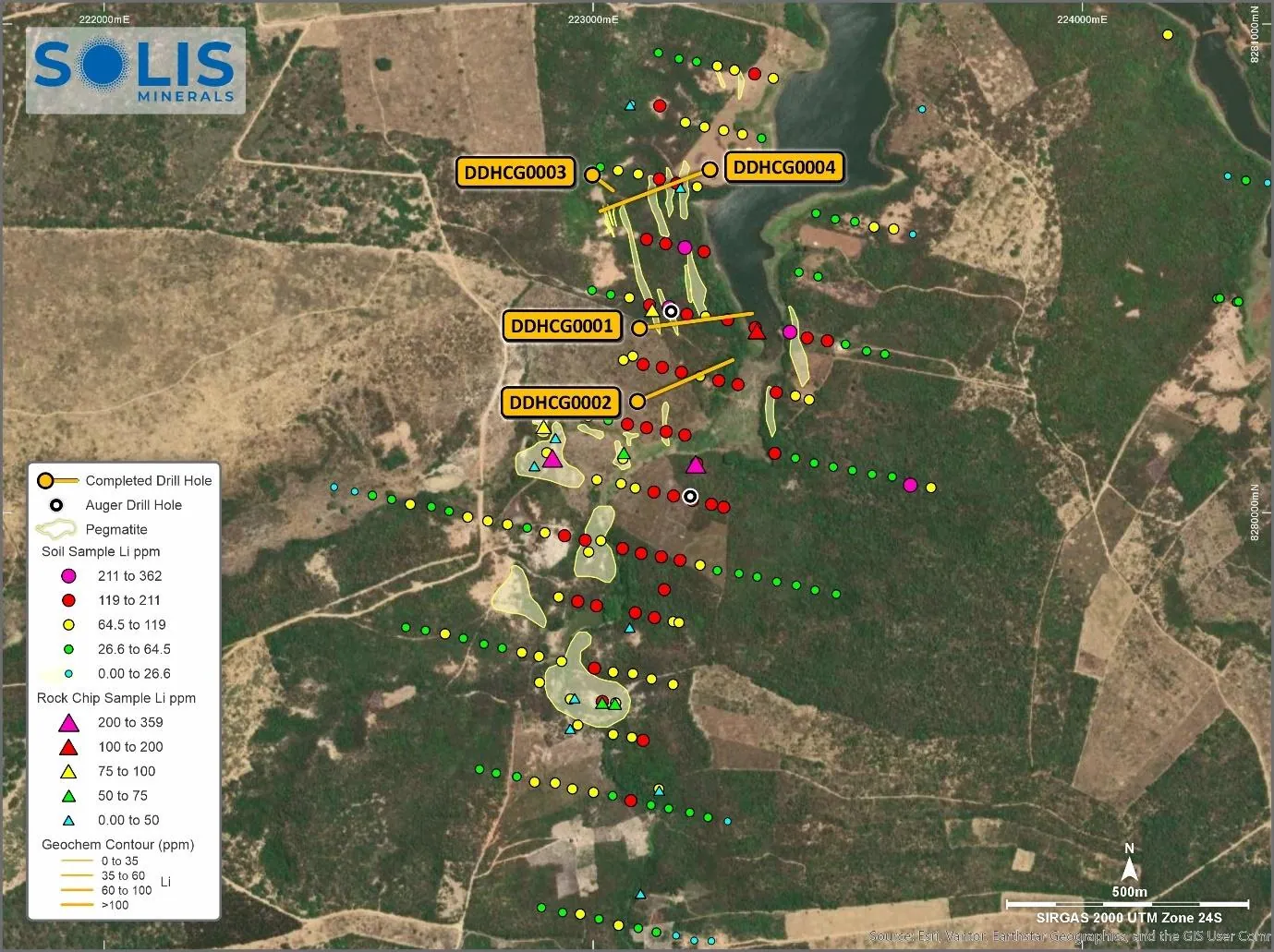
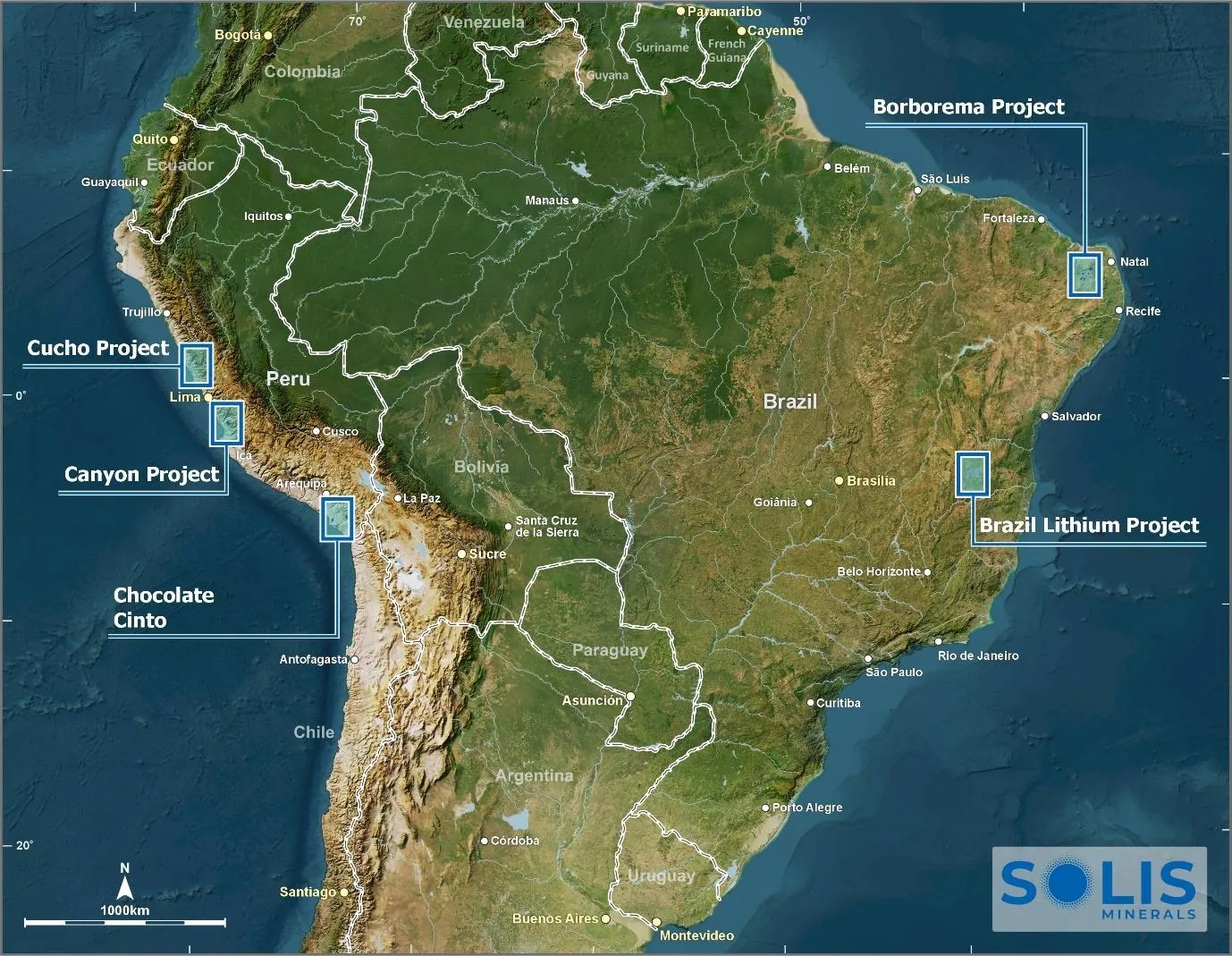
The Brazil work sits within the 93,000-hectare lithium district acquired from Rio Tinto, where Solis has also collected more than 170 regional samples. Initial regional results included anomalous lithium, gold, copper and rare earth values, but none was considered sufficiently material to report as a standalone discovery. Five laboratory standards in the Brazil batches fell outside the stated acceptance range, leaving affected results subject to review and re-analysis.
Cash supports a wide but assay-heavy pipeline
Solis reported A$4.0 million in cash at 30 September 2026 and says it is managing exploration expenditure across its copper and lithium portfolio. That balance provides funding visibility for an active programme, but the immediate investment narrative is now heavily dependent on a sequence of pending results: Cucho assays and further drilling, Cinto assays, the remaining Mandacaru and Campo Grande data, and final target ranking across Brazil.
Get ASX:SLM news the moment it breaks
 iPhone & iPad
 Android
Bottom Line?
Cucho has produced the strongest early geological signal, but the next assays must convert visual sulphides into measured grades before the interpreted system can be judged.
Questions in the middle?
- Will Cucho assays confirm a material copper-molybdenum zone across the visually logged intervals?
- Can follow-up drilling establish continuity between SLM26-01, historical holes and the eastern target areas?
- Will the remaining Brazil assays identify a significant lithium interval despite the weak results reported so far and the provisional laboratory status?
Sources
1-
First Cucho Drill Hole Extends Copper System (opens in a new tab)Verified source. Solis Minerals Limited · 24 Nov 2026