Provaris clears key DNV hurdle for large-scale CO₂ tank

4 min read
8:26am on Friday 27th of November, 2026 AEDT ~8am, 27th Nov, 26
Provaris Energy has secured DNV Approval in Principle for a 25,000 m³ low-pressure liquid CO₂ tank developed with Yinson Production. The milestone clears a technical hurdle, but further testing, ship-application approval and commercial decisions remain before deployment.
- DNV Approval in Principle for a proprietary 25,000 m³ low-pressure LCO₂ tank
- Design intended for FSIUs, LCO₂ carriers and terminal storage
- Next phase targets General Approval for Ship Application
- Havstjerne CCS provides an identified project setting, not a deployment commitment
- Material testing, fabrication trials and commercial agreements still required
 Add us as a preferred source on Google
DNV validates the tank concept
Provaris Energy Ltd (ASX:PV1) has cleared a significant technical checkpoint for its carbon capture and storage ambitions, with DNV awarding Approval in Principle to a proprietary 25,000 m³ low-pressure liquid CO₂ tank developed with Yinson Production.
The approval confirms the concept is feasible within a defined DNV framework and that no significant technical barriers were identified at this stage. It is not final ship-application approval, a construction commitment or evidence of commercial deployment. Still, independent class validation gives Provaris a stronger platform for the next round of engineering and qualification work.
The announcement follows the company’s earlier progress towards DNV review of the same tank programme, including the start of planning for General Approval for Ship Application, or GASA. That earlier work was reported alongside DNV tank approval work and a separate funding effort, but the current filing marks the formal AiP milestone.
A larger tank aimed at CCS scale
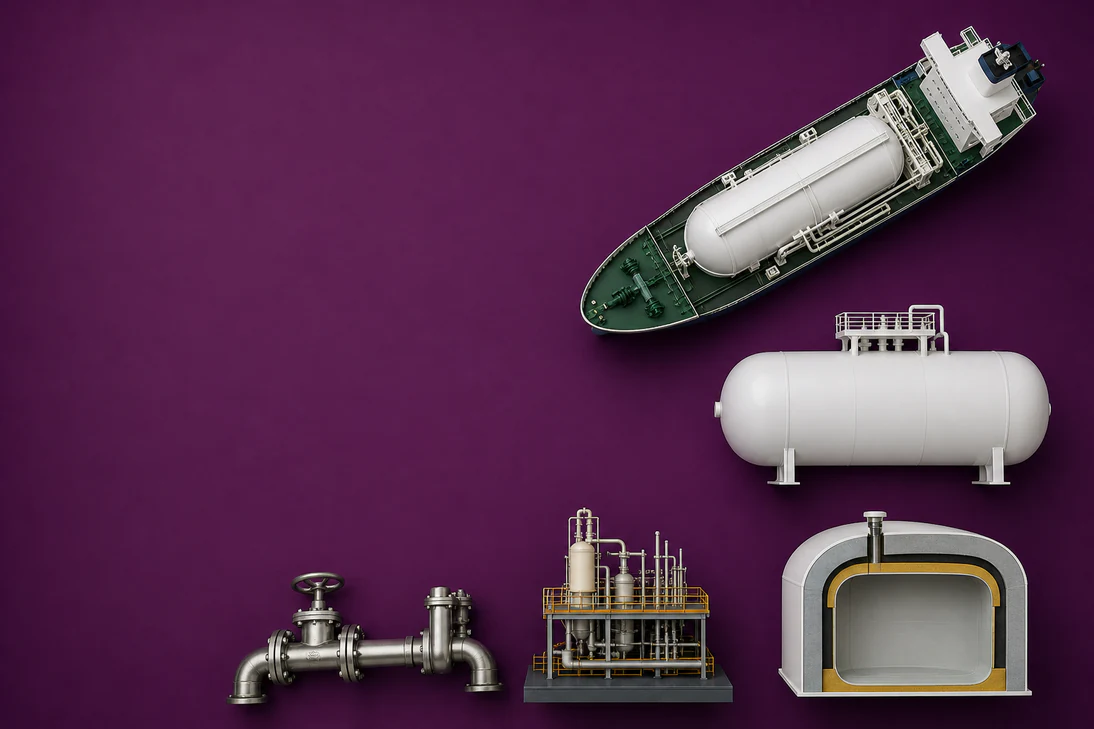
The tank is designed as a Type C equivalent containment system for shipboard installation, using proprietary sandwich construction, multilayered plates, automated handling and laser welding. Provaris and Yinson say the approach could allow fewer, larger tanks than conventional systems, potentially improving hull utilisation and simplifying marine process systems.
Those benefits remain prospective. The companies say the design may reduce capital and operating costs per tonne of CO₂ handled, but the filing provides no project-level cost estimate, contract value or revenue forecast. Its intended applications span Yinson’s floating storage and injection units, LCO₂ carriers and terminal storage within integrated CCS supply chains.
Havstjerne provides a project setting
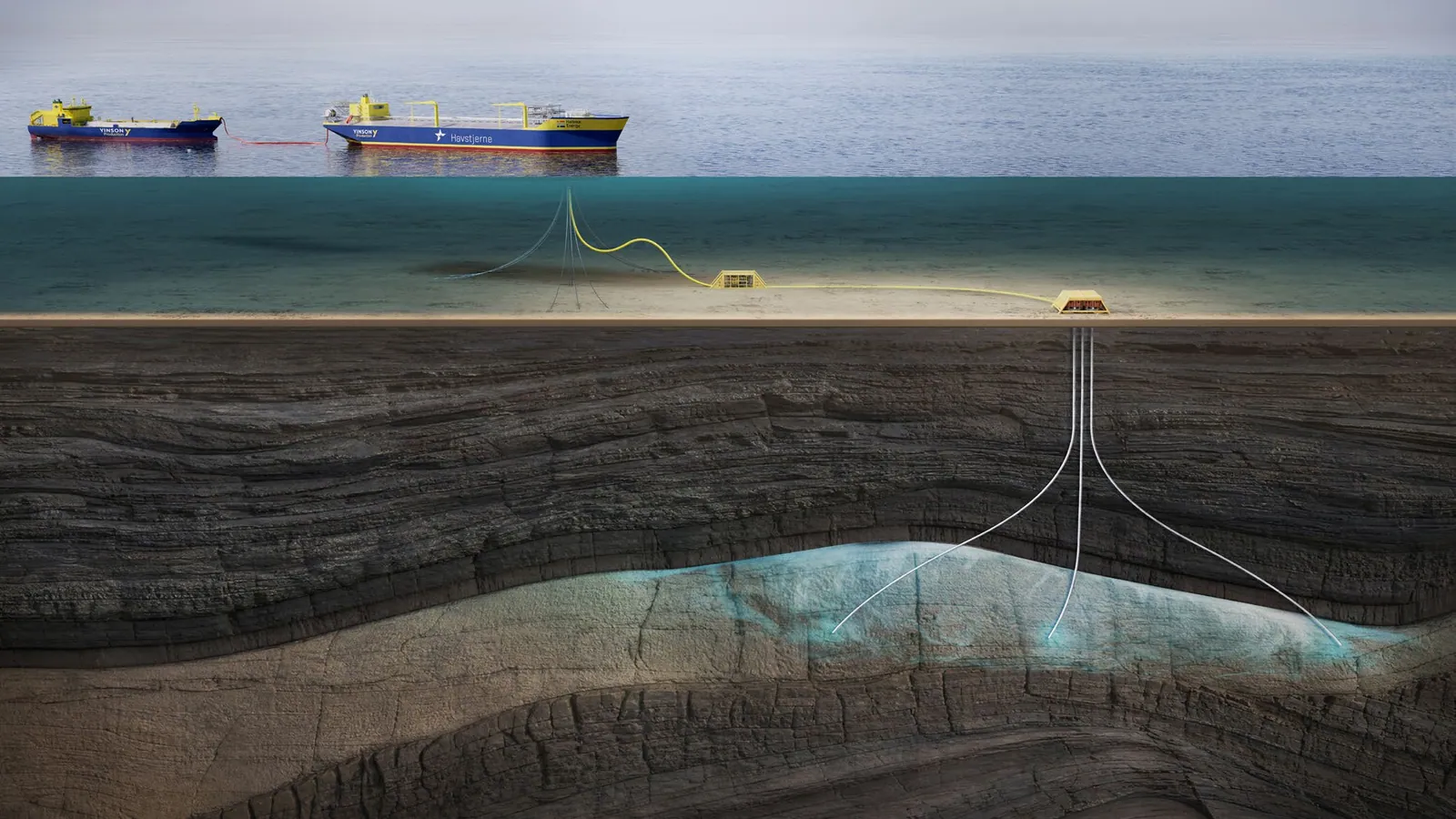
Yinson is advancing marine CCS infrastructure, including a proposed 100,000 m³ floating storage and injection unit. The 25,000 m³ tank is the reference containment solution being considered for that development and is linked in the announcement to the Havstjerne CCS project in the North Sea, which has a stated storage capacity of 10 million tonnes per annum.
Havstjerne is being developed by Harbour Energy as operator with a 60% interest and Stella Maris CCS, a Yinson Production company, with 40%. The linkage gives the tank programme an identified use case, but Provaris explicitly says any deployment remains subject to further engineering and approvals, commercial agreements and project investment decisions.
Testing now stands between AiP and deployment
Provaris and Yinson will now work with DNV on the remaining qualification programme. It includes closing structural design documentation, material and weld-strength testing, fatigue testing, fabrication demonstrations and validation of production tolerances for the multilayered plate and core elements.
The next formal target is GASA, which is intended to demonstrate compliance with the International Code for the Construction and Equipment of Ships Carrying Liquefied Gases in Bulk. The companies also plan further integration work for FSIUs and LCO₂ carriers, alongside engagement with fabricators, shipyards and CCS project participants.
For Provaris, the question has shifted from whether the low-pressure concept can pass an initial independent review to whether it can be manufactured, integrated and financed at the scale envisaged. The AiP improves the technical case; the remaining tests and project decisions will determine how much commercial weight that validation ultimately carries.
Get ASX:PV1 news the moment it breaks
 iPhone & iPad
 Android
Bottom Line?
The AiP reduces a key technology hurdle, but GASA, fabrication testing and a committed CCS project remain the next proof points.
Questions in the middle?
- Can Provaris and Yinson complete GASA without material redesign or further qualification delays?
- Will the tank’s claimed efficiency and cost advantages translate into binding commercial agreements?
- When, if ever, will Havstjerne or another CCS project make a firm investment decision involving the technology?
Sources
1-
DNV Approval Milestone for LCO2 Tank (opens in a new tab)Verified company source. Provaris Energy Ltd · 27 Nov 2026 · investors.provaris.energy