Archer Targets Scalable Potassium Sensor Manufacturing by November 2025

Archer Materials has partnered with Belgium’s IMEC to develop a scalable, cost-effective potassium ion biosensor using silicon semiconductor technology, aiming to accelerate commercial production by late 2025.
- Partnership with IMEC to develop silicon-based potassium ion sensors
- Focus on scalable, high-volume semiconductor manufacturing
- Initial project phase to complete by November 2025
- Goal to integrate biosensor into handheld point-of-care devices
- Collaboration aims to derisk supply chain and manufacturing challenges
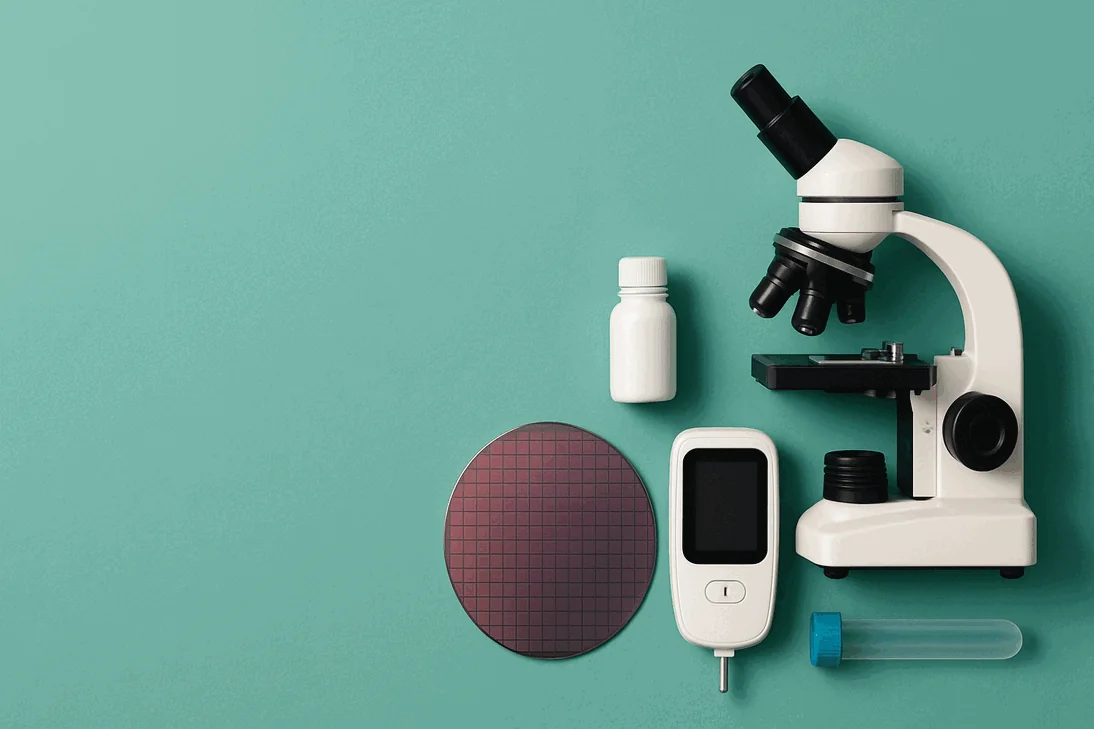

Archer’s Strategic Leap into Scalable Biosensor Production
Archer Materials, an Australian semiconductor innovator, has announced a significant partnership with IMEC, a world-renowned research and innovation centre based in Belgium. This collaboration targets the development of a potassium ion biosensor leveraging silicon semiconductor technology, a move that could dramatically enhance the scalability and cost-effectiveness of Archer’s medical diagnostic devices.
Traditionally, Archer’s biosensor development has focused on graphene-based devices, prized for their sensitivity but challenging to mass produce. By integrating silicon, a semiconductor material foundational to the global chip industry, Archer aims to tap into mature manufacturing processes and supply chains. This pivot could accelerate the transition from laboratory prototypes to commercially viable products.
Engineering Milestones and Commercial Implications
The initial phase of the IMEC project is slated for completion by November 2025. During this stage, IMEC will test semiconductor foundry processes to build and functionalise chips capable of detecting potassium ions. Success here would pave the way for the next phase – developing a full prototype complete with electronic readout systems and disposable cartridges designed for handheld biosensor readers suitable for point-of-care or at-home use.
Dr Simon Ruffell, CEO of Archer, emphasised the importance of this partnership, highlighting IMEC’s global reputation and infrastructure as critical to scaling manufacturing and securing supply chains. The collaboration not only aims to reduce production costs but also to mitigate risks associated with manufacturability and integration, key hurdles in bringing innovative biosensor technology to market.
Broader Industry Context and Future Prospects
IMEC’s expertise in nanoelectronics and semiconductor scaling is expected to provide Archer with access to a broad European network of manufacturers and medical device specialists, potentially opening new commercial avenues. For Archer, this partnership represents a pivotal step in the commercialisation of its biosensor platform, which could have wide-reaching applications in medical diagnostics, particularly in monitoring blood potassium levels, a critical parameter in many health conditions.
While the promise of silicon-based sensors matching the sensitivity of graphene remains to be fully validated, the strategic move to leverage established semiconductor manufacturing capabilities signals Archer’s commitment to overcoming production challenges and accelerating market entry.
Bottom Line?
Archer’s collaboration with IMEC could redefine biosensor manufacturing, but the path to commercial success hinges on proving silicon’s performance matches graphene’s sensitivity.
Questions in the middle?
- Will silicon-based sensors achieve the sensitivity levels of graphene devices?
- What are the projected production costs and timelines beyond November 2025?
- How will Archer navigate regulatory approvals for clinical and at-home use?