Can Patagonia Lithium Sustain Flow Rates to Meet Demonstration Plant Targets?

3 min read
8:34am on Wednesday 1st of April, 2026 AEDT ~8am, 1st Apr, 26
Popular on LinkedIn
Patagonia Lithium has reported robust 72-hour pump test results from its Formentera lithium brine project, signalling promising aquifer connectivity and flow rates that support upcoming production targets.
- 72-hour pump test at well JAM26-06 achieved average flow of 3,206 L/h
- Aquifer connectivity confirmed by brine level responses in multiple wells
- Brine shows promising lithium concentration and conductivity
- Upcoming milestones include seismic survey, porosity study, and new drilling
- Mineral Resource Estimate remains at 551,400 tonnes LCE with no material changes
Strong Pump Test Validates Formentera Aquifer Potential
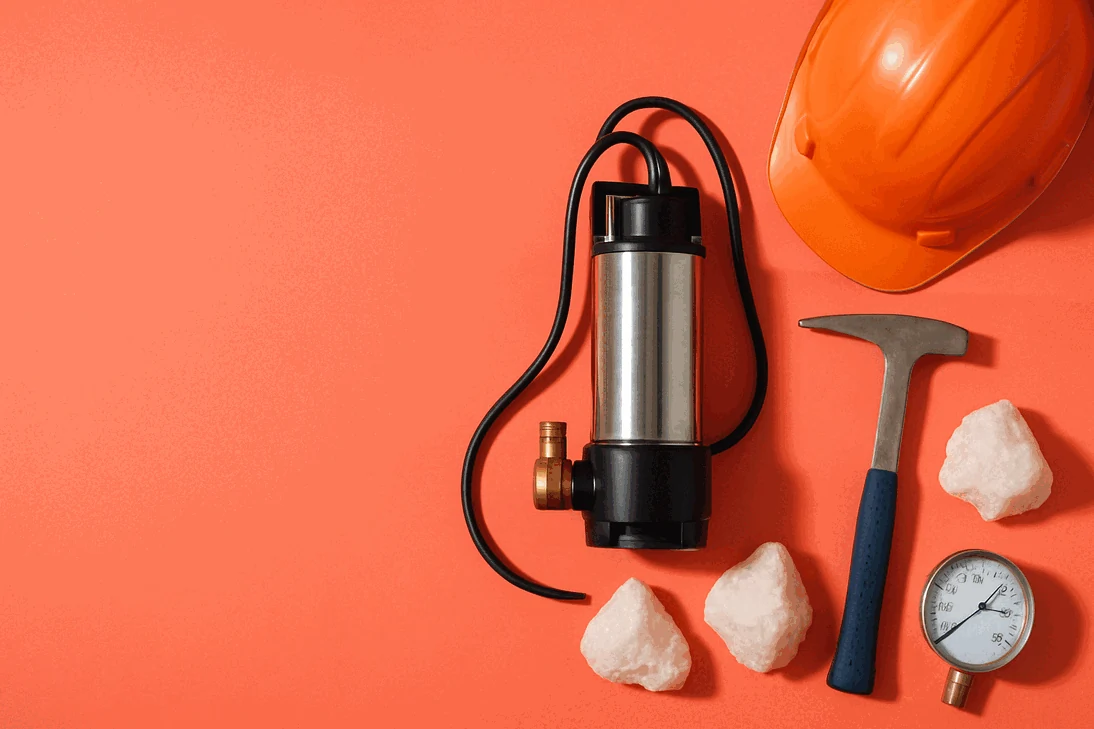
Patagonia Lithium Ltd (ASX:PL3) has delivered encouraging results from a 72-hour pumping test at its Formentera lithium brine project in Argentina’s Salar de Jama. The test, conducted at well JAM26-06, pumped over 225,000 litres of brine at an average rate exceeding 3,200 litres per hour through a modest 19mm hose. This performance bodes well for the company’s ambitions to reach production well flow rates of around 13,500 litres per hour, essential for their planned 1,000 tonne lithium carbonate demonstration plants.
The test also demonstrated strong aquifer connectivity, with brine levels dropping in adjacent wells JAM 24-01 and JAM 24-02 as pumping progressed, indicating a hydraulically linked system with high porosity. Notably, the water level in JAM26-06 recovered rapidly after pumping ceased, further confirming the aquifer’s capacity to sustain flow.
Lithium Concentrations and Quality Indicators
Brine samples taken during the test revealed a specific gravity of 1.10 gm/cm³ and conductivity of 160 mS/cm, both positive indicators of lithium presence and dissolved solids concentration. Previous assays from the same well reported lithium concentrations around 412 ppm, reinforcing the project’s resource potential. While some assay results from SGS Laboratories are still pending, the data to date supports the company’s confidence in the resource.
Next Steps and Resource Outlook
Patagonia Lithium outlined several upcoming technical milestones, including a gamma porosity survey at JAM26-06, a 7-kilometre seismic survey, and the commencement of drilling at well JAM26-07. Packer tests and assay results from this new well will feed into an updated Mineral Resource Estimate (MRE), currently standing at 551,400 tonnes of lithium carbonate equivalent (LCE). The company confirmed no material changes to the assumptions underpinning this MRE since its last update in July 2025.
Additional preparatory work includes shaker tests on test brines to support pilot plant trials using Ekosolve™ solvent exchange technology, a critical step towards scaling up lithium carbonate production. Patagonia’s commitment to environmental stewardship was also highlighted through site rehabilitation efforts following drilling activities.
Strategic Positioning in the Lithium Triangle
Situated in the prolific lithium triangle of northern Argentina, Patagonia Lithium’s Formentera/Cilon project benefits from favourable geology and existing infrastructure. The company also holds concessions in Brazil targeting rare earth elements and niobium, diversifying its portfolio. Since listing on the ASX in March 2023, Patagonia has rapidly advanced exploration and resource definition, positioning itself as a notable player in the lithium brine sector.
Bottom Line?
With strong pump test results underpinning its resource potential, Patagonia Lithium sets the stage for critical upcoming drilling and pilot plant milestones that could accelerate its path to production.
Questions in the middle?
- Will upcoming assay results from SGS confirm and enhance lithium grade expectations?
- How will the seismic and porosity surveys refine the understanding of aquifer extent and resource size?
- What timelines and scale can be expected for the pilot plant demonstration and commercial production?