Midas Reports Record 50m at 7.9% CuEq at Otavi T-13 Deposit

Midas Minerals has delivered its highest-grade copper and silver intercepts yet at the T-13 deposit in Namibia, with ongoing drilling poised to expand resources and accelerate exploration.
- 50m at >7.9% copper equivalent intercept
- 16.3m at 12.99% copper and 360g/t silver within main intercept
- Ongoing multi-rig drilling with plans to expand to seven rigs
- Initial T-13 inferred resource at 10.5Mt grading 2.0% CuEq
- Namibia's stable mining jurisdiction supports project development
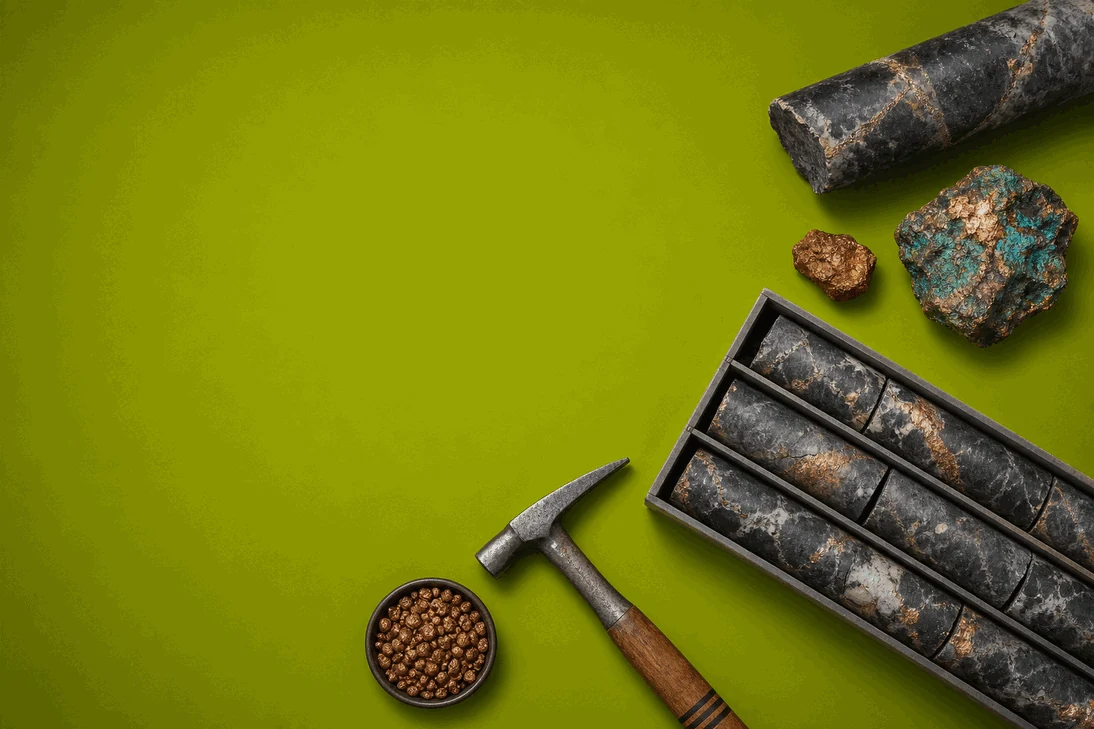

Record High-Grade Intercepts at T-13
Midas Minerals Ltd (ASX:MM1) has unveiled its best copper and silver intercept to date at the T-13 Copper-Silver Deposit within the Otavi Copper Project, Namibia. The standout result is a 50-metre interval grading over 7.9% copper equivalent (CuEq) from 194 metres depth, including an extraordinary 16.3 metres at 12.99% copper and 360.2 grams per tonne silver. These figures eclipse previous drilling results and underscore the exceptional tenor of mineralisation in the Main Zone.
This batch of initial nine infill diamond drill holes confirms strong continuity of high-grade mineralisation, with many silver assays still pending and some capped at 200g/t awaiting re-assay. The copper mineralogy is dominated by chalcocite-covellite, with native copper, bornite, chalcopyrite, and malachite also present, indicating a complex and rich ore assemblage.
Drilling Expansion and Resource Growth Potential
Two diamond rigs are currently active at T-13, complemented by two reverse circulation rigs drilling at the nearby Spaatzu prospect, 12 kilometres away. Midas plans to ramp up to seven rigs across the Otavi Project, including commencing resource drilling at the Deblin Copper-Gold-Silver Deposit and adding a fourth diamond rig. This aggressive drilling campaign aims to grow the resource base beyond the initial inferred Mineral Resource of 10.5 million tonnes at 2.0% CuEq announced in April 2026.
Managing Director Mark Calderwood expressed optimism about the project's potential, highlighting the excellent continuity of the Main Zone and the prospect of delineating high-grade mineralisation at the adjacent T-13 West zone. The company’s drilling strategy is designed to both infill and extend the known mineralised zones throughout 2026, potentially enhancing the project's economic case.
Namibia’s Mining Credentials and Project Context
Namibia ranks fourth in Africa on the Fraser Institute’s Investment Attractiveness Index for 2024, thanks to its stable democracy, transparent mineral title systems, supportive fiscal regime, and robust infrastructure. Mining contributes significantly to the country's GDP and employment, with a well-established industry presence from major players like B2Gold and South32.
Midas’ Otavi Project covers approximately 1,776 square kilometres of highly prospective tenure with historic shallow, high-grade intercepts such as 17.2 metres at 7.24% copper and 144.4 grams per tonne silver. Modern exploration has only covered less than 40% of the area, leaving substantial upside for new discoveries. The company also holds options on adjoining projects, including South Otavi and West Otavi, which further extend its footprint in this prolific copper belt.
The recent assay results build on the initial resource announcement and the company’s $28 million capital raise completed in April 2026 to fund an accelerated drilling and feasibility program, boosting cash reserves to around $33 million. This financial backing supports the planned multi-rig drilling expansion and resource development activities.
Meanwhile, drilling at Spaatzu continues to deliver promising results, including a 52-metre intercept averaging 1.8% copper and 11 grams per tonne silver, reinforcing the regional potential of the Otavi Copper Project and the strategic importance of this exploration hub.
Bottom Line?
Midas’ latest high-grade intercepts at T-13 reinforce the resource growth trajectory, but pending assays and core recovery issues highlight the need for cautious optimism.
Questions in the middle?
- How will pending silver assays and native copper analyses impact the overall resource grade and size?
- Can Midas sustain the planned drilling ramp-up to seven rigs without operational bottlenecks?
- What are the timelines and milestones for converting these exploration results into a feasible mining operation?