Nexsen Launches Joint Facility to Develop E. coli and Salmonella Sensor

Nexsen Limited teams with Universiti Malaya to launch a joint research facility aiming to develop a rapid biosensor detecting E. coli and Salmonella simultaneously, addressing a critical food safety gap in Southeast Asia.
- Joint facility co-funded by Nexsen and Universiti Malaya
- Development of rapid dual biosensor for E. coli and Salmonella
- Targeting commercially viable product within 24 months
- Expansion of Nexsen’s Asia-Pacific footprint alongside Hong Kong operations
- Collaboration supports Malaysian government biotechnology priorities
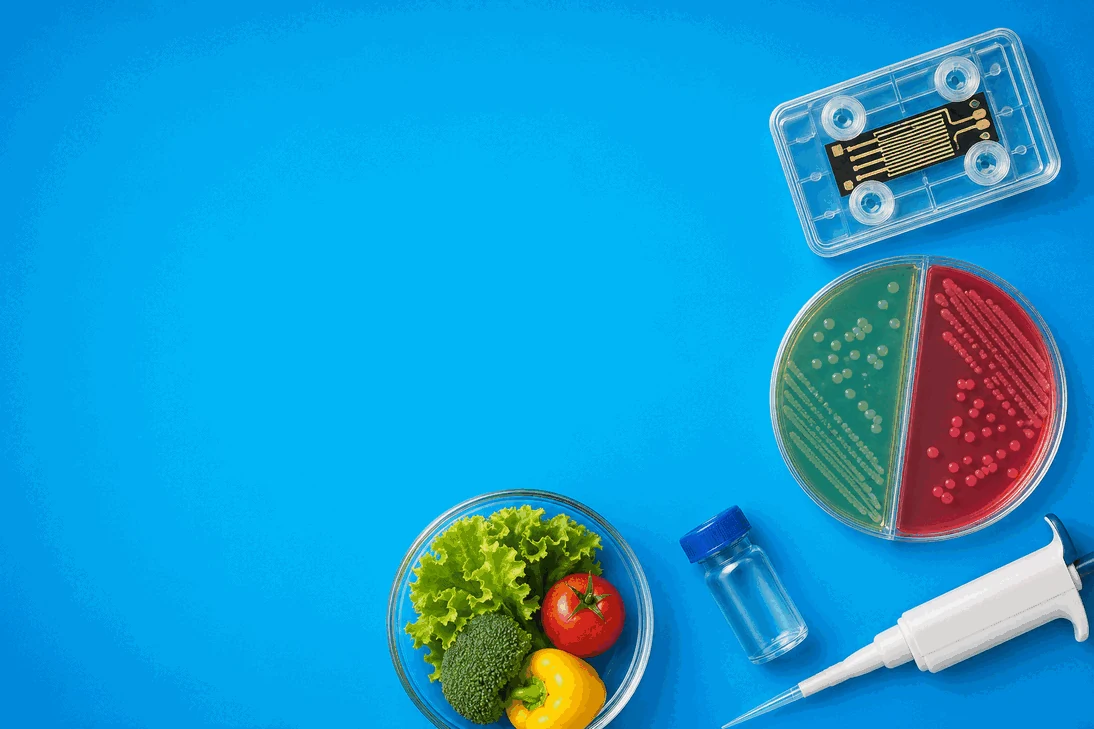

Nexsen Establishes Asia-Pacific Research Hub with Top Malaysian University
Nexsen Limited (ASX:NXN) has formalised a partnership with Universiti Malaya (UM), Malaysia’s oldest and globally ranked 58th university, to create the UM-Nexsen Joint Research Facility. This new centre, located at UM’s Innovative Medical Devices Centre of Excellence, will be a dedicated hub for R&D and commercialisation focusing initially on a rapid biosensor for foodborne pathogens.
The collaboration is co-funded equally, with each party committing approximately A$0.33 million, and aims to leverage UM’s established biosensor infrastructure alongside Nexsen’s ultrasensitive sensor technology. The facility also supports talent development through Industry PhD programs and internships, building capacity in biomedical innovation within the region.
Addressing a Critical Gap in Food Safety Diagnostics
The first project targets a dual biosensor capable of simultaneously detecting E. coli O157:H7 and Salmonella spp., two major foodborne pathogens. Current detection methods rely on culture-based testing that can take days and require specialised labs, hindering timely intervention. The Malaysian Ministry of Health has identified the lack of a rapid dual-sensor as a significant unmet need, especially given the extensive food trade between Malaysia and Singapore.
UM has developed prototype devices for independent detection of these pathogens, currently undergoing laboratory and field trials with Malaysian health authorities. Nexsen brings its expertise in translating university research into commercial products, aiming to refine and standardise the sensor system for manufacturing scale-up and convert existing reader technology into a standalone, field-deployable device.
This project is ambitious, with a target to deliver a commercially viable product within 24 months, validated against gold-standard bacterial plating and PCR methods through collaboration with food producers, regulators, and accredited laboratories in both Australia and Malaysia.
Strategic Expansion of Nexsen’s Asia-Pacific Presence
The Malaysian facility complements Nexsen’s recent establishment of a manufacturing and research hub in Hong Kong, funded by a HK$6 million IGNITE grant, positioning the company with physical R&D bases in two key regional markets. Both hubs benefit from non-dilutive funding, enhancing efficiency in research and development spend.
This expansion aligns with Malaysian national priorities under the 13th Malaysia Plan and National Biotechnology Policy 2.0, providing Nexsen a platform to engage regulators and food industry stakeholders across Southeast Asia. It also broadens the application of Nexsen’s rapid diagnostics platform, which underpins its existing products like StrepSure® and kidney diagnostic suites, into the food safety sector.
Notably, Nexsen’s broader regulatory and commercial strategy is progressing, with recent milestones including an FDA 510(k) submission pathway confirmation for StrepSure® and advancing ISO 13485 certification, supporting its Asia-Pacific market rollout ambitions clear FDA regulatory hurdle and ISO 13485 audit completion.
Bottom Line?
Nexsen’s UM partnership marks a strategic push into food safety diagnostics, but delivering a dual-pathogen sensor within two years will test its R&D execution and regulatory navigation.
Questions in the middle?
- How will Nexsen manage the technical challenges of integrating dual-pathogen detection into a single rapid biosensor?
- What regulatory hurdles might arise in commercialising the food safety sensor across multiple Southeast Asian markets?
- Could this joint facility catalyse further collaborations or product expansions beyond food safety diagnostics?