Biome Australia to Onshore Activated Probiotics Production with SPA, Targeting Margin and Working Capital Gains

Biome Australia has inked a binding deal with Specialty Probiotics Australia to shift its Activated Probiotics manufacturing onshore, aiming to boost gross margins above 65% and streamline working capital within 18 months.
- Binding manufacturing agreement with Specialty Probiotics Australia
- Gross margin expected to rise from 61% to over 65%
- No upfront capital investment required
- Working capital efficiency through lower inventory and faster stock turn
- European supply partnerships retained for diversification
 Add us as a preferred source on Google
Strategic Shift to Onshore Manufacturing
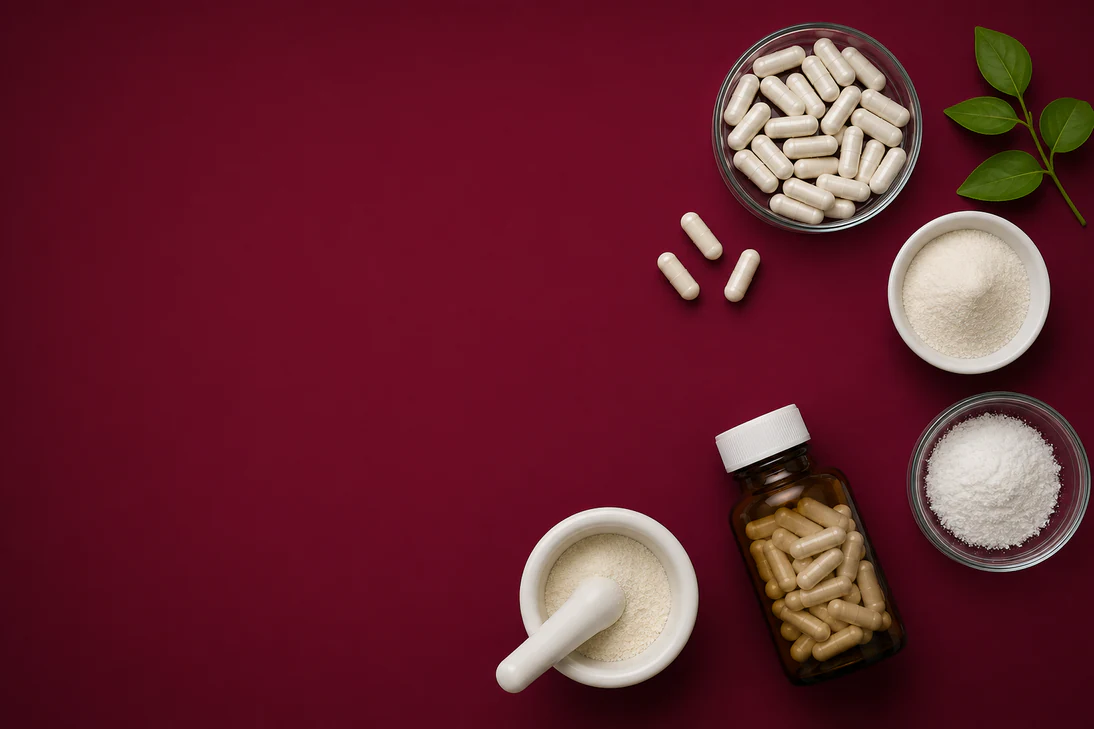
Biome Australia (ASX:BIO) has taken a significant step in its Vision 27 strategy by signing a binding commercial manufacturing agreement with Specialty Probiotics Australia (SPA), bringing production of its Activated Probiotics range to Australian soil. This move, set to commence with the first commercial batch targeted for September 2026, is designed to deliver a competitive edge through local manufacturing without requiring Biome to make any upfront capital expenditure.
The partnership with SPA, a GMP-licensed probiotic manufacturer led by Craig Silbery, former CEO and co-founder of Life Space, is expected to underpin Biome's ongoing growth domestically and internationally. SPA’s expertise in probiotic production and commercialisation promises to smooth the transition and support future product development.
Margin Expansion and Working Capital Relief
Biome’s current gross margin of approximately 61%, achieved since the Activated Probiotics launch in 2019 without any retail price increases, is forecast to climb above 65% within 18 months as production shifts onshore. Chief Financial Officer Lauren Dwyer highlighted that this improvement will come alongside meaningful working capital benefits. Producing smaller, more frequent batches locally is expected to reduce inventory days and eliminate lengthy international sea freight, freeing up capital tied in stock and transit.
Importantly, the agreement carries no minimum purchase obligations, giving Biome flexibility while maintaining a disciplined balance sheet. This financial upside arrives without the burden of capital investment, a notable advantage in an industry where manufacturing scale-up often demands significant upfront costs.
Enhancing Brand Differentiation and Supply Chain Resilience
Onshoring production also adds a valuable point of difference in global markets, particularly among consumers and healthcare practitioners who prioritise product origin and quality manufacturing standards. This aligns with Biome’s status as a certified B Corporation, as the move reduces the carbon footprint associated with international freight.
Biome will maintain its European manufacturing partnerships to service EU markets, preserving supply chain diversification and mitigating risk. This dual-sourcing approach offers optionality as Biome scales, ensuring continuity in the face of potential disruptions.
Implementation Timeline and Strategic Implications
The transition to Australian manufacture will be progressive, with the full Activated Probiotics range expected to move onshore over approximately 18 months, subject to commercial scale-up success. Founder and CEO Blair Vega Norfolk framed the agreement as the first phase in a broader plan to exert greater control over manufacturing inputs and intellectual property, a cornerstone of Biome’s Vision 27 strategy.
This development follows Biome’s recent milestones, including surpassing one million probiotic boxes sold and expanding clinical research efforts, underscoring a company poised for scalable growth and operational refinement. The onshoring initiative could be a key lever in improving margins and operational agility as Biome navigates competitive and regulatory landscapes.
Bottom Line?
Biome’s onshoring deal with SPA signals a strategic bet on margin expansion and supply chain control without upfront capital, but execution risks remain in scaling local production.
Questions in the middle?
- How smoothly will Biome manage the commercial scale-up of onshore manufacturing over 18 months?
- What impact will onshoring have on product pricing and customer acceptance in international markets?
- Could SPA’s manufacturing capacity keep pace if Biome’s Activated Probiotics demand accelerates?