G11 Resources Expands Mt Lyell Exploration After Strong Zig Zag Assays

G11 Resources has identified a broad alteration zone with elevated silver, arsenic and antimony at its Zig Zag target in Tasmania, while preparing three more drill holes. The company has also secured government co-funding to test a separate copper-gold target and reported encouraging early geochemistry at Packsaddle.
- 62m phyllic alteration zone intersected at Zig Zag
- Arsenic peaks of up to 7,330ppm in single-metre samples
- Three further Zig Zag holes planned
- Northeast Pyrite drilling backed by Tasmanian government co-funding
- $3.14m cash and $1.618m quarterly exploration spend

 Add us as a preferred source on Google
Zig Zag Assays Extend Mt Lyell-Style Target
G11 Resources Limited (ASX:G11) has found a 62-metre zone of phyllic, or sericite-rich, alteration in its second diamond hole at the Zig Zag target in Tasmania's Mt Read Volcanics. The interval carried elevated silver, arsenic and antimony, with single-metre arsenic results reaching 3,530 parts per million and 7,330ppm.
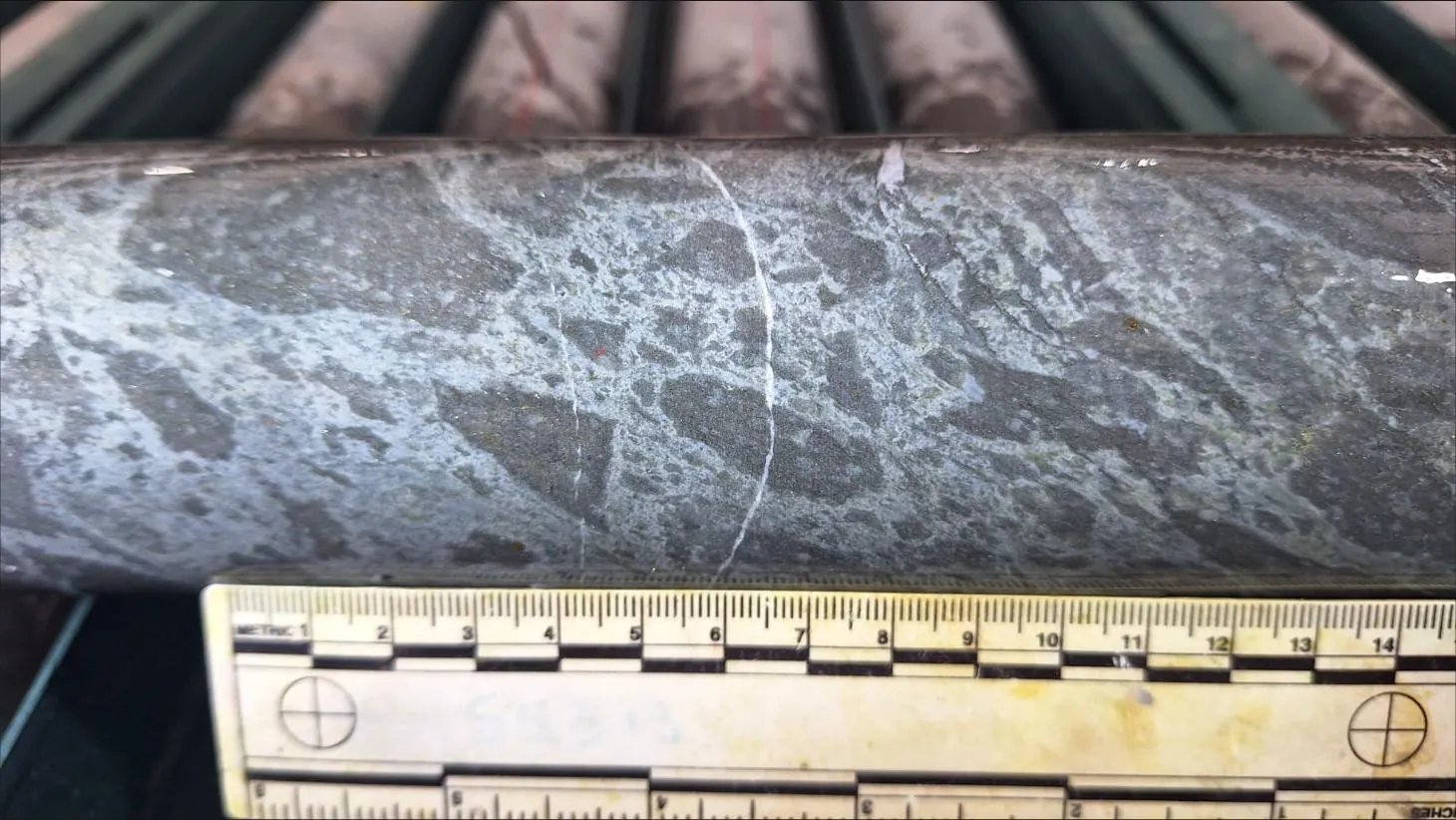
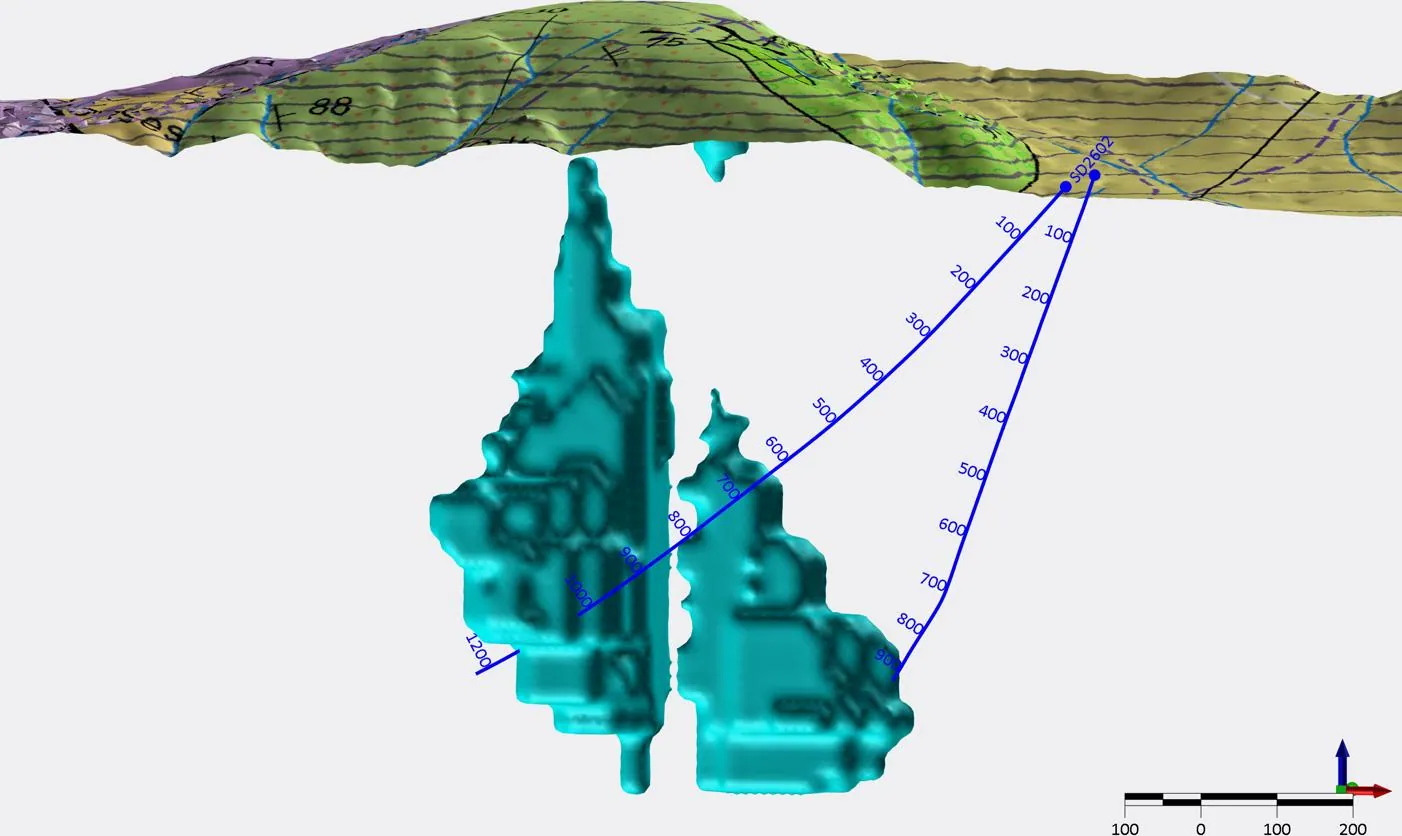
The company interprets the alteration and pathfinder geochemistry as being associated with a faulted contact between black mudstone and the underlying volcanic sequence. That interpretation has led G11 to plan three additional diamond holes from a new drill pad, aimed at testing the northern extension of the Mt Lyell-style alteration system. The result builds on the earlier Zig Zag drilling, which had identified a broad alteration zone but was still awaiting assays to confirm the geochemical picture.
The result is encouraging exploration information, not a resource estimate or an economic discovery. Down-hole electromagnetic surveying produced only small early-time anomalies in SD2602 between about 1,040 metres and 1,100 metres downhole, with no notable off-hole conductors. Around 1,054 metres of core from SD2601 and SD2602 remains unsampled, with 28 further samples pending.
Northeast Pyrite Moves Towards Government-Backed Drilling
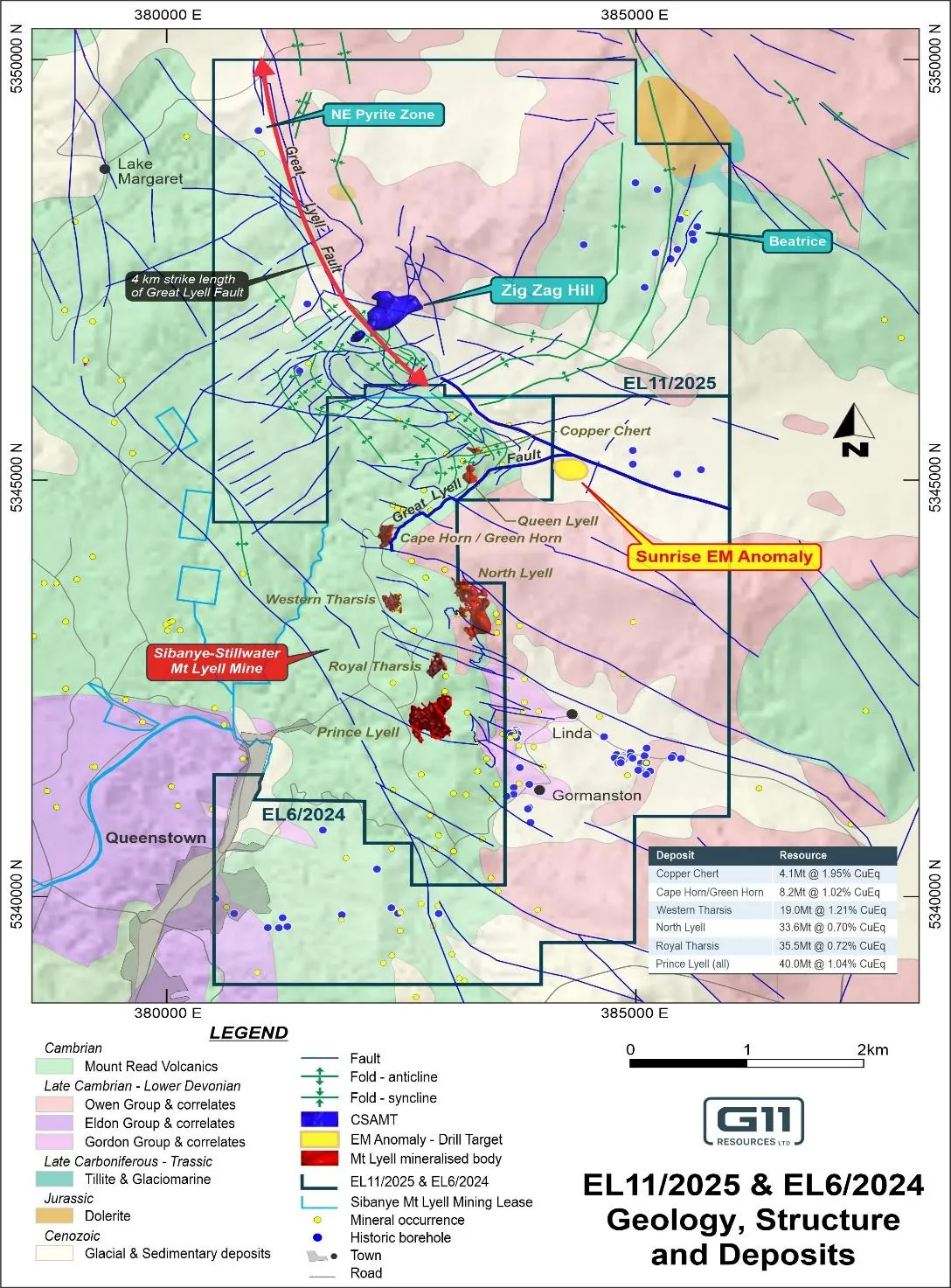
G11 has also defined a new copper-gold target at Northeast Pyrite, about four kilometres along strike from the Mt Lyell Copper Chert and Tasman Crown deposits. The target sits near the Great Lyell Fault and is supported by coincident induced-polarisation chargeability and resistivity anomalies, together with sheared, sericite-pyrite-silica altered felsic volcanics.
Three diamond holes have been designed, subject to drilling approvals. The Tasmanian Government's Exploration Drilling Grant Initiative has awarded co-funding for the program, with the grant deeds expected to be finalised in the coming weeks and fieldwork planned for the 2026/27 summer season. The same target was previously reported as a three-hole program with potential government support in the Northeast Pyrite drilling plan.
The geological case remains partly dependent on historical work that G11 has not independently verified or validated under the JORC 2012 framework. A single historic hole, drilled in 2006, intersected results including 0.15ppm gold, 739ppm copper, 2,170ppm lead and 1,220ppm zinc, but the company says those figures indicate exploration potential only and should not be treated as current Exploration Results, Mineral Resources or Ore Reserves.
Packsaddle Geochemistry Adds More Early-Stage Targets
In New South Wales, G11 received results from 320 Ionic Leach soil samples across the Kings Hill and North Block areas at Packsaddle, taking total sampling across the project to 470 samples. Kings Hill's Target 3 showed a subtle but coherent multi-element signature dominated by lead and zinc, with supporting gold and palladium responses. At North Block, early results included associations involving gold, silver, rhenium, copper, nickel, cadmium, lead and zinc.
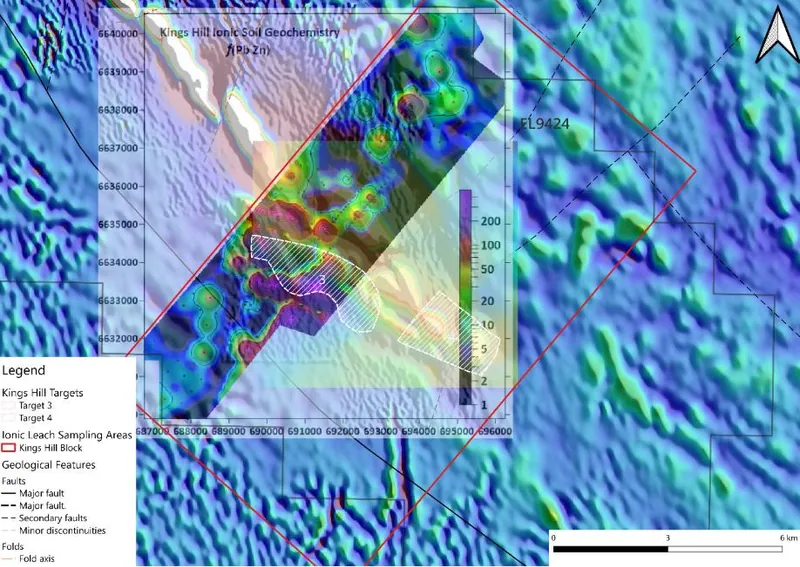
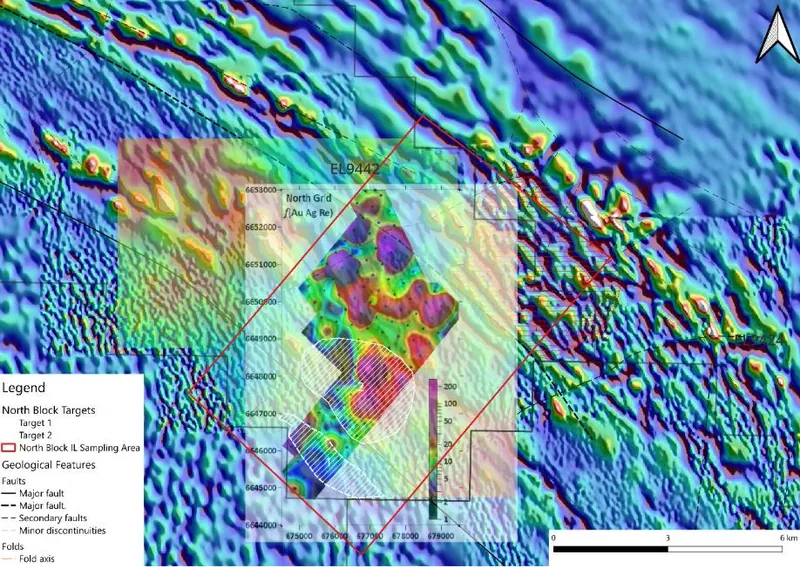
Those anomalies coincide with geophysical and structural features, including the Olepoloko Fault and interpreted fold or intrusive contacts. G11 describes the combination as supportive of possible Broken Hill Type, orogenic gold and intrusion-related gold-copper systems, but the sampling grid was broad, with stations spaced 400 metres apart on 400-metre lines. A ground gravity and passive seismic survey covering 579 stations was also completed during the quarter.
Sunrise Drilling Paused as Cash Funds Exploration
At the Sunrise airborne electromagnetic target in the Comstock Valley, drilling was paused after poor ground conditions were encountered at depth. G11 is sourcing a more suitable rig before restarting the hole, after which the rig is planned to return to Zig Zag. The Sunrise anomaly remains untested and sits near interpreted structures associated with the broader Mt Lyell mining district.
G11 finished the September quarter with $3.14 million in cash and spent $1.618 million on geological surveys, drilling, consumables, contractors and technical staff. The figures put the focus firmly on execution: pending Zig Zag assays, the next three holes, approvals and grant finalisation at Northeast Pyrite, and a workable drilling solution at Sunrise will determine how quickly these targets move beyond geochemical promise.
Get ASX:G11 news the moment it breaks
 iPhone & iPad
 Android
Bottom Line?
The next value-defining evidence is still in the drill core: pending Zig Zag assays and the first modern holes at Northeast Pyrite must convert alteration and anomalies into mineralised intervals.
Questions in the middle?
- Will the remaining Zig Zag core confirm copper or gold mineralisation alongside the strong arsenic and alteration signatures?
- When will approvals and grant deeds allow drilling to begin at Northeast Pyrite, and what will the first holes show beyond the historic data?
- Can G11 resume Sunrise drilling without materially slowing the planned Zig Zag and Northeast Pyrite programs?
Sources
1-
G11 September 2026 Quarterly Activities Report & Appendix 5B (opens in a new tab)Official market announcement. G11 Resources Limited · 29 Oct 2026 · g11resources.com.au