Fulcrum's Nevada lithium resource opens a larger path to growth

Fulcrum Lithium has delivered a 10.7 million tonne lithium carbonate equivalent resource at Alkali Flats, while advancing acid-free extraction tests and securing approval to drill Dry Canyon. The progress comes with only A$875,000 in cash and no stated plan to raise more funds.
- 3.57 billion tonnes at 563ppm lithium containing 10.7Mt LCE
- 4.33Mt LCE classified as Measured and Indicated
- 64% to 79% extraction from roast calcination and water leach tests
- 41 claims added at Alkali Flats
- Dry Canyon approved for up to 11 maiden drill holes
 Add us as a preferred source on Google
Alkali Flats delivers 10.7Mt LCE resource
Fulcrum Lithium Ltd (ASX:FUL) has put a substantial resource behind its Nevada exploration story, reporting 3.57 billion tonnes at 563 parts per million lithium at Alkali Flats for 10.7 million tonnes of contained lithium carbonate equivalent. The maiden estimate arrived within a year of discovery and includes 4.33Mt LCE in Measured and Indicated categories, representing 40% of the total.
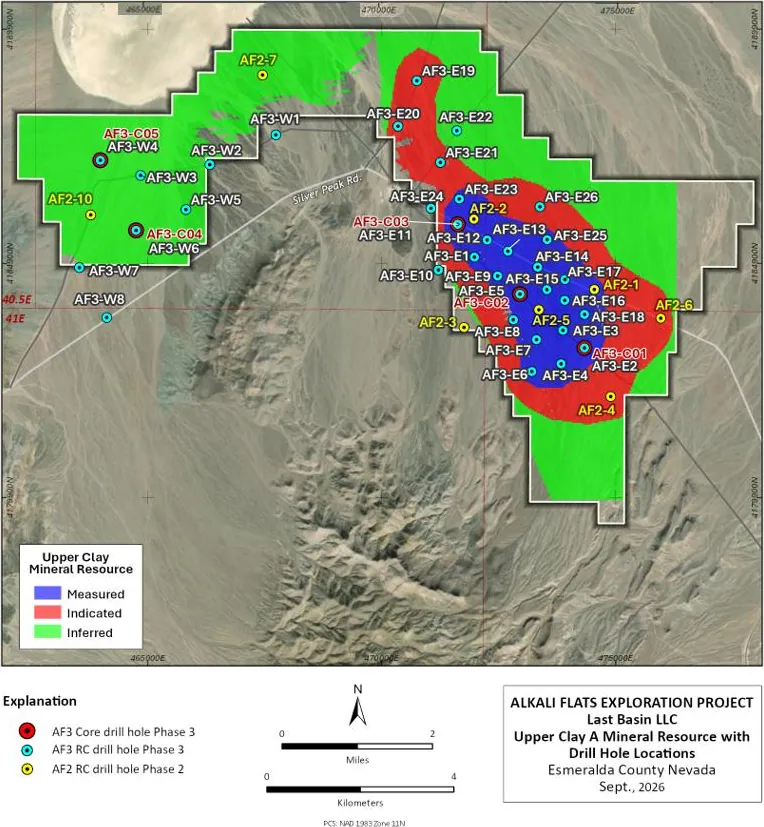
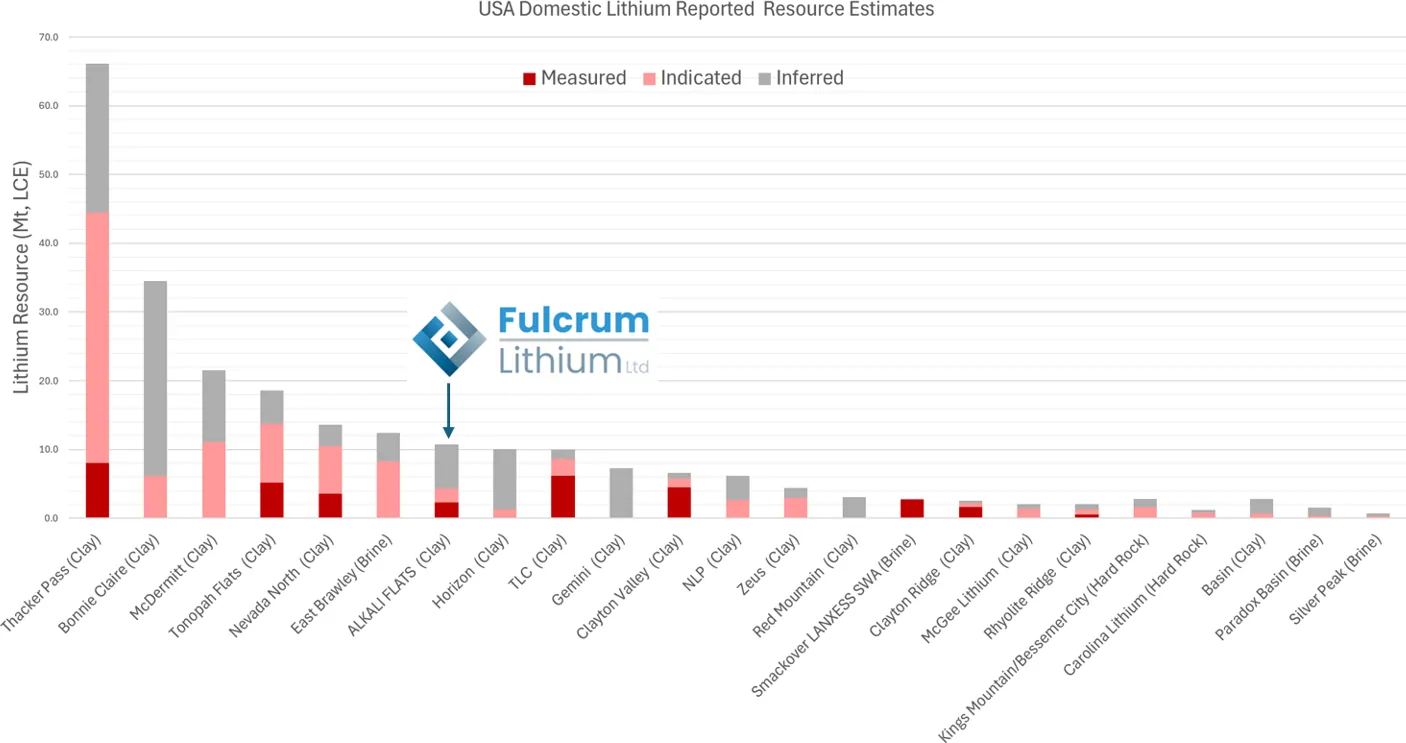
The estimate is based on 44 drill-hole penetrations and approximately 600-metre drill spacing in the deposit’s core. Fulcrum says the resource ranks seventh among reported domestic lithium resources in the United States and third among ASX-listed lithium exploration companies, comparisons drawn from the company’s cited project data rather than an independently verified ranking in this report. The estimate remains a mineral resource at an exploration-stage project, with no mining production or development expenditure recorded during the quarter.
Higher-grade targets guide Alkali Flats expansion
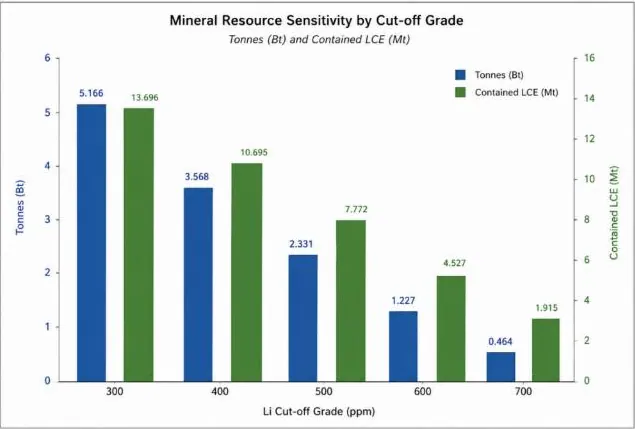
The resource model also gives Fulcrum a defined target for its next round of work. At a 700ppm lithium cut-off, the deposit contains 1.92Mt LCE at an average grade of 775ppm, and the company says the shallower, higher-grade zone trends towards the south-east.
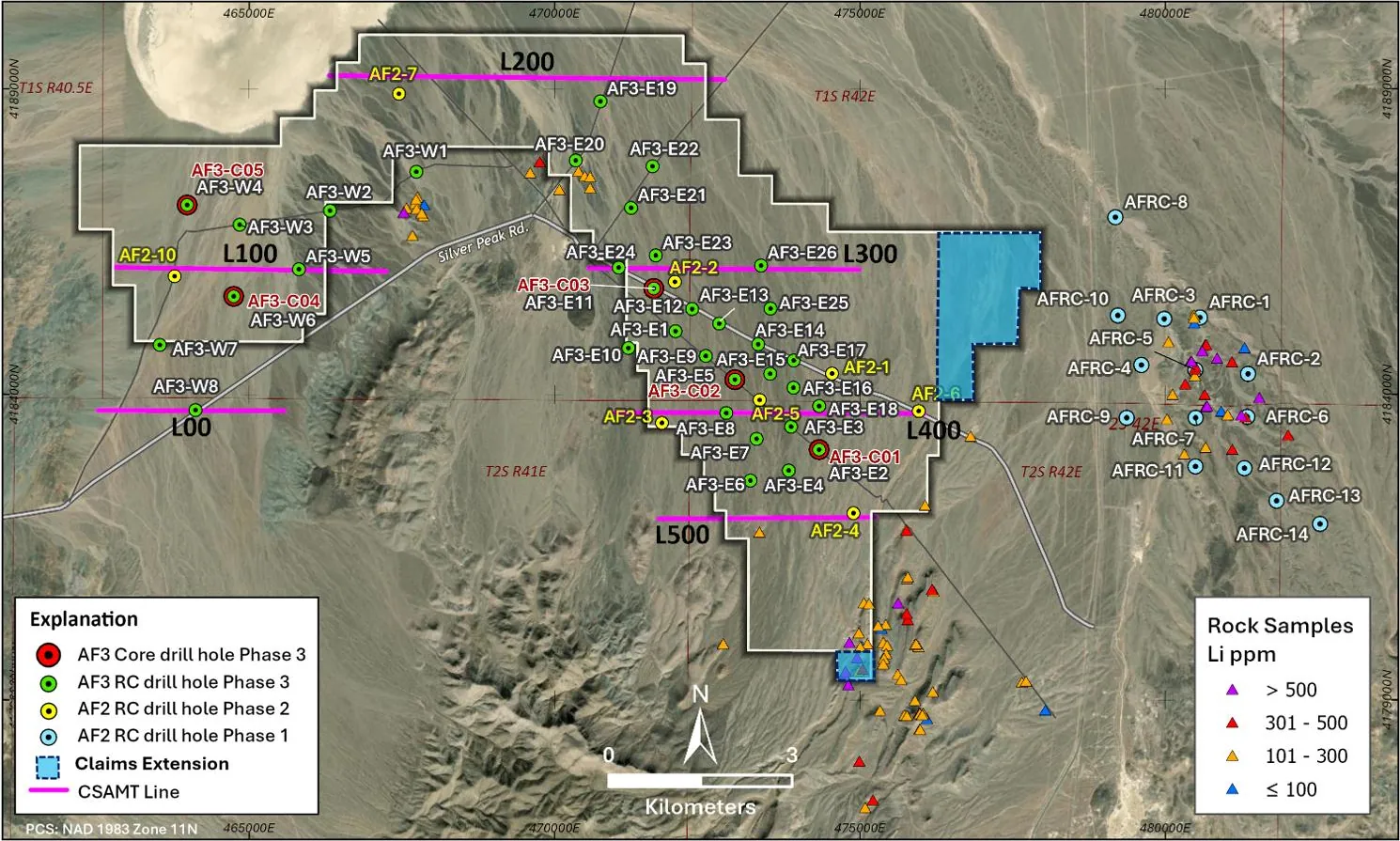
Fulcrum has staked 41 additional lode claims on the eastern side of Alkali Flats to support expansion drilling and bulk sampling for metallurgical work. The project now comprises 698 claims covering about 58 square kilometres. The claim expansion and the new drilling targets extend the same thread as the company’s Alkali Flats footprint expansion, which previously included up to 79% extraction in acid-free tests.
Water leach cuts impurities but trails acid recovery
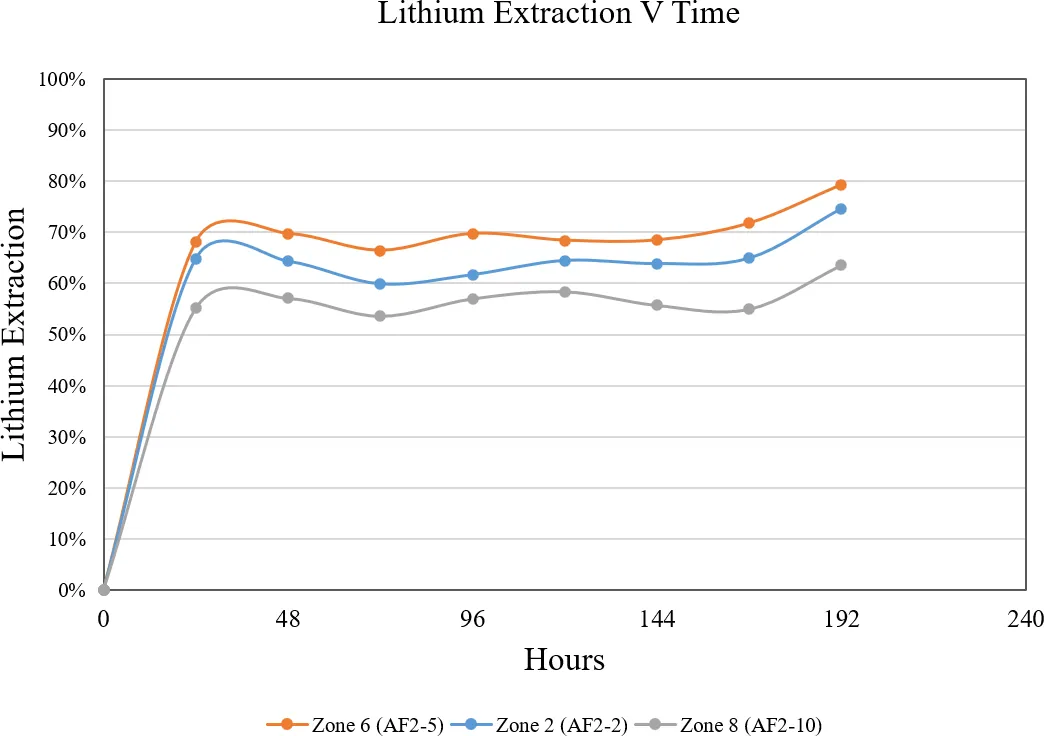
Metallurgy is developing along two different paths. Three roast calcination and water-leach mini-column tests produced lithium extraction of 64% to 79% over eight days, with as much as 68% extracted in the first 24 hours. The results improved on an earlier roast-and-water test, but remained below the 93% to 96% recoveries achieved in Fulcrum’s sulfuric-acid mini-column work.
The trade-off is a cleaner leachate. In the comparison provided for one sample, aluminium, iron, magnesium, manganese and titanium were reduced by more than 99% against the acid-leach test. Fulcrum also reported low reagent use and suggested that open-circuit water application and lower gypsum and limestone ratios could be tested next. These are scoping-level results, so the eventual process route, recovery rate and operating cost remain unresolved.
Dry Canyon moves towards up to 11 holes
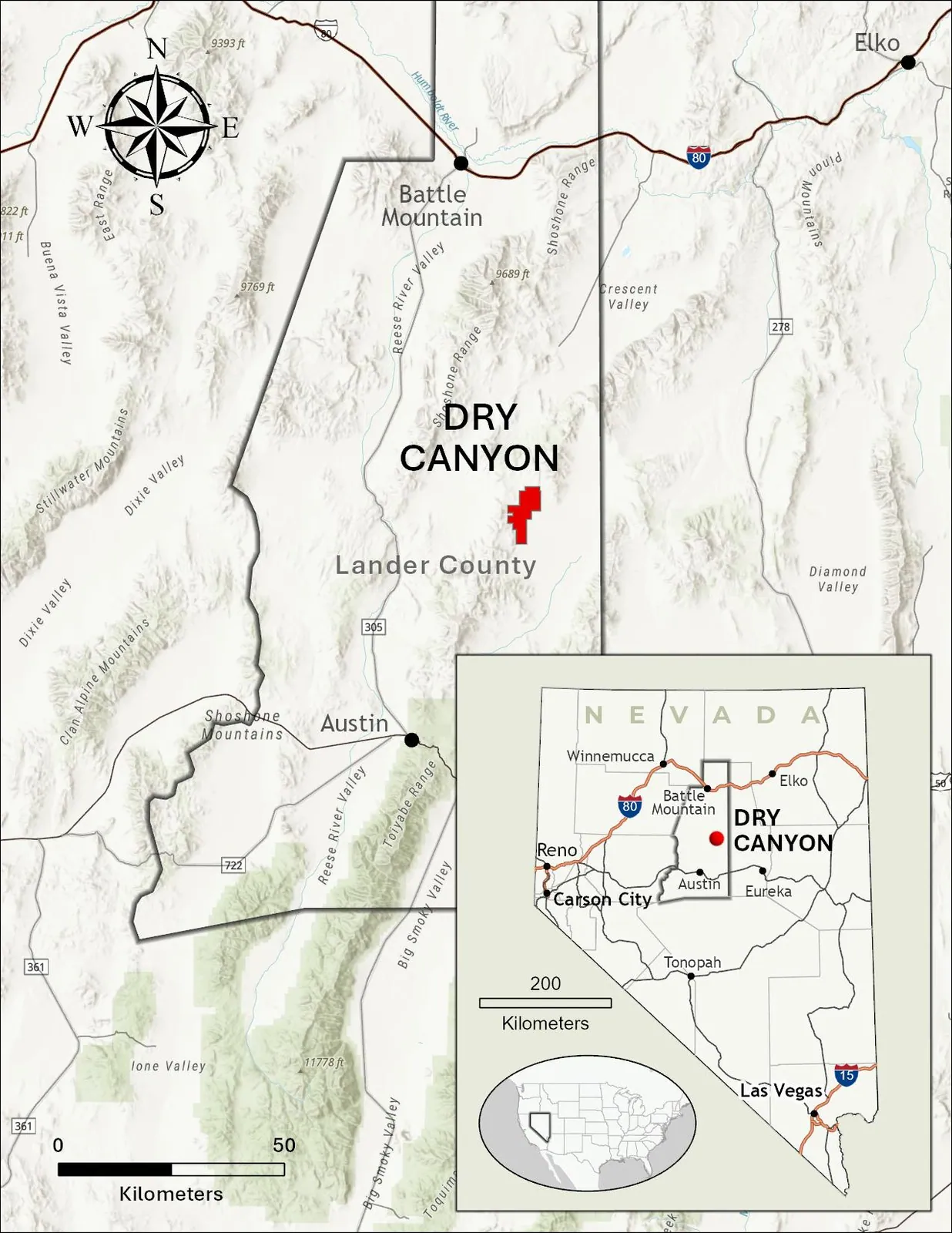
At the separate Dry Canyon project, the US Bureau of Land Management has approved a maiden drill program of up to 11 holes. The program is designed to test lateral and depth extensions of lithium mineralisation indicated by surface samples returning up to 1,219ppm lithium and by geophysical interpretations of potentially shallow, thick claystone targets.
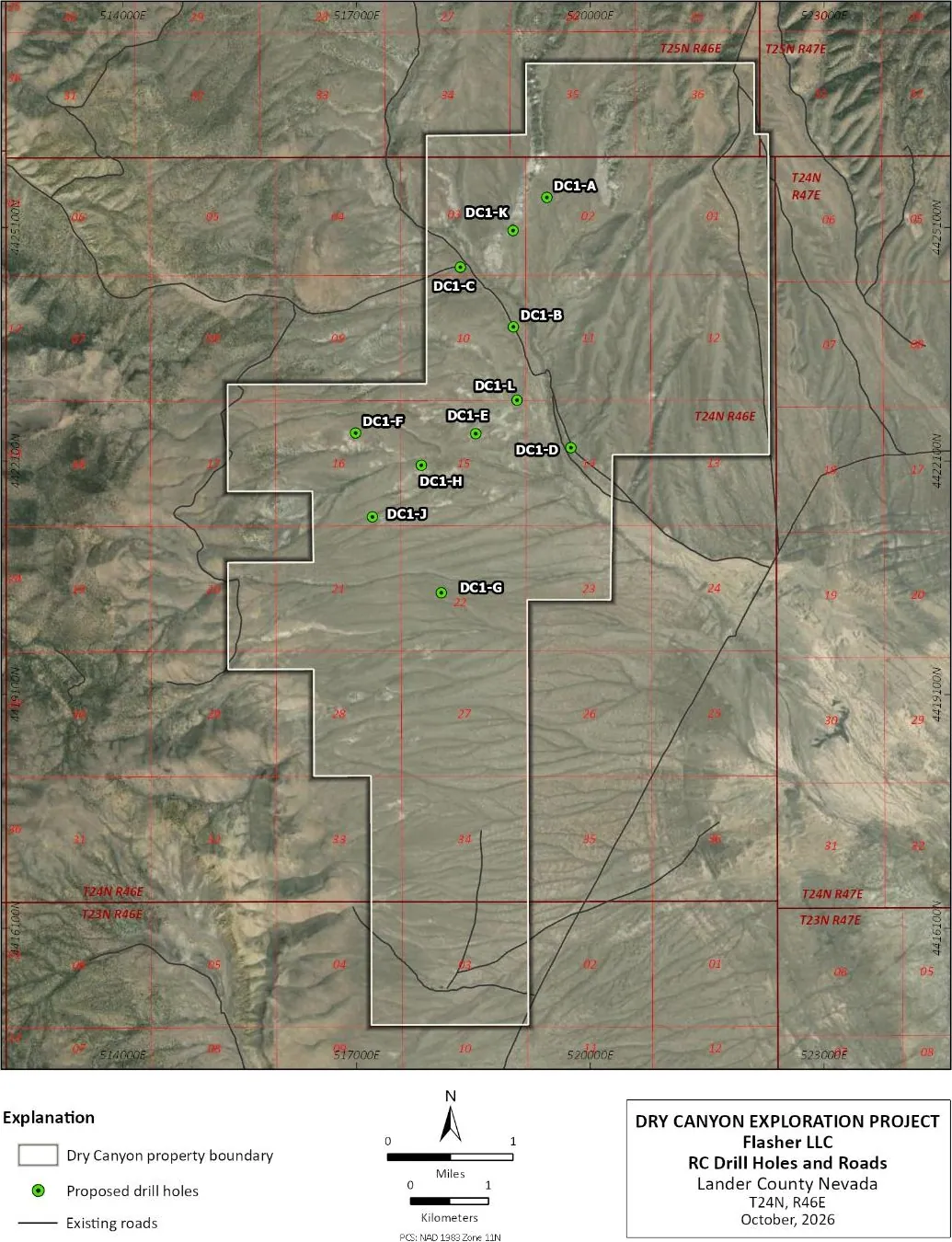
Fulcrum is sourcing a drill rig and is targeting drilling in the fourth quarter of 2026, subject to availability. The approval advances the same program outlined in the company’s Dry Canyon drilling plans, after earlier geophysical work identified thick shallow claystone targets and the claims position expanded to 536 lode claims.
Cash falls to A$875,000 after active quarter
The balance sheet is the less comfortable part of the report. Fulcrum spent A$709,000 during the quarter, including A$440,000 on exploration and evaluation and A$269,000 on administration and corporate costs. Cash and cash equivalents fell from A$1.584 million to A$875,000, with no financing proceeds recorded during the period.
On the standard Appendix 5B calculation, the company had 1.23 quarters of funding available at quarter-end. Fulcrum said that excluding A$289,000 in annual exploration licence rental fees, its quarterly outflow was A$420,000, implying about 2.08 quarters of funding. It also answered “No” when asked whether it had taken, or proposed, steps to raise further cash. That leaves the next round of drilling, metallurgical optimisation and any resource expansion competing for a limited cash balance.
Get ASX:FUL news the moment it breaks
 iPhone & iPad
 Android
Bottom Line?
The resource gives Fulcrum scale and Dry Canyon adds a near-term exploration catalyst, but the company may need to resolve its funding position before the next phase of work can run at full pace.
Questions in the middle?
- Will Alkali Flats expansion drilling convert more of the inferred resource into higher-confidence, higher-grade material?
- Can the acid-free process improve its 64% to 79% recovery range while preserving the reported impurity and reagent advantages?
- How will Fulcrum fund Dry Canyon drilling and ongoing Alkali Flats work once the reported cash runway is exhausted?
Sources
1-
Quarterly Activities/Appendix 5B Cash Flow Report (opens in a new tab)Official market announcement. Fulcrum Lithium Ltd · 30 Oct 2026 · fulcrumlithium.com