Grand Gulf’s Kazakhstan acreage opens a new Devonian oil frontier

Grand Gulf Energy has secured a large Geological Study of Subsoil over Kazakhstan’s underexplored North Turgai Basin, where historical seismic data points to Devonian carbonate reef targets. The acreage is prospective rather than proven: the company has yet to test the deeper targets with a well or publish a resource estimate.
- 8,750 square kilometre North Turgai Basin acreage position
- Historical seismic indicates potential Devonian reef and carbonate mound targets
- Targets sit at an estimated depth of about 2.8 kilometres
- Technical review will precede any drilling decision
- No discovery, resource estimate or drilling commitment disclosed
 Add us as a preferred source on Google
Grand Gulf Adds Large Kazakhstan Exploration Position
Grand Gulf Energy Limited (ASX:GGE) has secured an 8,750 square kilometre Geological Study of Subsoil, or GIN, in Kazakhstan’s North Turgai Basin, opening a new oil and gas exploration front for the company. The acreage covers about 2.16 million acres, but the announcement describes an exploration opportunity rather than a discovery or defined petroleum resource.
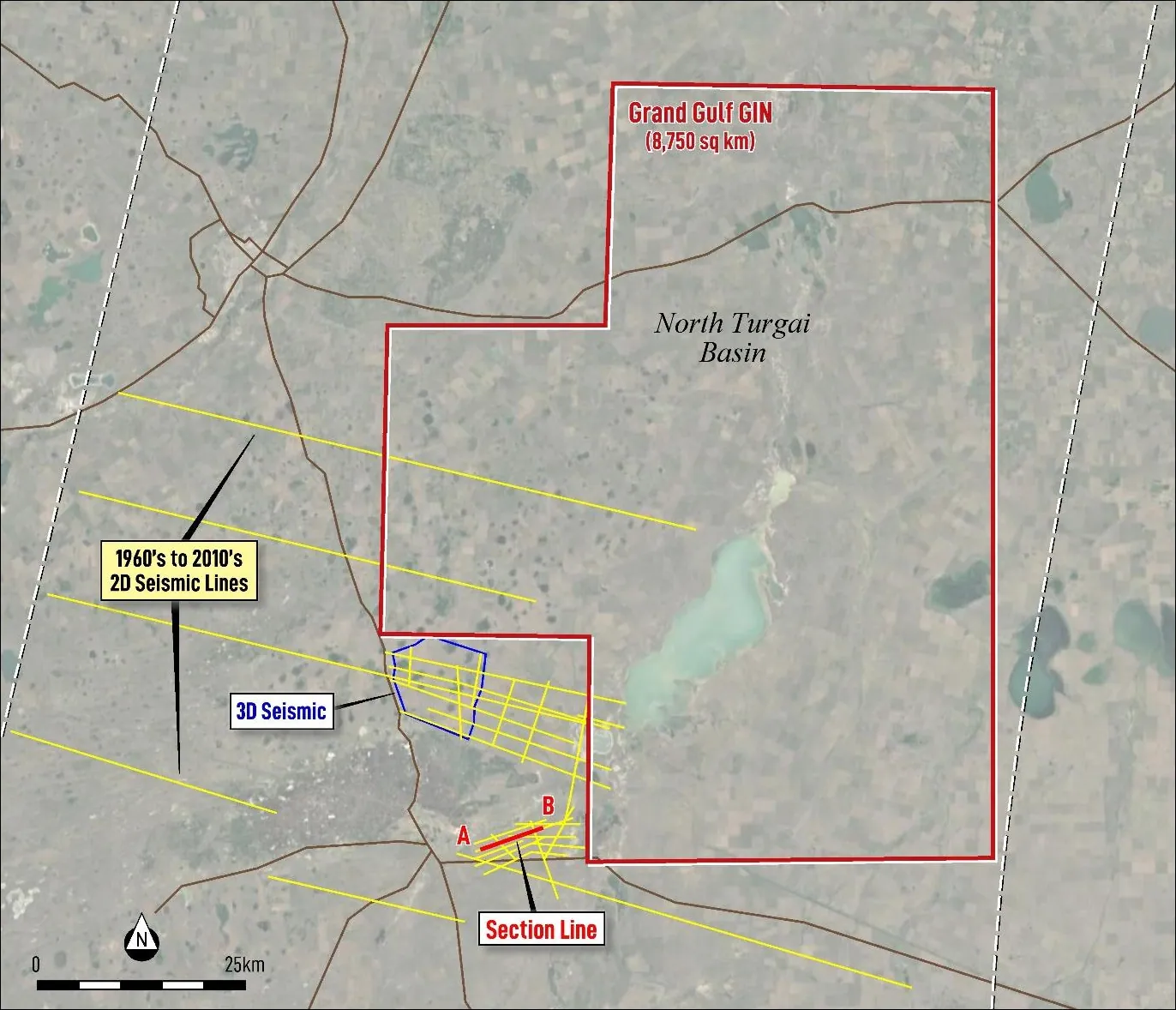
The attraction lies beneath a basin that has seen only limited exploration. Earlier drilling focused on shallower fractured formations, which delivered oil and gas shows and modest production, but did not penetrate the deeper Mid Devonian carbonates that Grand Gulf considers its primary target.
Seismic Points to Devonian Reef Targets
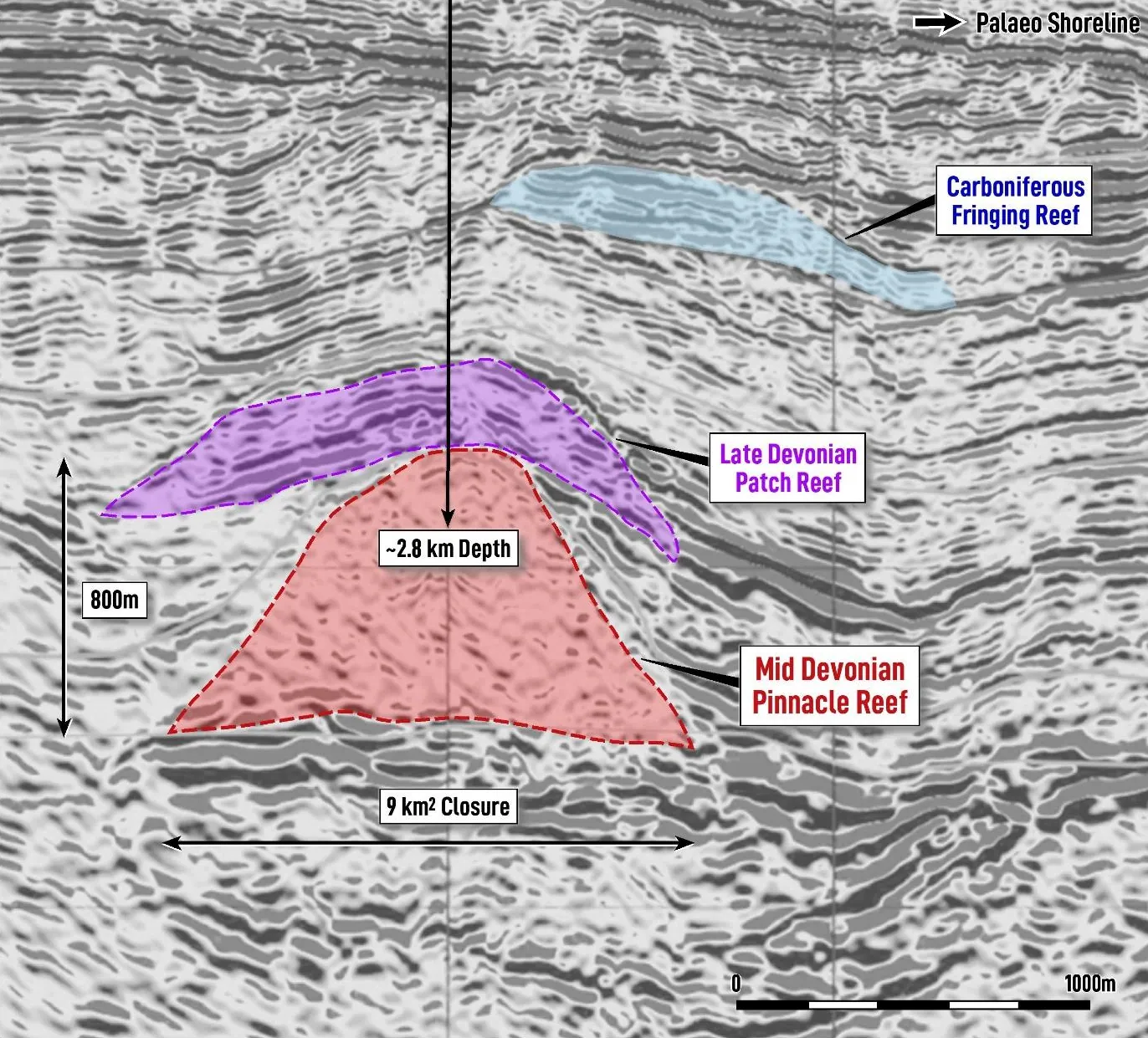
Grand Gulf says historical 2D and 3D seismic interpretation has identified several prominent carbonate mounds and pinnacle reefs at depths of roughly 2.8 kilometres. The company believes these structures may be analogous to Devonian carbonate reservoirs associated with major fields in the neighbouring North Caspian and Volga-Ural basins.
That geological comparison supplies the investment narrative, but not yet the commercial proof. The company says Devonian carbonate reservoirs can deliver initial rates above 1,000 barrels of oil per day from conventional vertical wells when they are hydrocarbon-charged and possess suitable porosity and permeability. Those production figures describe the reservoir type, not results from North Turgai.
Technical Review Comes Before Any Well
Director Fergus Kiley said Grand Gulf would first compile and analyse historical seismic, wireline logs, drilling records and other geological information to refine potential targets. The company says it may drill-test prospects if that work demonstrates commercial potential, but it has not committed to a well, given a drilling timetable or disclosed the tenure’s detailed commercial conditions.
The project’s stated economic appeal is partly jurisdictional. Grand Gulf estimates a 3,000-metre oil well in Kazakhstan could cost about US$3.5 million, while the country offers established internal and export routes to the Black Sea and China. Those are potential advantages only if exploration progresses to a discovery and development case.
A High-Upside Play With Material Exploration Risk
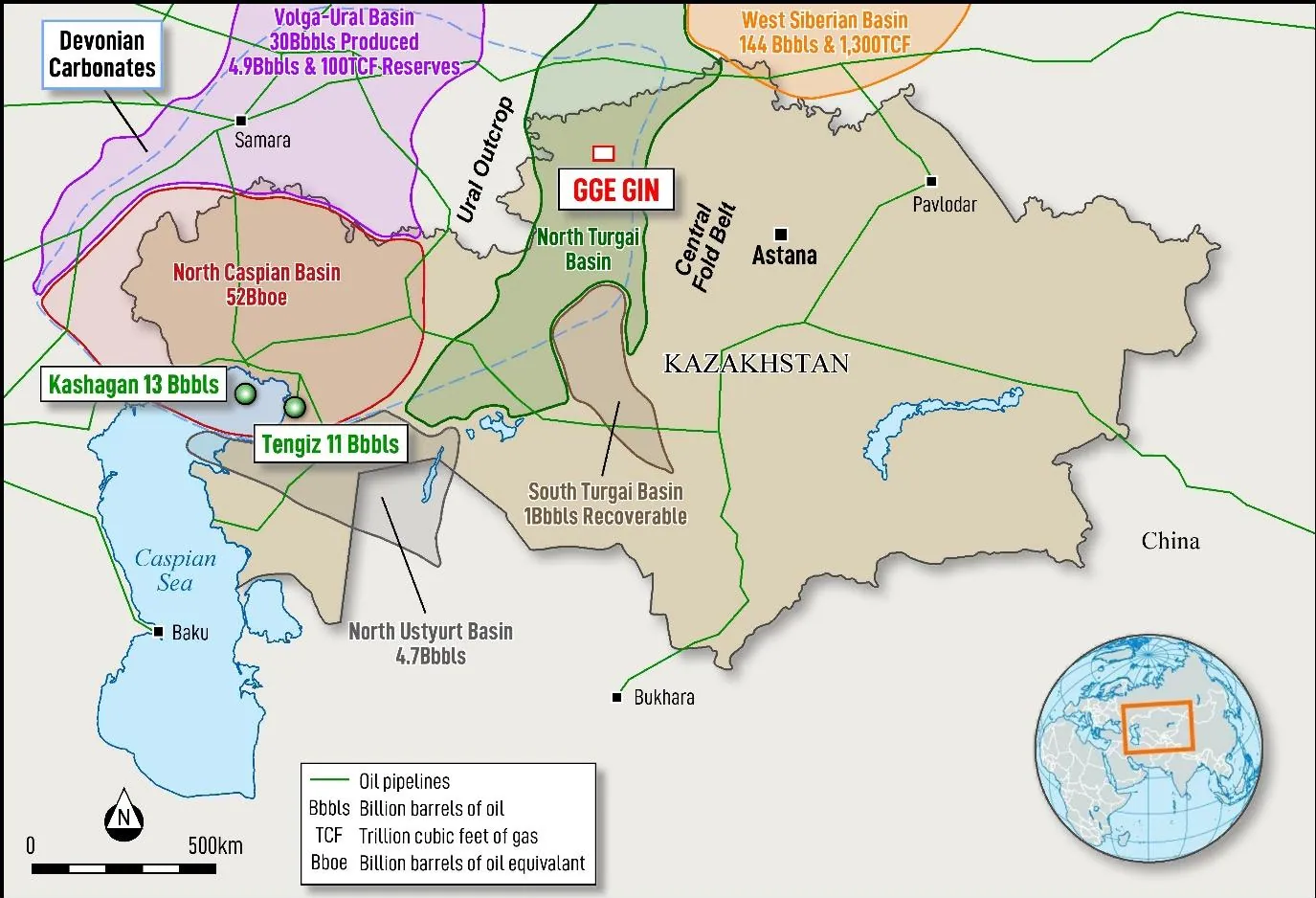
The North Turgai GIN gives Grand Gulf a sizeable platform in a country with established oil infrastructure and prolific neighbouring basins, including Kashagan and Tengiz. Yet the acreage scale and geological analogies should not be mistaken for recoverable reserves: no deeper Devonian target has been tested, and the announcement contains no reserve or resource estimate.
The next meaningful evidence will come from the technical review. Investors will need to see whether the historical seismic can be converted into defined prospects, whether the company can fund and permit any drilling programme, and whether the GIN terms impose obligations that alter the project’s capital demands.
Get ASX:GGE news the moment it breaks
 iPhone & iPad
 Android
Bottom Line?
Grand Gulf has acquired a potentially high-impact exploration canvas, but the thesis now depends on turning historical seismic and regional analogies into drill-ready prospects without stretching its funding capacity.
Questions in the middle?
- What prospect sizes and technical confidence levels will emerge from Grand Gulf’s review of the historical seismic and well data?
- What are the GIN tenure terms, approvals and work obligations attached to the Kazakhstan acreage?
- Can Grand Gulf fund a meaningful North Turgai drilling programme alongside its helium and other exploration interests?
Sources
1-
GGE secures highly prospective O & G acreage in Kazakhstan (opens in a new tab)Official market announcement. Grand Gulf Energy Limited · 16 Nov 2026 · grandgulfenergy.com