WOA opens three new routes to lupin production across Asia

Wide Open Agriculture has signed three additional non-binding framework agreements with prospective contract manufacturers in Vietnam, India and Indonesia, bringing its shortlist to four. The agreements protect WOA’s lupin intellectual property while technical and commercial feasibility work begins, but stop well short of securing production or revenue.
- Three new framework agreements across Vietnam, India and Indonesia
- Four prospective manufacturing partners now under evaluation
- Binding intellectual property and restraint protections extend five years after termination
- No pricing, minimum volumes or definitive manufacturing commitments yet
- VLS exclusivity is conditional on production exceeding 50 tonnes

Three Asian partners join WOA’s manufacturing shortlist
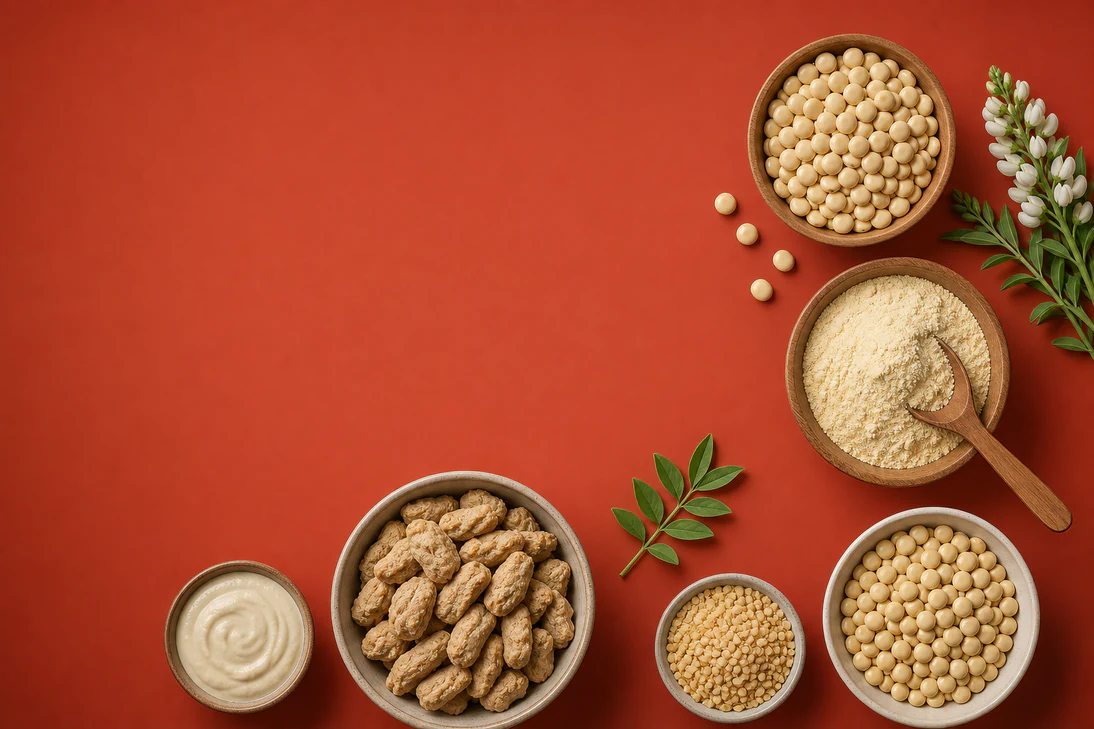
Wide Open Agriculture Ltd (ASX:WOA) has expanded its contract manufacturing shortlist to four candidates, signing agreements with Vietnam LifeScience Company, India’s OMN9 and Indonesia’s Haldin. The move gives WOA multiple routes into production for its lupin-based protein, fibre, oil and other ingredients as it pursues a lower-cost, capital-light model.
The agreements cover prospective manufacturing in three countries: VLS operates a pea protein facility in Vietnam, OMN9 specialises in mung bean protein isolate and starch in India, and Haldin produces natural extracts, powders and functional ingredients in Indonesia. WOA said each candidate has relevant protein, extraction or ingredients capability, although the filing does not identify a preferred partner.
Binding protections, non-binding commercial pathway
The framework agreements are principally a gateway to further diligence, not commercial contracts. WOA retains ownership of its lupin intellectual property, while each manufacturer is restricted from using WOA’s processes, know-how or technical information for itself or another party. Those intellectual property and restraint provisions are binding and enforceable during the agreements and for five years after termination.
Almost everything that would determine the economics remains open. Pricing, invoicing, delivery terms and production arrangements are to be negotiated in future definitive agreements, with the parties to use best endeavours to negotiate within 90 days. That timetable is expressly non-binding, and neither side has a claim if a final agreement is never signed.
VLS offers conditional exclusivity and joint venture discussions
The Vietnam arrangement is the most developed in terms of potential exclusivity. Once VLS completes commercial production of more than 50 tonnes of lupin protein isolate, WOA would use VLS exclusively for its lupin manufacturing requirements for a period ending five years from the agreement date, provided VLS accepts firm purchase orders and meets production targets tied to WOA’s rolling forecasts. If those conditions are not met, WOA’s exclusivity obligations terminate.
WOA and VLS will also explore a possible joint venture for larger-scale production of lupin protein, fibre and oil. OMN9 is likewise expected to discuss a potential Indian joint venture covering lupin protein and co-products. Haldin’s terms are less restrictive for WOA: the Indonesian manufacturer cannot make lupin products for itself or others during the agreement and for five years afterwards, but WOA is not required to use Haldin exclusively or place minimum orders.
Technical trials are the next test
With the protections in place, WOA can share detailed information on process steps, equipment, production parameters and specifications. The next stage is to identify capability gaps, develop ramp-up timelines, assess commercial feasibility and potentially conduct trial production. WOA said it is still discussing terms with other manufacturers and may sign further frameworks before selecting a preferred long-term partner.
That distinction matters. The announcement increases the number of credible pathways under examination, but it does not establish capacity, pricing, customer supply or a financial benefit. The more consequential milestone will be evidence that one candidate can reproduce WOA’s lupin ingredients at commercial scale on terms that justify moving from a protected framework to a definitive agreement.
Bottom Line?
WOA has widened its manufacturing options, but the investment case now turns on technical trials, commercial terms and whether any candidate progresses to a binding production agreement.
Questions in the middle?
- Can any of the four candidates reproduce WOA’s lupin ingredients consistently at commercial scale?
- Will the 50-tonne threshold and production targets make VLS the preferred partner, or limit the value of its conditional exclusivity?
- What prices, minimum volumes and ramp-up commitments will emerge from definitive agreements, if negotiations reach that stage?