Corazon outlines modular processing path for growing Chalice resource

Corazon Mining is evaluating a modular 600,000-tonne-per-year gold plant at Chalice under a build-own-operate model that could limit its upfront processing capital. The non-binding plan targets a BOO proposal by April 2027 and potential commissioning in Q1 2028, while toll treatment remains available as an interim option.
- 600,000tpa modular CIL plant proposed at Chalice
- Expansion potential to 1.8Mtpa in 600,000tpa modules
- MGS to build, own and operate under proposed BOO model
- BOO proposal targeted for April 2027
- MoU remains non-binding and toll treatment is not secured

 Add us as a preferred source on Google
Modular plant offers Corazon a processing route
Corazon Mining Limited (ASX:CZN) has moved to secure a potential processing pathway for its Chalice Gold Project, signing a non-binding memorandum of understanding with Modular Gold Solutions to assess an on-site carbon-in-leach plant. The proposed facility would initially process 600,000 tonnes a year and could be expanded in 600,000-tonne modules to 1.8 million tonnes a year if the resource and mine plan support it.
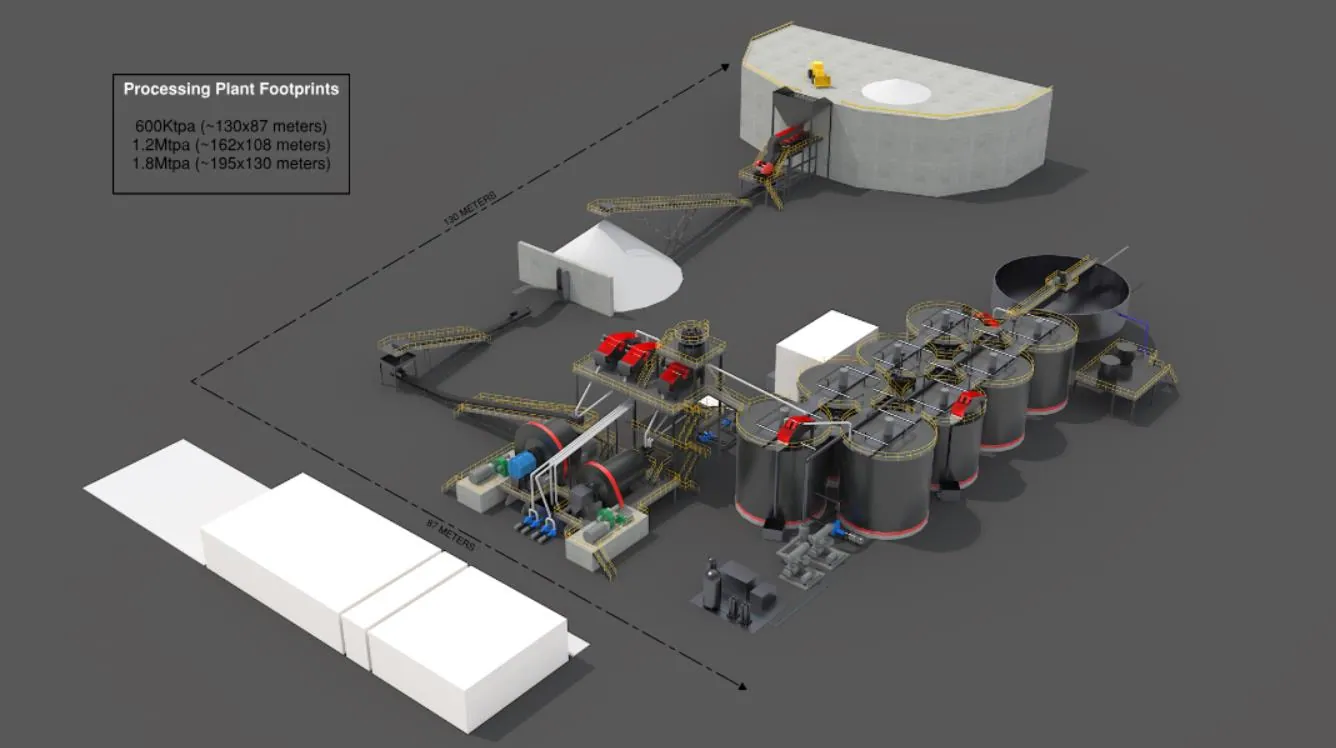
The attraction is less about a production date than who carries the plant bill. Under the proposed build-own-operate structure, MGS would fund, build and operate the facility, while Corazon would pay a mobilisation fee and throughput-based processing rates under a proposed minimum 24-month term. That could reduce Corazon’s upfront capital requirement compared with owning a conventional plant, although the commercial terms have not been agreed.
Chalice resource growth will shape plant economics
Chalice currently hosts a JORC 2012 Mineral Resource of 191,000 ounces at 2.74 grams per tonne, with a historical production record of about 645,000 ounces. The processing evaluation will run alongside resource growth drilling and pre-production studies, including the 450-metre mineralisation extension identified in recent drilling. That earlier campaign reported gold mineralisation in 23 of 29 reverse-circulation holes, but the scale and economic significance of any additional resource remain to be established.
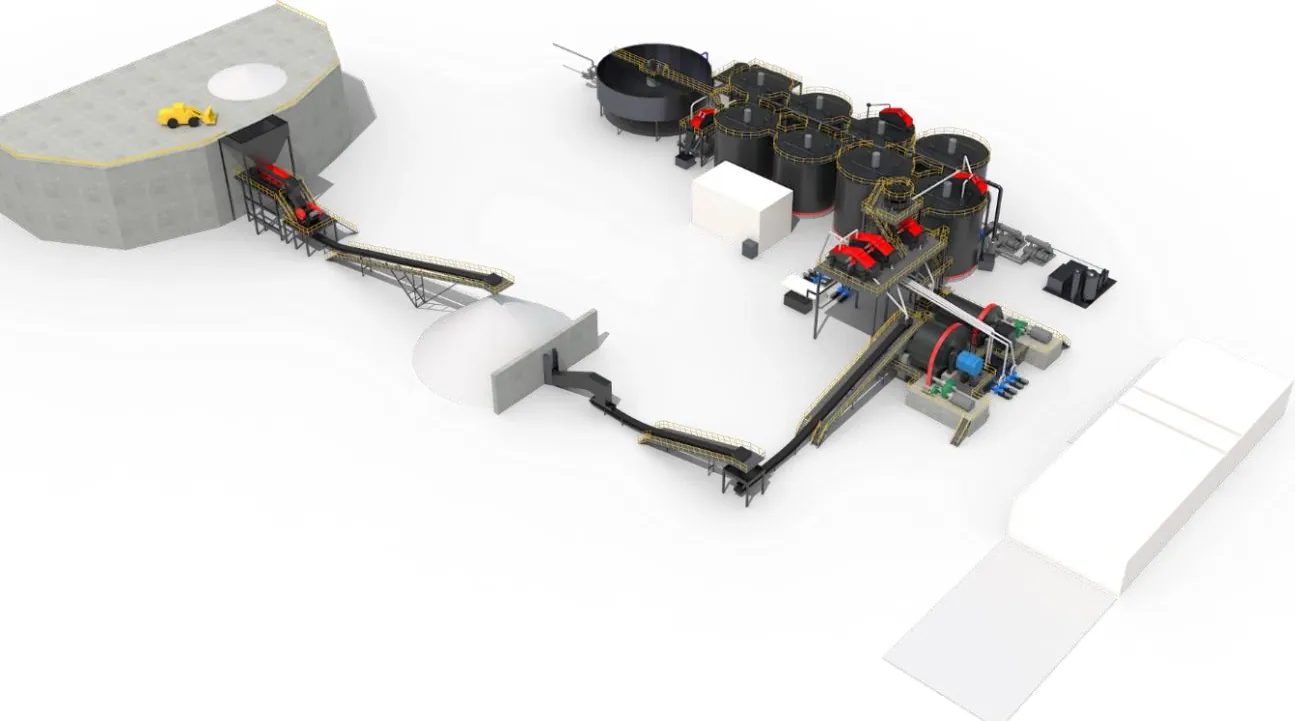
The proposed flowsheet would include crushing, screening, milling, gravity recovery, CIL, thickening and tailings pumping, with a dedicated gold room on site. Historical processing of Chalice ore achieved recoveries in the mid-90% range, but Corazon says new metallurgical test work must confirm recovery, throughput and reagent consumption for the proposed plant. The numbers that eventually matter will be the plant’s actual capital and operating cost ranges, not the indicative capacity alone.
April proposal faces approvals and funding tests
The parties plan to assess the mine plan, metallurgy, plant design, earthworks, tailings, utilities, approvals, financing and commercial arrangements before targeting a BOO proposal in April 2027. The indicative timetable points to preliminary capital and operating cost estimates by the end of March, with potential processing commencement in Q1 2028 if technical and commercial outcomes are satisfactory, funding is secured, approvals are obtained and a binding contract is signed.
That qualification is important. The MoU binds the parties on selected matters including confidentiality, exclusivity and intellectual property, but neither side is obliged to fund the evaluation, deploy the plant or enter a BOO contract. Corazon has also granted MGS exclusivity over competing processing-plant proposals during the evaluation period, although the company can still pursue interim toll treatment, corporate transactions and other project arrangements.
Toll treatment remains the nearer-term fallback
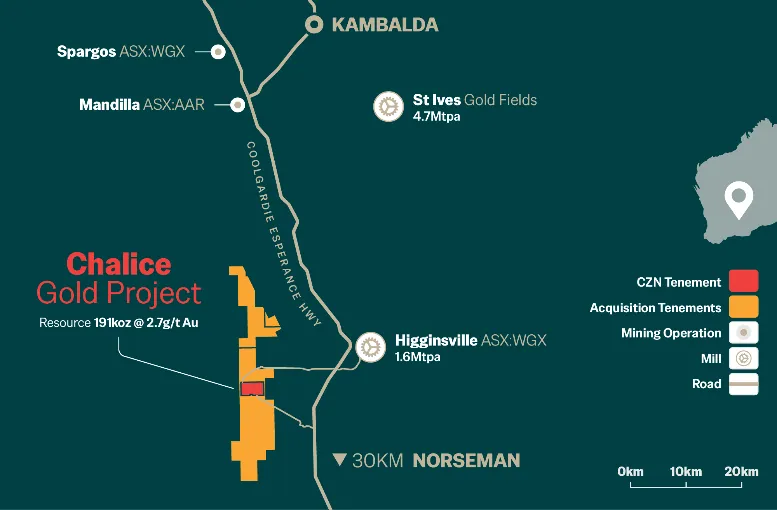
Corazon says Chalice is within about 130 kilometres of seven operating processing facilities, including Westgold’s Higginsville CIL plant roughly 22 kilometres away. That proximity may provide optionality, but the announcement makes clear that Corazon has no current right to use any third-party facility and that toll treatment is not guaranteed on acceptable terms, or at all.
The next meaningful evidence will come from the metallurgical program, the first cost estimates and the April BOO proposal. Until those arrive, the modular plant is a potentially capital-light development framework rather than a committed processing solution, and the gap between a 191,000-ounce resource and a plant capable of treating 600,000 tonnes a year remains a central project question.
Get ASX:CZN news the moment it breaks
 iPhone & iPad
 Android
Bottom Line?
The MoU gives Chalice a more defined development pathway, but metallurgy, funding, approvals and a binding BOO contract must still convert the concept into an operating plan.
Questions in the middle?
- Will metallurgical test work support the proposed CIL flowsheet and its assumed operating performance?
- Can the April 2027 BOO proposal establish processing costs that are competitive with toll treatment?
- Will resource growth and mine planning provide enough ore to justify the initial 600,000tpa module and any expansion?
Sources
1-
Chalice Modular Plant MOU (opens in a new tab)Verified company source. Corazon Mining Limited · 17 Nov 2026 · investors.corazon.com.au